Your Go-To for Complete Home Solutions and Trusted Excellence
Your Go-To for Complete Home Solutions and Trusted Excellence
HVAC

By Ar. Daisy,
August 12, 2026


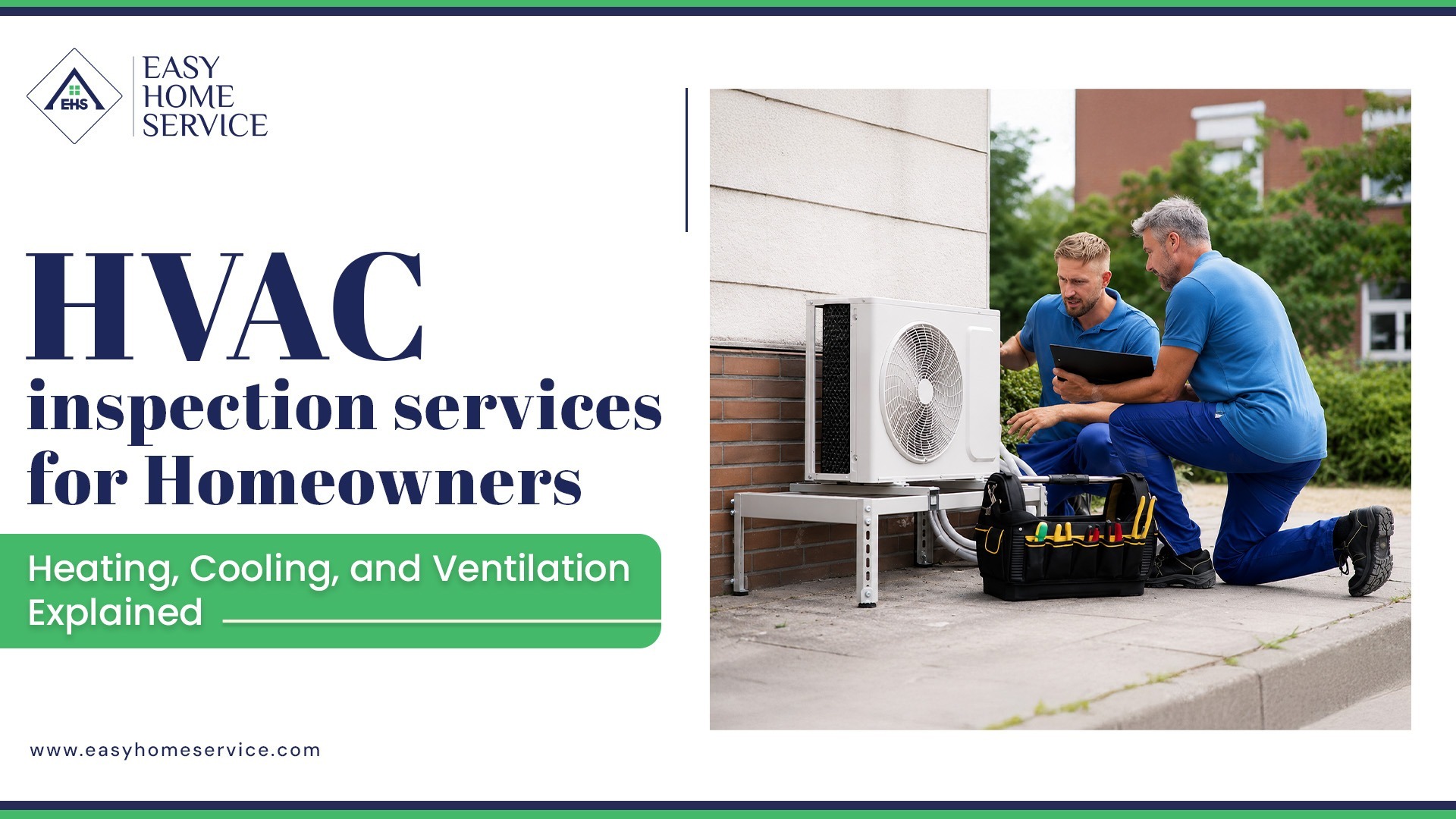
Most homeowners don't think about their HVAC system until something goes wrong. The air conditioner starts blowing warm air in July, or the furnace makes a strange clicking noise the first cold night of the year. By then, you're not just dealing with an inconvenience. You're dealing with a repair bill and a wait for a technician.
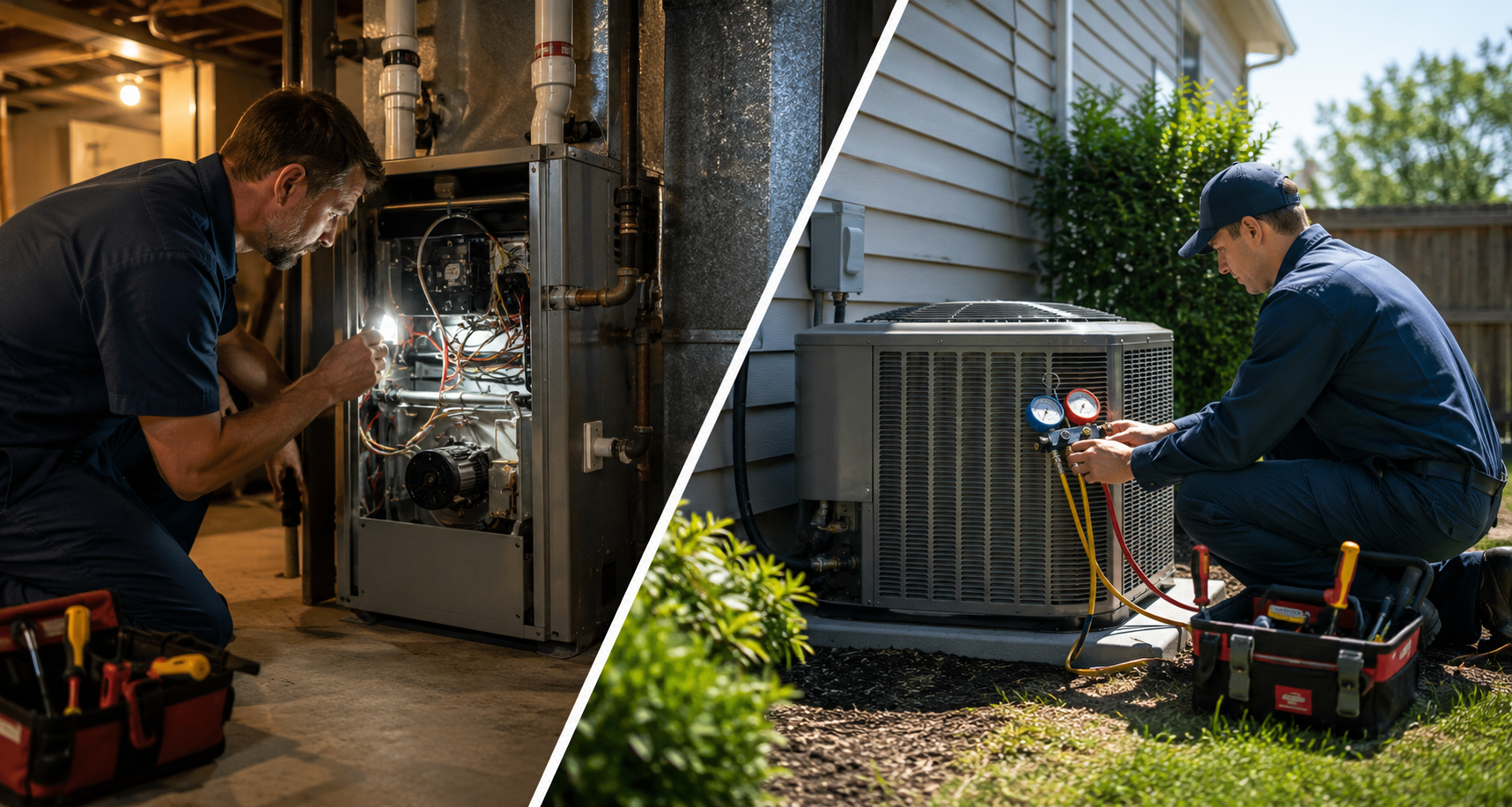
An HVAC inspection is one way to get ahead of those problems. Professional HVAC inspection services involve a planned evaluation of your home's heating, cooling, and ventilation systems to identify potential issues before they develop into costly repairs or a system failure. If you haven't had an inspection before or are unsure what it involves, this guide explains the HVAC inspection process, what it may cost, and when it makes sense to schedule one.
A HVAC inspection is a thorough examination of the heating or ventilation as well as air conditioning equipment as well as its related components. The HVAC inspection process usually involves looking at the equipment, testing its operations, looking for signs of problems, and then evaluating the impact of elements like the airflow or system performance.
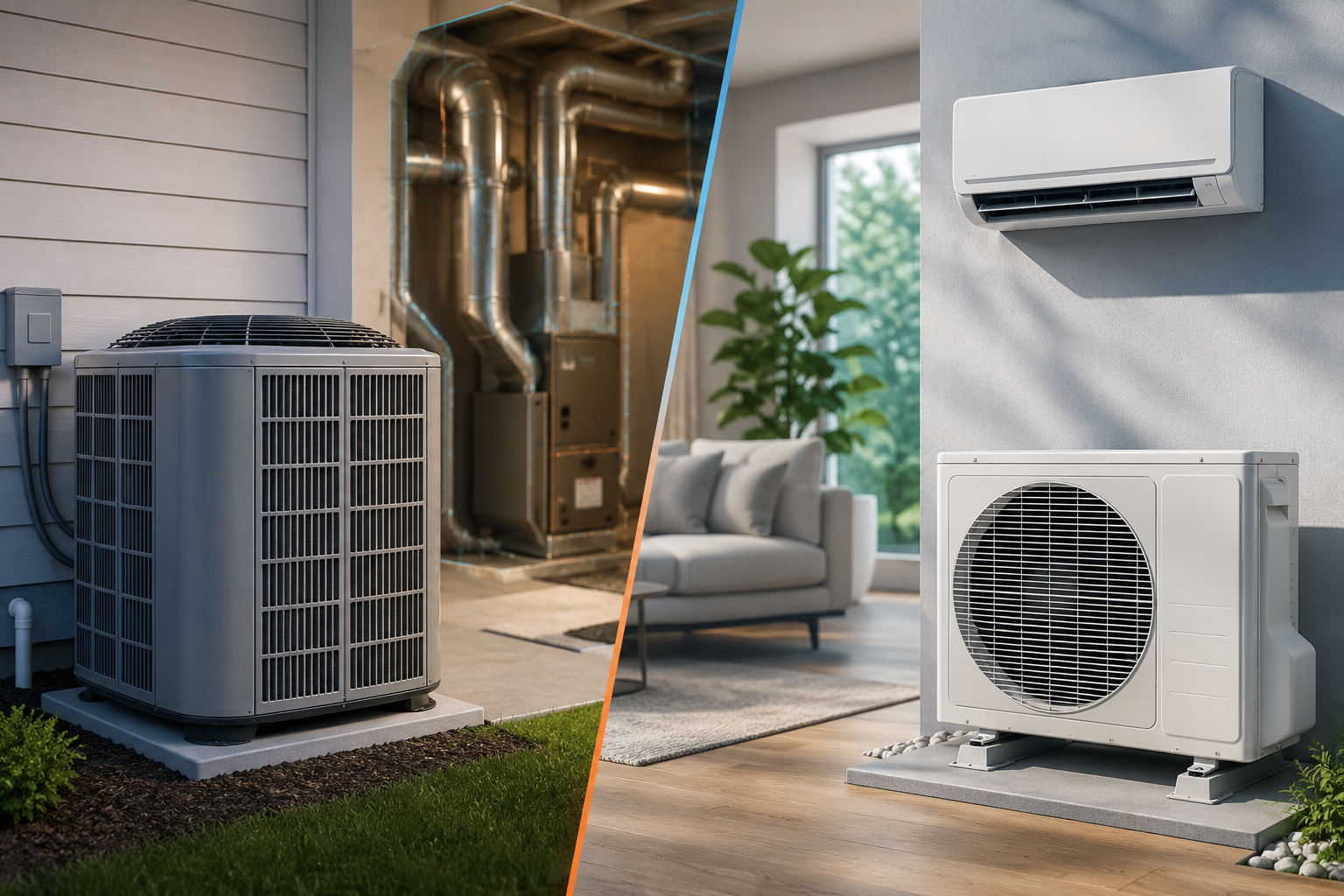
The exact scope depends on the home's HVAC setup. A house with a furnace and central air conditioner will have different inspection considerations than a home using a heat pump, boiler, or multiple HVAC systems.
A typical HVAC system inspection may look at:
Thermostat and system controls
Indoor heating and cooling equipment
Outdoor air conditioning or heat pump equipment
Electrical connections and controls
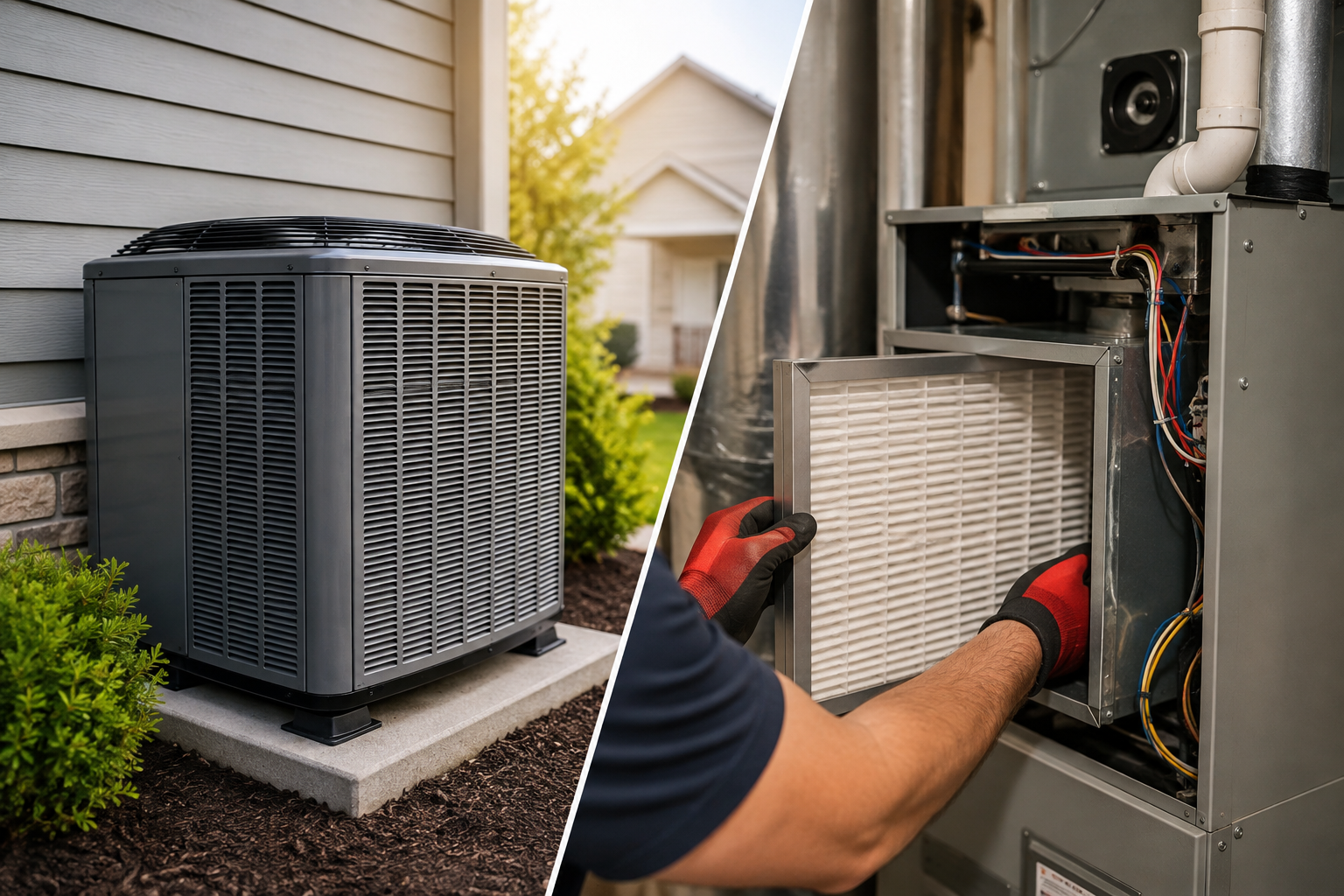
Air filters
Blower operation
Condensate drainage
Refrigerant-related components in applicable systems
Ductwork and visible insulation
Supply and return airflow
System cycling and general operation
Signs of wear, damage, leaks, or unusual operation
A professional evaluation can also help put individual problems into context. For example, weak airflow may be caused by a dirty filter, ductwork issue, blower problem, or another restriction. An inspection helps narrow down where the concern may be coming from.
It is also useful to understand that inspection and maintenance are not exactly the same thing. An inspection focuses on evaluating condition and operation, while maintenance involves tasks intended to keep equipment operating properly, such as cleaning, adjusting, lubricating, or replacing certain components.
ENERGY STAR suggests seasonal inspections for heating and cooling and offers a maintenance checklist that includes controls, electrical connections, condensate drains, coils, refrigerant levels, blower parts, and heating elements.
A single visit touches more parts of your home than most homeowners realize. Here's what a routine inspection actually gives you back.
The heating portion of an HVAC inspection Services depends on the type of heating system installed in the home. Furnaces, boilers, and heat pumps have different components and operating methods, so the inspection should account for the equipment actually serving the home.
A furnace inspection can involve examining the equipment's condition and operation, along with relevant controls and components.
For fuel-burning furnaces, the evaluation may include areas such as:
Burner operation
Heat exchanger condition
Gas or oil connections, where applicable
Electrical components
Blower operation
Thermostat controls
Venting components
Air filter condition
Airflow through the system
ENERGY STAR notes that maintenance checks for fuel-burning heating equipment can include gas or oil connections, gas pressure, burner combustion, and the heat exchanger.
For homeowners, the important question is not simply whether the furnace turns on. A system can produce heat while still having underlying performance or condition concerns.
Boilers need to be assessed in a different manner than forced-air furnaces because they transfer heat via hot water or steam instead of circulating warm air through ducts.
A heat pump also requires a different approach because it can provide both heating and cooling. The equipment's operating condition, controls, airflow, and other applicable components need to be considered according to the system design.
Heat pumps, boilers, and furnaces are common home heating technologies, according to the U.S. Department of Energy.
An air conditioning inspection focuses on the cooling system and the components responsible for removing heat from the home.
A typical AC inspection checklist may include:
Thermostat operation
Outdoor condenser condition
Indoor evaporator coil
Condenser coil
Refrigerant-related components
Electrical connections and controls
Condensate drain
Blower operation
Air filter
Supply and return airflow
System cycling
Signs of water leakage
Unusual sounds or odors
The goal is not simply to determine whether cold air comes from the vents. An air conditioner that is running may still have airflow restrictions, drainage problems, dirty coils, electrical concerns, or other issues affecting performance.
For instance, if some areas of the house are comfortable while others stay warm, the issue might relate to airflow or distribution instead of the cooling system.
ENERGY STAR emphasises the importance of coil condition, refrigerant levels, condensate drainage, blower parts, and airflow in the maintenance of cooling systems.
Before an inspection, homeowners can note changes they have already experienced.
Has the system started running longer? Are some rooms warmer than others? Is airflow weaker than it used to be? Are there unusual sounds or water around the indoor unit?
These observations give a professional useful information about when and how the problem occurs.
Ventilation is often overlooked when homeowners think about HVAC. Heating and cooling equipment controls temperature, but ventilation concerns how air moves through and out of the home and how outdoor air is introduced.
A HVAC ventilation inspection may consider:
Air movement through the home
Supply and return airflow
Exhaust fans
Outdoor-air connections where present
Visible ventilation ducts
Moisture-related concerns
Areas with poor air circulation
Conditions that may contribute to stuffiness or lingering odors
Ventilation is important because many traditional residential heating and cooling systems fail to mechanically introduce outdoor air into the house. The EPA states that sufficient ventilation aids in reducing indoor pollutants and eliminating indoor air contaminants, while also highlighting that most residential forced-air heating and cooling systems do not deliver outdoor air mechanically.
That means an HVAC inspection should not stop at the furnace or air conditioner. The way air moves through the home can also affect comfort and indoor conditions, which is why HVAC inspection services may also evaluate ventilation, airflow, and other components that influence how effectively conditioned air circulates throughout the home.
For homeowners interested in how dedicated systems can bring outdoor air into a home, see our guide to whole-house ventilation installation.
If your heating, cooling, or ventilation system is showing signs of a problem, connecting with a local HVAC professional can help you understand what may need attention before the issue gets worse.
This is really the whole point of getting one done regularly. An inspection is designed to surface HVAC problems while they're still cheap to fix. Some of the most common findings include:
Refrigerant leaks that reduce cooling capacity and, over time, damage the compressor.
HVAC airflow problems caused by blocked vents, undersized ductwork or a failing blower motor.
Ductwork problems, including leaks, disconnected joints and crushed sections that waste conditioned air before it ever reaches a room.
Heating problems like cracked heat exchangers, weak ignition, or a thermostat that's reading temperatures incorrectly.
Cooling problems such as frozen coils, failing capacitors, or a condenser that's overdue for cleaning.
Ventilation problems, including poor air circulation, humidity imbalances and inadequate fresh-air exchange.
Ductwork issues in particular tend to go unnoticed for years because they don't cause an obvious failure. They just quietly reduce efficiency and comfort. If you're noticing higher bills without a clear cause, it's worth reading through the signs of HVAC ductwork problems to see if any of them match what you're experiencing.
What your system needs checked and how often it needs checking depends a lot on where you live. Climate puts different kinds of stress on heating, cooling and ventilation equipment, so inspection priorities shift by region.
Northeast (New York, Pennsylvania, Massachusetts): Long, cold winters put heavy demand on furnaces and heat pumps. Heating inspections before the cold season are the priority here, with particular attention to heat exchanger safety and ignition reliability.
Midwest (Ohio, Michigan, Illinois): Homes in this region deal with both cold winters and humid summers, which means both heating and cooling systems need regular attention. In cities like Columbus, seasonal temperature swings make twice-yearly inspections especially worthwhile. You can see how this plays out locally in this breakdown of heating and cooling considerations.
South (Texas, Florida, Georgia): Air conditioning runs for most of the year, so cooling system wear happens faster. Refrigerant checks, condenser cleaning and ventilation for humidity control tend to matter more here than heating checks.
West (California, Arizona, Colorado): Dry heat, wildfire smoke and dramatic day-to-night temperature swings all affect this region differently. Ventilation and indoor air quality checks are often just as important as the mechanical inspection itself.
Wherever you live, the underlying idea stays the same. Your climate determines which part of your system wears out fastest. That should shape how often you get it inspected.
Prices really come down to three things: what kind of system you have, how big your home is and where you live. That said, most homeowners land somewhere between $150 and $500 for a full inspection. A lot of them end up closer to $250 or $300. If you only need one piece looked at, say the furnace or just the AC unit, that usually costs less than having the whole system checked top to bottom.
A few things push that number around. Boilers tend to take longer to inspect than a standard furnace or AC, so expect to pay a bit more there. Where your equipment sits matters too. A unit tucked in an attic or crawl space eats up more of the technician's time than one sitting in an easy-to-reach utility closet. Timing plays a role as well, since spring and fall are the busiest seasons for HVAC companies and prices can creep up when everyone's booking at once. And of course, a basic visual walkthrough costs less than an inspection that includes actual diagnostic testing and a report you can keep.
None of this comes close to what you'd pay if a problem sat unnoticed for a year. It's nothing compared to replacing the whole system outright either. Plenty of homeowners find that the inspection basically pays for itself the moment it catches something small before it turns into a weekend emergency call.
Not all technicians handle an inspection in the same manner. Before you hire someone, it's advisable to ask a few questions beforehand instead of discovering mid-visit that you're just getting a brief glance at the thermostat.
Begin by inquiring specifically about what is included. Certain visits address heating, cooling, and ventilation as a unified inspection. Some simply describe it as someone looking at the furnace and declaring it finished. You prefer the first type.
It is beneficial to inquire whether you will receive anything in writing later. A technician providing you with real measurements and some observations on their findings offers you a basis to refer to later, especially if you have to evaluate estimates for a repair. "Everything seemed okay" offers little value six months later.
It's important to note older systems as well. Many technicians excel with the latest smart-thermostat installations but are not as experienced with a furnace that has been operational for two decades, so if your system is aging, mention it right away. Truthfully, much of it hinges on the way they communicate with you. The effective ones describe what they observe in simple language and are honest about what requires immediate focus compared to what can be postponed for a season.
If you're weighing a few options in the same area, it can help to see how other homeowners have compared local providers. This rundown of choosing an HVAC contractor walks through the same kind of questions worth asking, regardless of which state you're in.
Finding someone to inspect your system shouldn't take longer than the inspection itself. Easy Home Service connects homeowners with local HVAC professionals who handle heating, cooling and ventilation checks, so you're not stuck searching through unfamiliar company names or guessing who actually covers your area. You describe what's going on with your system and get matched with someone equipped to look into it.
Don't wait for a heating or cooling problem to become a system breakdown. Easy Home Service helps homeowners connect with local HVAC professionals who can evaluate their home's heating, cooling, ventilation, and related HVAC needs.
A home's comfort depends on three systems working together: heating, cooling and ventilation. It only takes one of them slipping out of shape to throw the whole thing off. Regular HVAC inspection services is the simplest way to stay ahead of that, catching wear and small failures long before they turn into a breakdown or a bigger bill. Whether your system is new or has been running for over a decade, having someone take an honest look at it once or twice a year is one of the more straightforward ways to protect both your comfort and your budget. If it's been a while since anyone checked yours, Easy Home Service can help you find a professional who will.
Frequently Asked Questions
Find Top Rated Service Providers
We help you find top service providers and compare quotes.





Leave a Comment: