Your Go-To for Complete Home Solutions and Trusted Excellence
Your Go-To for Complete Home Solutions and Trusted Excellence
HVAC

By Ar. Daisy,
August 13, 2026


If your heating and cooling system has been acting up lately, you have probably typed some version of "how long does an HVAC system last" into Google, hoping for a straight answer instead of a sales pitch. Here it is. The average lifespan of a domestic HVAC system is between 10 and 25 years. If you are aware of your system's age, repair history, and a few warning indicators, you can typically determine whether a repair or replacement is necessary in a matter of minutes.
At that point, the bigger question is whether to keep repairing the existing system or consider HVAC replacement. This guide explains the typical HVAC system lifespan, the warning signs that deserve attention, and the key factors to consider when deciding between HVAC repair and replacement. If you're unsure what your home needs, Easy Home Service can help you connect with local HVAC professionals who can evaluate your options.
The kind of equipment, installation quality, maintenance history, operating circumstances, and system usage all affect how long an HVAC system lasts. A useful service life for typical residential HVAC systems can be between 10 and 25 years, tho specific components may need to be replaced sooner or last longer.
|
System Type |
Typical Lifespan |
Common Failure Points |
|
Central Air Conditioner |
10–15 years |
Compressor wear, refrigerant leaks, corroded coils |
|
Gas Furnace |
15–20 years |
Cracked heat exchanger, ignitor failure, worn blower motor |
|
Electric Furnace |
20–30 years |
Heating element wear, electrical component failure |
|
Heat Pump |
10–15 years |
Compressor strain from year-round use, outdoor unit corrosion |
|
Ductless Mini-Split |
15–20 years |
Refrigerant line issues, filter neglect |
|
Boiler |
15–20 years |
Corrosion, pressure valve failure, mineral buildup |
|
Ductwork |
20–25 years |
Leaks, disconnected joints, insulation breakdown |
These ranges are general guidelines, not expiration dates. Proper maintenance can extend an HVAC system’s lifespan, while poor installation, restricted airflow, neglected maintenance, or frequent repairs can shorten it.
Age alone should not determine whether to repair or replace a system. A well-maintained 12-year-old AC needing minor repairs may be worth keeping, while an older system with frequent breakdowns, poor performance, or rising repair costs may be better replaced.
The expected HVAC system lifespan is not determined by age alone. Two similar systems installed in homes at the same time can have very different service lives depending on how they were installed, maintained, operated, and repaired. Understanding these factors can help homeowners protect their equipment and recognize when declining performance may require professional attention.
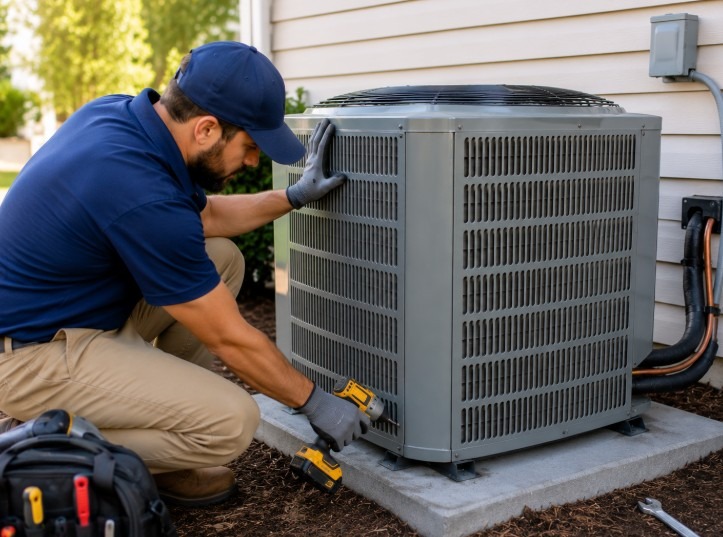
Long-term HVAC performance is based on proper HVAC installation. Equipment may work harder than necessary due to installation problems, bad electrical connections, limited airflow, or an inappropriately sized system. An expert assessment can assist in determining whether a persistent issue is connected to the equipment or the way the system functions in the house.
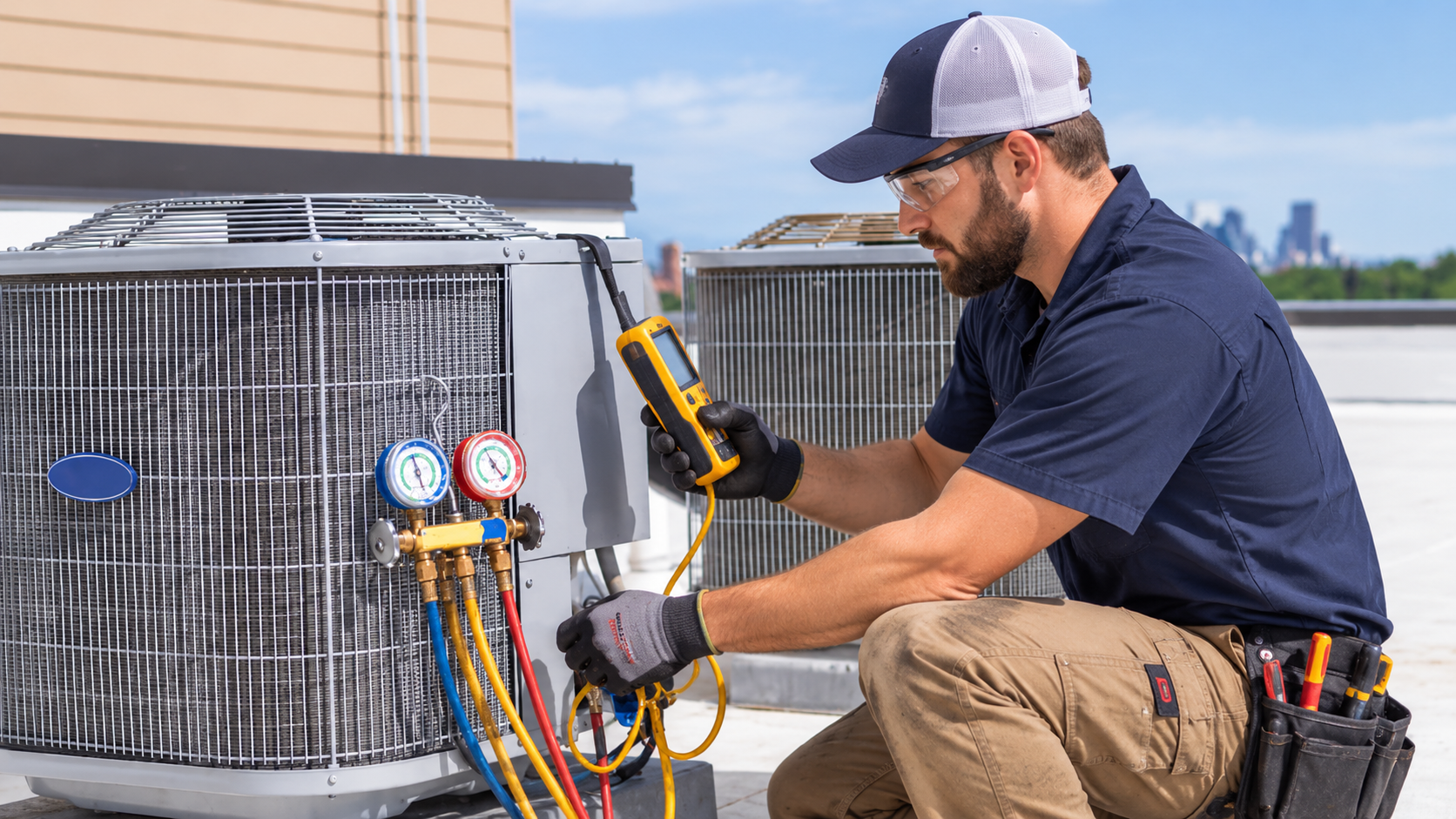
Regular maintenance is a great way to identify worn parts, airflow restriction as well as poor electrical performance, dirty coils and other problems before they escalate into more extensive repairs. Cleaning or replacing filters as suggested and getting the system checked by a professional will also ensure efficient operation.
The home's heating and cooling needs must be met by the HVAC system. While an undersized system may run for long periods of time in an attempt to reach the appropriate temperature, a huge system may cycle on and off too frequently. Both circumstances may have an impact on comfort and put more strain on the equipment.
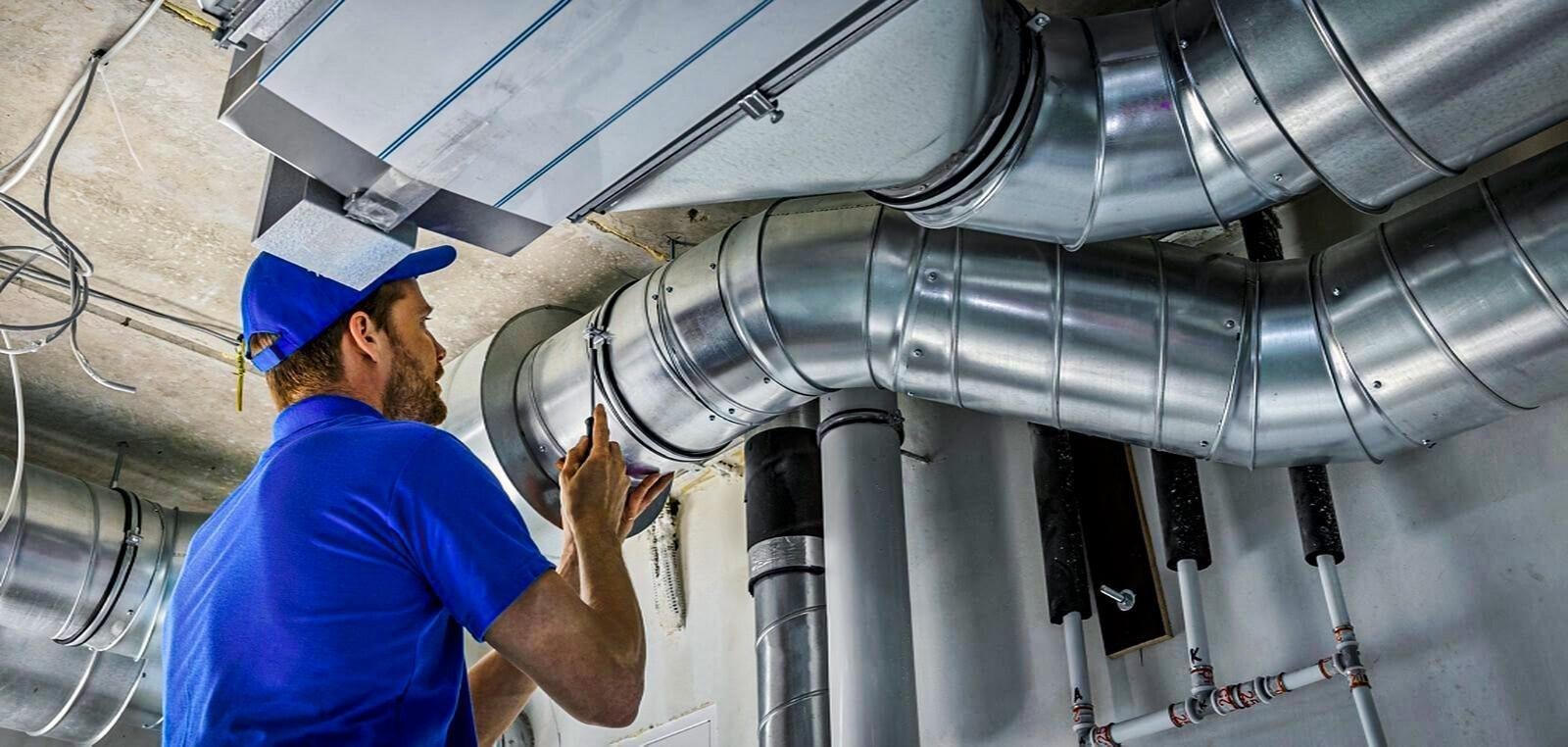
Your HVAC equipment is just one element of the cooling and heating system. Inefficiently insulated, leaky damaged, obstructed, or damaged ductwork may hinder airflow and make equipment more difficult to distribute the conditioned air. If certain rooms are too cold or hot while the HVAC system is running it could be due to the ductwork or airflow, rather than the actual equipment.
Long-term, year-round operation of HVAC systems typically results in greater wear than less frequent use. When an air conditioner or heating system must run constantly to maintain indoor comfort, extreme external temperatures can significantly raise demand.
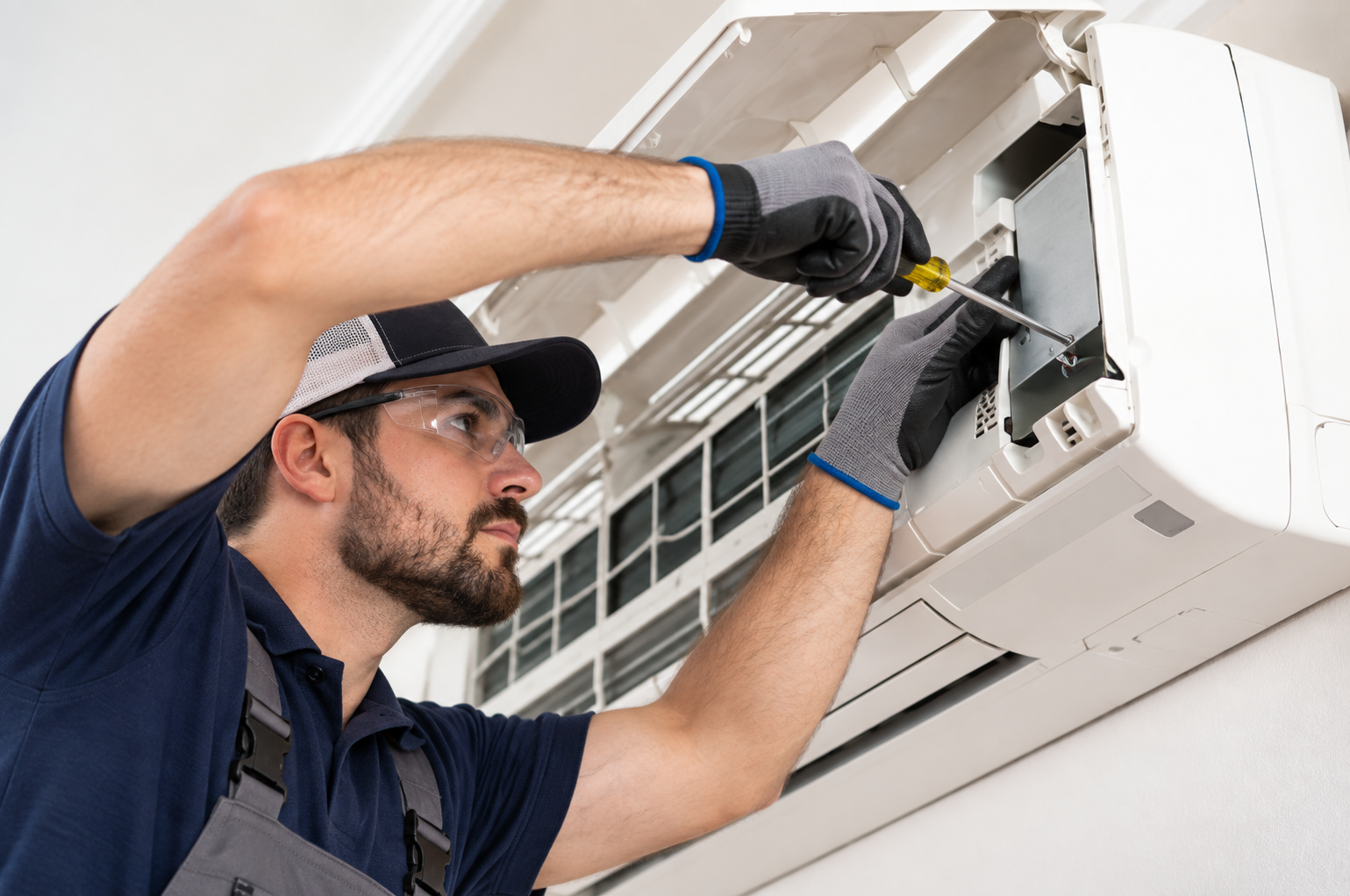
One repair may not necessarily indicate that an HVAC system is at it's end lifespan. But an ongoing pattern of malfunctions may suggest that the system is deteriorating in reliability. Monitoring the history of repairs will help homeowners as well as HVAC experts determine if it is worth continuing to repair the system. is sensible.
Dust, dirt, humidity, outside exposure, and other environmental factors can all degrade HVAC performance over time. Keeping outdoor equipment clear, keeping proper ventilation, and addressing indoor comfort or air-quality issues can all help to prevent unnecessary system strain.
Small HVAC problems can sometimes become more expensive when they are ignored. Weak airflow, unusual noises, frequent cycling, inconsistent temperatures, or unexplained increases in energy use are worth investigating rather than waiting for a complete system breakdown.
Ultimately, HVAC lifespan depends on both the equipment and the conditions in which it operates. That is why the age of a system should be considered alongside its repair history, efficiency, comfort performance, and overall condition when deciding whether to repair or replace it.
Whether your HVAC system needs a repair, maintenance, or professional evaluation, connecting with the right local professional can help you determine the best next step for your home.
HVAC problems often show warning signs before a complete breakdown. Recognizing changes in comfort, airflow, noise, and system performance can help homeowners address issues early and determine whether HVAC repair may be enough.
Rooms heat or cool unevenly. If your house is not able to attain the thermostat settings it could be due to the thermostat, equipment refrigerant, airflow or ductwork.
Airflow is weak: A lack of airflow in vents can result from a blocked filter, damaged or blocked air ducts, blower malfunctions or another obstruction.
Frequent cycling: An HVAC system that continuously turns on and off may be suffering from the thermostat, airflow or equipment issues which require attention from a professional.
Strange sounds: Grumbling, buzzing, rattling or squealing could indicate damaged or loose parts. The presence of a strange sound doesn't necessarily mean that replacement is required.
Uneven temperatures: Cold and hot rooms could be caused by HVAC problems however, airflow, insulation, ductwork or sizing also need to be taken into consideration.
Costs for energy are rising: Increasing heating or cooling expenses can be due to a variety of reasons, such as insulation, weather leakage from ducts setting thermostats, and a decline in HVAC efficiency.
Regular repairs: The occasional maintenance is normal, however regular breakdowns may suggest that a system is becoming less reliable.
Unusual performance in extreme weather: If your system is running for long durations but is unable to maintain pleasant temperatures, the root cause must be investigated prior to deciding whether replacement is required.
Repair does not automatically mean replacement. A newer or well-maintained system with an isolated problem may still have plenty of useful life. However, when problems become frequent or occur alongside an aging system, comparing repair costs with replacement options becomes more important.
There is no universal age that means every HVAC system needs replacement. Instead, consider the equipment's age, condition, repair history, efficiency, comfort performance, and future needs together.
It is near or beyond its expected lifespan: Age becomes more significant when combined with declining performance or recurring problems.
Repairs are becoming frequent: Multiple service calls or repeated component failures can make continued repairs less practical for older equipment.
A major component has failed: Before approving a costly repair, compare the repair expense with the system's remaining useful life and overall condition.
Energy costs keep increasing: An aging system may contribute to higher operating costs, although duct leakage, insulation, thermostat settings, and other factors should also be checked.
Your home remains uncomfortable: Persistent hot or cold rooms, long cycles, or difficulty maintaining the desired temperature may indicate that the system no longer meets your home's needs.
Breakdowns happen during extreme weather: If an older system has already shown reliability problems, planning replacement before an emergency can give you more time to compare options.
Replacement could solve ongoing problems: A new HVAC system may address persistent efficiency, reliability, comfort, or equipment limitations that repeated repairs cannot resolve.
The overall repair history no longer makes sense: Consider how much you've spent recently, how often the system breaks down, whether it still performs reliably, and whether another repair is likely to provide meaningful additional service life.
The right decision is not simply repair vs. replacement based on age. A professional evaluation can help determine whether your home's next step is HVAC repair, maintenance, or replacement.
An older HVAC system may not always need to be replaced, and a newer system should not be subjected to costly repairs without first evaluating the broader picture. The best option is made by considering age, condition, repair history, performance, efficiency, and the home's heating and cooling requirements.
Speaking with a local HVAC specialist can help you assess the system's condition and weigh your options if you're not sure if your HVAC system needs another repair or might need to be replaced.
When you are staring down a repair estimate, run it through these three questions.
How old is the system? Under 10 years, repair is usually the right call unless the damage is severe. Over 15 years, replacement often makes more financial sense even for a moderate repair. In between, the next two questions matter more than age alone.
How does the repair cost compare to replacement cost? The classic guideline is the 50 percent rule: if a single repair costs more than half of what a full replacement would cost, replacement is usually the smarter move. This rule works well for systems already past the midpoint of their expected life, but it can be misleading for younger systems. A $2,000 compressor repair on a 5-year-old unit might technically clear 40 percent of replacement cost, yet the repaired system could easily run another 10 years. For a detailed cost breakdown by system type, see our guide on HVAC replacement costs.
Is this a pattern or a one-off? One repair in five years is normal wear. Two or more repairs in the past year, especially on major components like the compressor or heat exchanger, is a sign the system is entering decline.
If your answers point toward replacement, get a professional assessment before committing to anything. A technician should be able to confirm whether the problem is the unit, the ductwork, or both, since that changes the entire scope and cost of the fix. That kind of thorough, honest assessment, not a rushed five-minute diagnosis, is exactly what Easy Home Service connects homeowners with experienced HVAC professionals to provide.
|
Your Situation |
What to Consider |
|
Newer system + isolated problem |
Repair may make sense |
|
Older system + minor repair |
Compare repair and replacement |
|
Older system + frequent repairs |
Consider replacement options |
|
Major component failure + aging equipment |
Compare total repair and replacement value |
|
Good comfort + reliable operation |
Continue maintenance and monitor condition |
|
Recurring breakdowns + poor comfort |
A replacement evaluation may be worthwhile |
What will give your home reliable heating and cooling for the years ahead?
Looking at equipment age, repair history, current performance, energy use, ductwork, airflow, and the condition of major components together provides a more useful basis for deciding between HVAC repair and replacement.
If you're weighing another repair against HVAC replacement, Easy Home Service can help you connect with local HVAC professionals who can evaluate your home's heating and cooling needs and help you understand the options available.
Replacing an aging system is not only about avoiding a breakdown. Newer equipment is meaningfully more efficient.
|
Equipment Type |
Typical Older System |
Modern Replacement |
Efficiency Gain |
|
Central air conditioner |
10 SEER or lower |
16 to 20+ SEER |
Up to 40 percent less electricity used |
|
Gas furnace |
80 percent AFUE |
95 to 98 percent AFUE |
15 to 18 percent less gas used |
|
Heat pump |
8 HSPF |
10 to 13 HSPF |
25 to 40 percent more efficient heating |
Homeowners upgrading from a system that is 15 to 20 years old commonly see a 20 to 40 percent drop in heating and cooling costs. On a $200 monthly energy bill, that works out to roughly $480 to $960 saved per year, which adds up considerably over the life of a new system.
Before replacing an aging HVAC system, it is worth making sure the equipment itself is actually the source of the problem. A home that feels too hot, too cold, humid, or uncomfortable does not always need a new furnace, air conditioner, or heat pump. Problems elsewhere in the home's heating and cooling system can create similar symptoms.
Leaks, loose connections, damaged ducts, or inadequate duct insulation can prevent conditioned air from reaching living spaces efficiently. Your HVAC system may continue running while rooms remain uncomfortable.
Restricted airflow can result from clogged filters, blocked vents, dirty components, or duct restrictions. When air cannot move properly through the system, heating and cooling performance can suffer.
A neglected air filter can restrict airflow and reduce system performance. Depending on the equipment and home conditions, filters may need to be checked or replaced regularly.
A faulty thermostat or incorrect settings can cause temperature inconsistencies, unnecessary cycling, or a system that runs longer than expected. The HVAC equipment may be functioning properly while the control system is creating the problem.
Poor or insufficient insulation can allow conditioned air to escape or outdoor temperatures to affect indoor comfort. If certain rooms consistently feel hotter or colder, the problem may involve the home's envelope rather than the HVAC equipment alone.
A home can also feel uncomfortable when ventilation is inadequate. Poor ventilation may contribute to stuffiness, moisture concerns, and inconsistent indoor conditions, making it important to consider the home's overall air movement rather than focusing only on the heating or cooling unit.
An HVAC system that is too large or too small for the home may struggle to provide consistent comfort. An oversized system can cycle too frequently, while an undersized system may run for extended periods trying to reach the desired temperature.
Whether you're dealing with an aging air conditioner, a furnace that needs attention, weak airflow, uneven temperatures, or a system that may be ready for replacement, you can start by telling us what you need. We help connect you with professionals who provide residential HVAC services, including repairs, maintenance, installations, ductwork services, ventilation, heat pumps, boilers, and indoor air quality solutions.
1. Tell us what your home needs
Provide basic information about your location and the HVAC service you're looking for.
2. Get connected with local professionals
Easy Home Service helps connect you with HVAC professionals who can address your specific heating, cooling, or airflow needs.
3. Discuss the right next step
The professional can evaluate the situation and help you understand whether repair, maintenance, ductwork work, replacement, or another HVAC solution is appropriate.
The goal is not to assume that every older HVAC system needs to be replaced. It is to help you take the right next step based on your home's actual heating and cooling needs.
If you're trying to decide whether your HVAC system needs another repair or may be approaching replacement, connect with local HVAC professionals through Easy Home Service and get started on evaluating your options.
Knowing how long an HVAC system lasts can help you plan for future heating and cooling needs, but age alone should not determine whether you repair or replace your equipment. A system that is well maintained and performing reliably may continue providing comfort for years, while an older system with frequent breakdowns, rising operating costs, poor airflow, or ongoing comfort problems may be worth evaluating for replacement.
Before making a decision, consider the system's age, repair history, current performance, energy use, ductwork, airflow, and overall condition. In some cases, a targeted repair or maintenance service may be all your home needs. In others, replacing an aging system may provide a more practical long-term solution.
If you're not sure which option makes sense for your home, Easy Home Service helps homeowners connect with local HVAC professionals who can evaluate their heating and cooling needs and help them understand whether repair, maintenance, or replacement is the appropriate next step. Ready to evaluate your HVAC options? Connect with local HVAC professionals through Easy Home Service.
Don't wait for a small HVAC problem to become a costly breakdown. Connect with local HVAC professionals who can assess your system, identify the issue, and help you decide whether repair or replacement is the right choice.
Find Top Rated Service Providers
We help you find top service providers and compare quotes.








Leave a Comment: