Your Go-To for Complete Home Solutions and Trusted Excellence
Your Go-To for Complete Home Solutions and Trusted Excellence
HVAC

By Ar. Daisy,
May 12, 2026


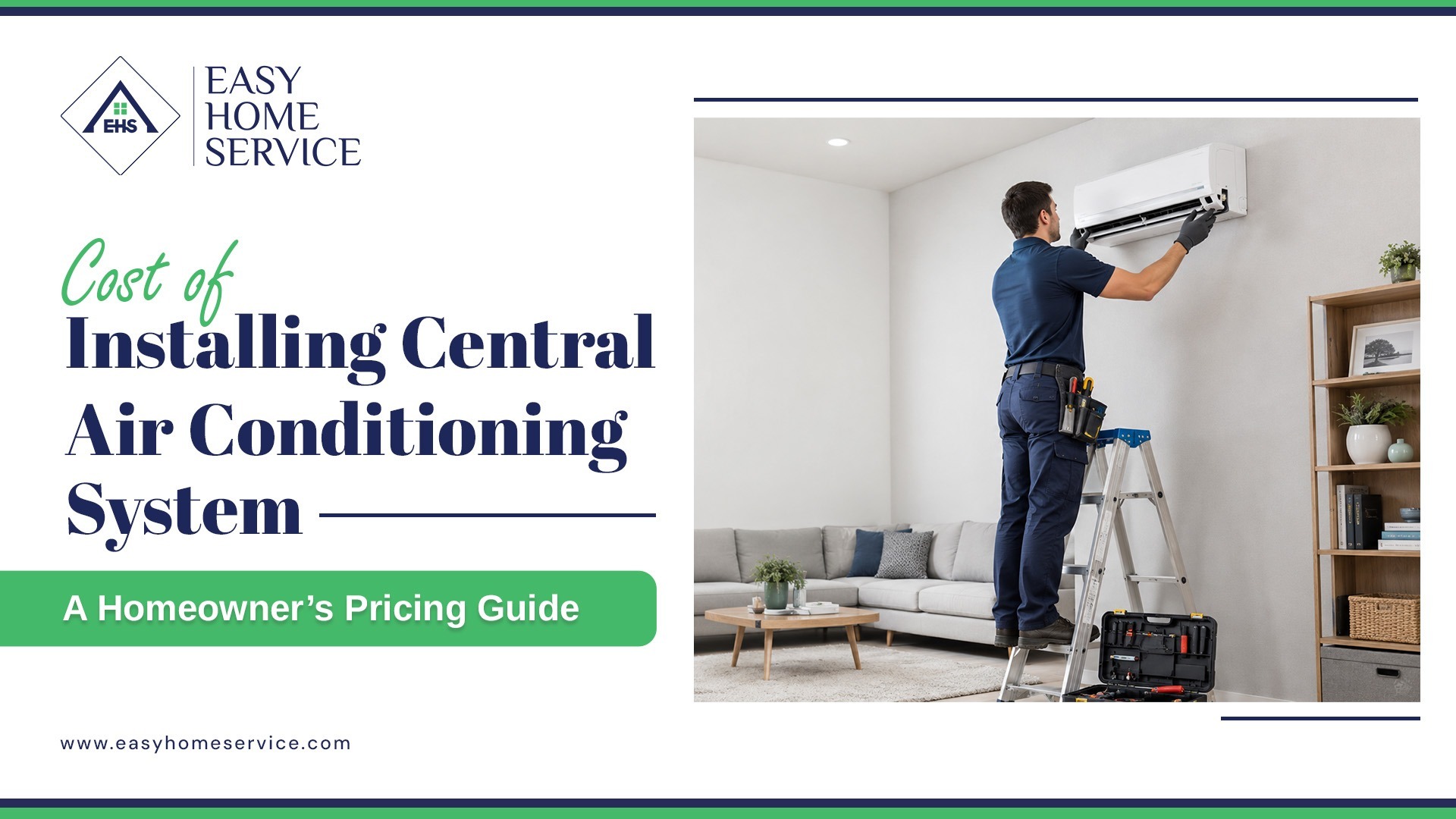
If you are planning to upgrade your home's comfort this year, you are at the right place. Understanding the cost of installing central air conditioning system options is one of the most important first steps. Whether you are replacing an old HVAC unit, installing cooling in a newly purchased home or finally adding AC to an older property, installation costs can vary dramatically. It usually depends on home size, system type, ductwork, labor, energy efficiency ratings and even your state.
This guide will provide everything you need to know about the cost to install central AC. Know about brand prices and understand other hidden installation costs that might come up. If you have any questions regarding central AC system installation, this guide will give you all the answers and tips you will need before spending hundreds of dollars on your new AC system.
Easy Home Service helps homeowners connect with trusted HVAC professionals for inspections, installations, repairs and replacement services across the United States.
Whereas ductless mini-splits and portable air conditioners are becoming increasingly popular, centralized air conditioning continues to be the top choice for homeowners who prefer whole-house comfort. According to the U.S. Energy Information Administration (EIA), nearly 90% of US homes use some form of air conditioning, with central AC being the dominant system in newer and larger homes.
There is no surprise here: central ACs deliver uniform cooling, increase airflow, reduce humidity levels and provide better integration with heating systems. In warm and humid states like Texas, Florida, Georgia, or Arizona, central AC is now considered a necessity rather than a luxury. It is considered important for indoor comfort and safety.
Modern systems are also far more energy-efficient than older units installed 10–20 years ago. Upgrading from old models, homeowners can expect to enjoy greater benefits. They experience improved indoor air quality, quiet system operation, decreased energy bills and more consistent temperatures throughout the house.
Many homeowners researching the cost of installing a central air conditioning system assume the quote only includes the outdoor unit. In reality, a proper installation project comprises several interrelated components and affects the overall cost.
A professional installation generally includes:
If you have good ductwork installed in your house, the installation process will be cheaper. However, homes without ducts or homes with damaged airflow systems may require significant additional work.
Poorly designed or leaking duct systems can reduce HVAC efficiency by up to 30%, which is why duct inspection matters during installation.
The average cost of installing a central air conditioning system in the United States typically falls within the range of $5,500 to $14,500, while some luxury units for large houses can exceed $20,000.
According to:
Most homeowners spend approximately $7,500 to $12,000 for a full HVAC cooling system replacement or first-time installation.
|
Home Size |
Average Installed Cost |
|
1,000–1,200 sq ft |
$5,500 – $8,000 |
|
1,500 sq ft |
$6,500 – $10,500 |
|
2,000 sq ft |
$8,000 – $14,000 |
|
2,500+ sq ft |
$10,000 – $18,000+ |
These estimates include labor, equipment and standard installation materials.
However, the cost for central ac installation increases significantly if:
One of the most searched HVAC questions online is: How much does it cost to put central AC in a 2000 sq ft house?
For the majority of American houses that measure 2,000 square feet, the cost of a professionally installed system ranges between $8,000 and $14,000.
Several factors determine where your project falls within that range. Homes in hot Southern states often require larger systems with higher BTU capacity and stronger humidity control. Meanwhile, homes in northern states may require less cooling power but could need duct upgrades in older buildings.
The state of your attic insulation, window panes, and ventilation system will influence how much cooling you need. Insufficient attic insulation in your house will mean having a larger and more costly installation. This helps to maintain indoor comfort during summer.
Do You Know?
Modern ENERGY STAR-certified central air systems can reduce cooling energy consumption by up to 20–40% compared to systems installed before 2006, according to the U.S. Department of Energy.
That means replacing an older HVAC unit may not only improve comfort but also lower long-term electricity costs significantly.
The following factors affect the cost of installing central air conditioning system. Let's explore them one by one:
The larger the home, the larger the system required. Larger homes require larger central AC installations. Professional HVAC technicians determine cooling requirements through a Manual J calculation based on the following factors:
Over-sized units might overcool before dehumidifying adequately, whereas under-sized units face challenges throughout hot spells.
Ductwork is one of the highest hidden costs in HVAC installation projects. Homes without ducts may require extensive construction work, which may generally increase the total price.
According to Smart Climate Solution: adding new ductwork can increase installation costs by several thousand dollars, depending on home layout and accessibility. It may require proper budgeting and planning.
Leaky ducts can also waste cooled air and raise energy bills. This is why experienced HVAC contractors often recommend sealing or replacing damaged duct systems during installation.
Energy efficiency plays a major role in pricing. Energy efficiency is a significant consideration when determining the cost of installing central air conditioning system. The new federal laws will use the SEER2 rating for cooling efficiency.
High-efficiency systems are costly upfront but could result in lower long-term costs. This is because in warm climates, AC units operate for longer hours.
Brand selection also impacts the final cost of installing central air conditioning system options. Lets explore the brand-wise cost of installing central ac system.
|
HVAC Brand |
Installed Price Range |
|
Carrier |
$7,000 – $15,000 |
|
Trane |
$8,000 – $16,000 |
|
Lennox |
$7,500 – $15,500 |
|
Goodman |
$5,500 – $10,000 |
|
Rheem |
$6,000 – $12,000 |
Premium brands usually offer:
The installation of an HVAC system in an older home, especially in the Northeast and Midwest areas, requires a lot of attention. Many were built before central air became common and may lack:
According to the HVAC Bee Older Home Installation Guide: Retrofitting older homes can increase project costs substantially. However, homeowners usually gain major benefits, including:
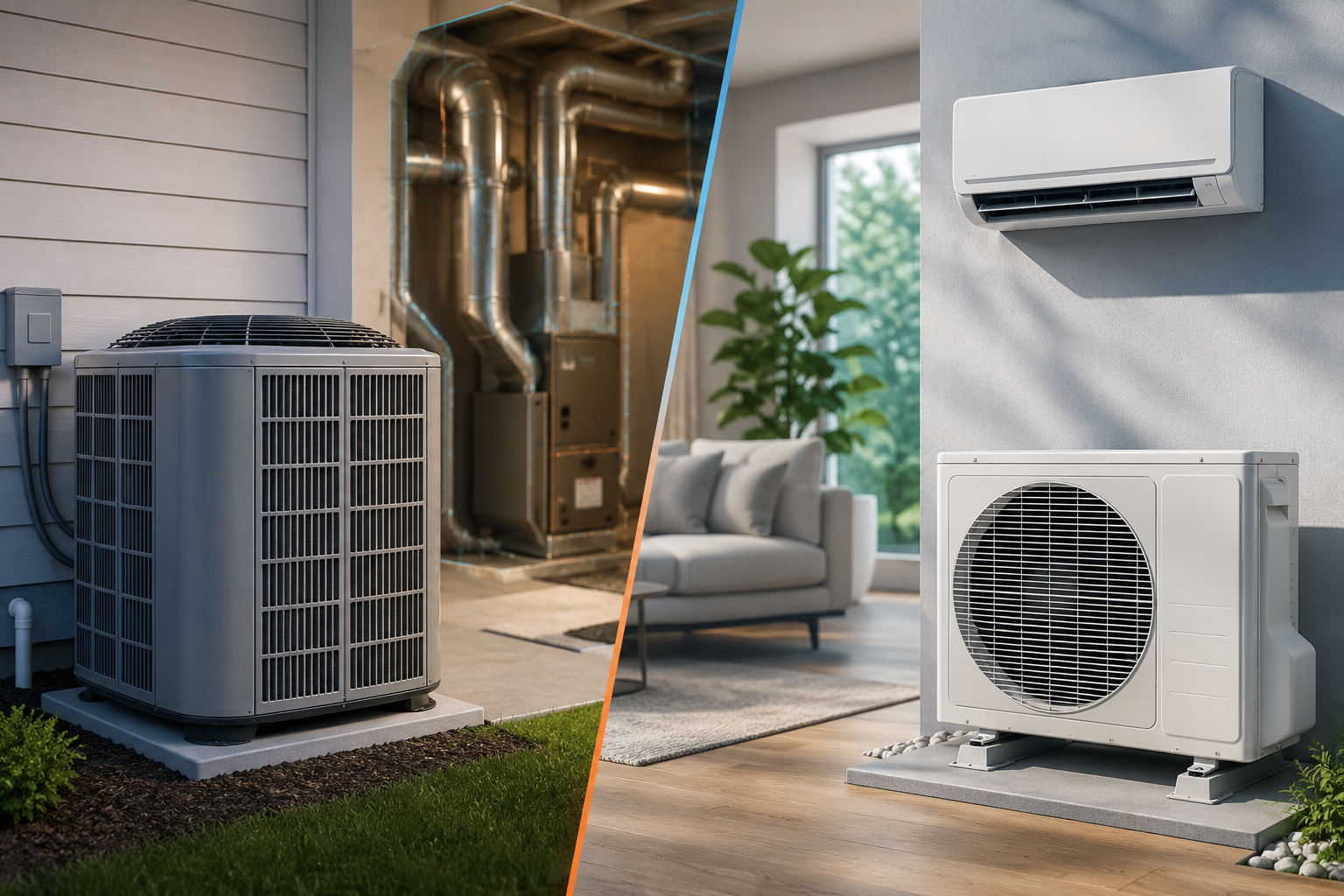
Many homeowners now compare central AC systems with ductless mini-splits.
Central air is often better for:
Mini-splits may work better for:
While mini-splits may cost less in certain homes, central air often delivers stronger resale appeal and a more seamless whole-home experience.
One of the biggest mistakes homeowners make is budgeting only for the HVAC equipment itself. There may be additional expenses that one can plan for. These may include:
Always ask contractors for a detailed written estimate of the average cost of installing central air. It may have all labor, materials, warranty coverage and additional fees.
In all across the United States, more homeowners are replacing their central air conditioning units earlier than they expected. Although older HVAC units used to last for 15-20 years, today's requirements for cooling put a lot more pressure on cooling systems. The longer summers, rising temperatures, and increased use of indoor cooling have led to several systems aging more quickly than in the past.
In the summer central AC systems are often in operation all day long to provide indoor comfort. As time passes, this constant load puts strain on blower motors, compressors, and evaporator coils as well as refrigerant systems. Homeowners often notice uneven cooling, rising electric bills in addition to weak airflow and high humidity in the indoor space until their HVAC systems totally stops working.
Another important factor that affects cooling efficiency is inadequate insulation in the home and leaky ductwork.A lot of homes lose cool air through damaged ducts, attic heat loss or poorly sealed windows and doors.Air conditioners are forced to work harder and use more energy to maintain the same indoor temperatures.
Due to these concerns due to these issues, a lot of HVAC professionals are now suggesting a review of older systems prior to when emergency breakdowns happen. Removing an older AC in the early stages can help homeowners avoid costly repairs in the event of an emergency, boost efficiency and energy efficiency, while also providing more comfort indoors during severe weather conditions.
Modern high-efficiency central air systems have significant improvements over older models. Modern ENERGY-STAR-certified systems offer greater comfort, quieter operation, improved humidity control, improved airflow, smart thermostat compatibility, and significantly less energy use. For a lot of homeowners, updating their heating and cooling system is not just about cooling, it's about saving money on utility bills as well as improving indoor air quality and boosting the value of your home for the long term.
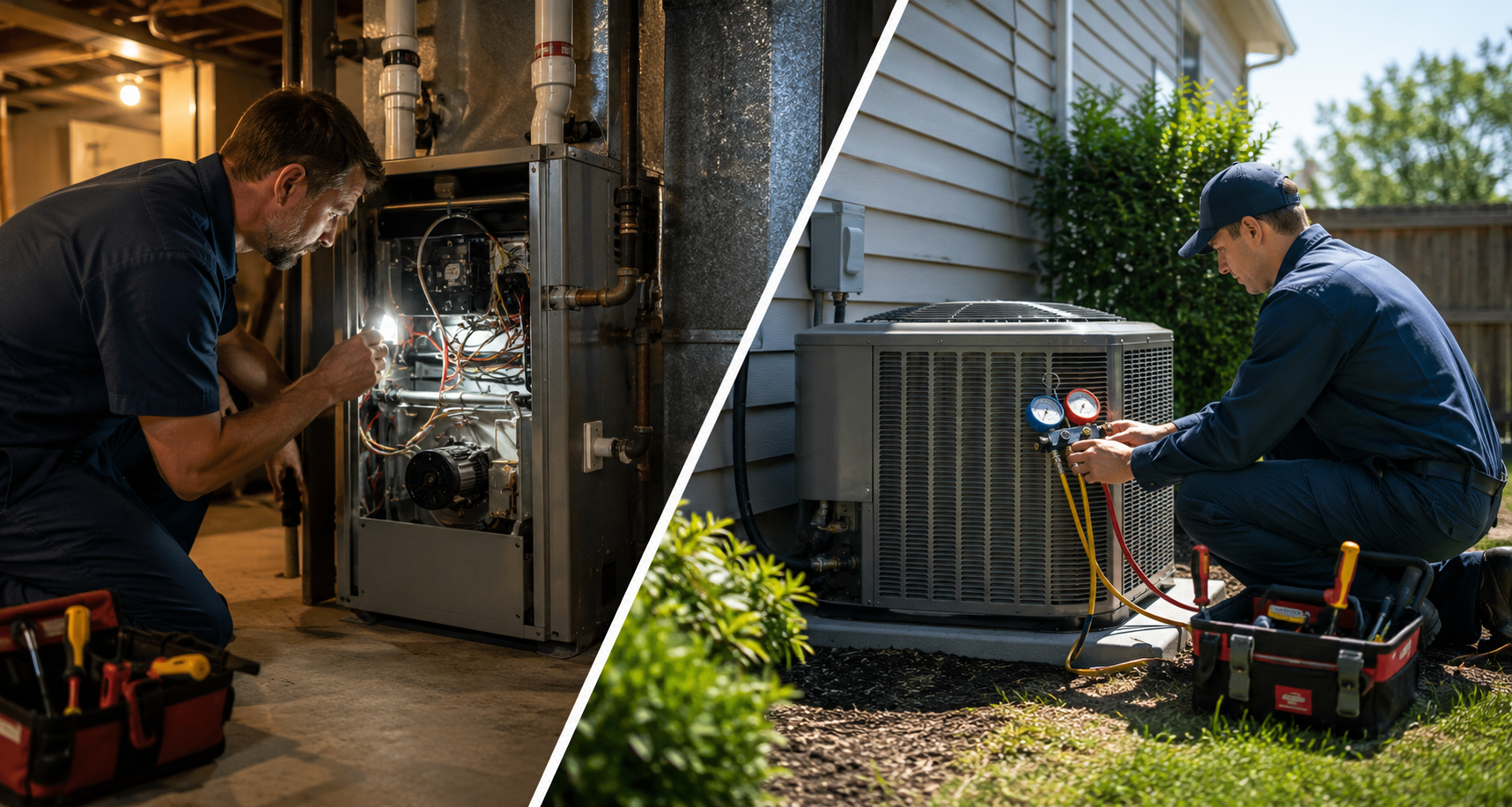
When installing the new central cooling system HVAC specialists often find other issues that affect the performance of the cooling system and also energy efficiency. A lot of homeowners believe that the outdoor condenser unit is their only issue, but inspections often reveal hidden issues with ventilation and airflow throughout the home.
Some of the most common issues found during HVAC inspections include:
✔ Leaking or poorly sealed ductwork
✔ Dirty evaporator coils restricting airflow
✔ Oversized or undersized AC systems
✔ Inadequate attic insulation
✔ Blocked return vents
✔ Refrigerant leaks
✔ Aging thermostats with inaccurate readings
✔ Weak airflow in certain rooms
✔ Electrical system limitations
✔ Poor attic ventilation
Addressing these issues during installation can improve the effectiveness and longevity of the HVAC system. homes with a an airflow that is balanced and properly closed ducts usually are more efficient in cooling and consume less energy during summer.
Many homeowners are reluctant to replace their old HVAC units due to the initial installation price. However, old air conditioners typically consume significantly more energy than modern high-efficiency units.
Central AC units that were installed prior to modern efficiency standards usually require more power to keep indoor temperatures stable. As the system ages, internal components are less efficient and result in longer cooling cycles as well as increased consumption of energy.
Air conditioning units of today are engineered to improve the cooling efficiency while also cutting down on monthly energy costs. Features like variable speed compressors as well as advanced humidity control smart thermostats, and enhanced refrigerant technology allow for the temperature of your home more comfortable.
Homeowners who upgrade to newer systems often notice:
✔ Lower monthly energy bills
✔ More consistent cooling
✔ Better indoor air quality
✔ Reduced indoor humidity
✔ Quieter HVAC operation
✔ Fewer repair issues
If you live in warmer climates upgrading to a high-efficiency central air conditioner can dramatically cut down on cooling costs over the long term.
Most HVAC systems show warning signs before complete failure occurs. Recognizing these symptoms early helps homeowners avoid unexpected breakdowns and expensive emergency repairs.
Common signs that may indicate your home needs a new central AC system include:
✔ Rising monthly energy bills
✔ Uneven cooling between rooms
✔ Weak airflow from vents
✔ Frequent HVAC repairs
✔ Strange noises during operation
✔ Excess indoor humidity
✔ AC system older than 12–15 years
✔ Constant system cycling
✔ Warm air coming from vents
✔ Refrigerant leaks
If several of these problems occur together, replacing the system may be more cost-effective than continuing repairs on aging equipment.
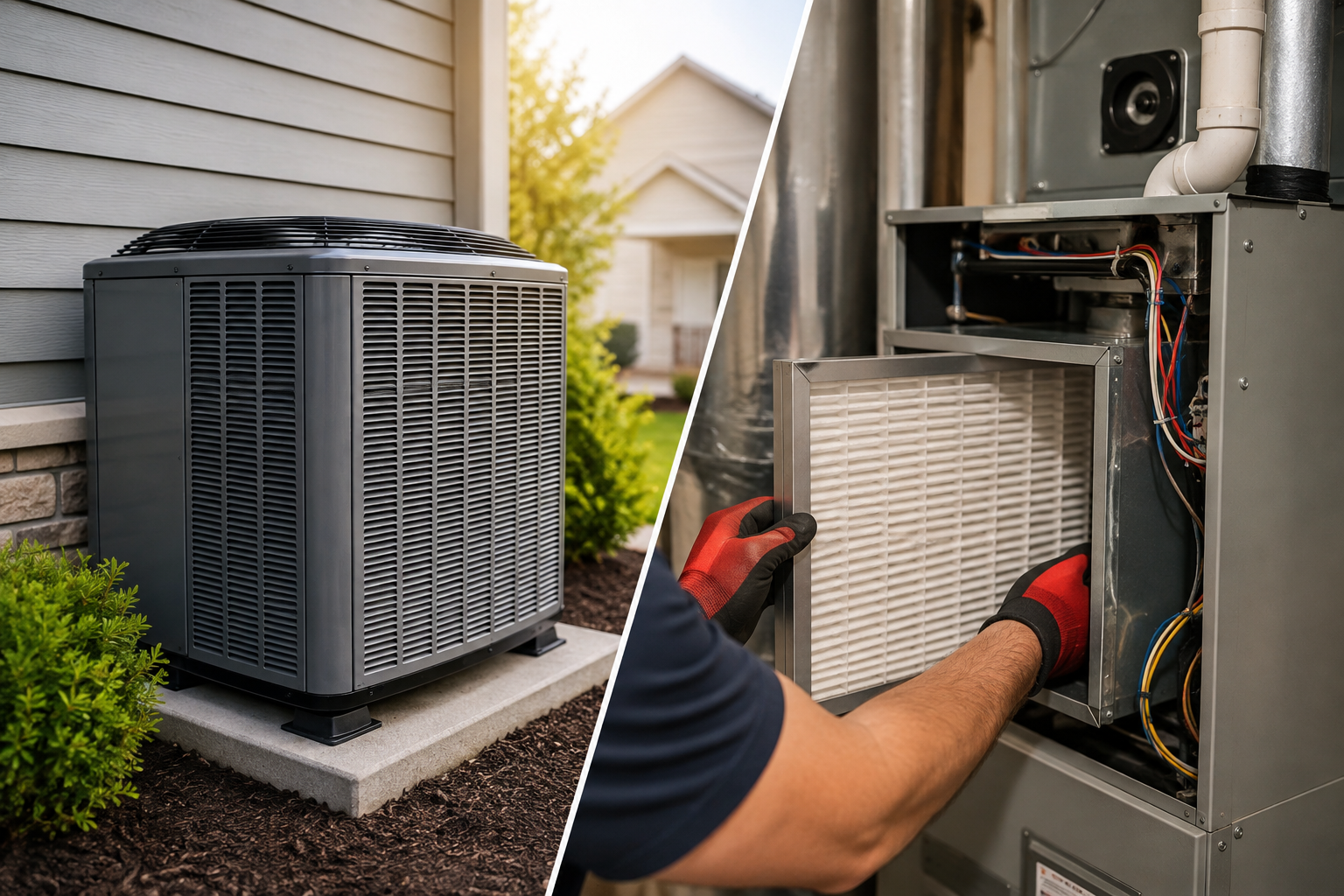
The best air conditioning units aren't always effective if it's installed improperly. >Professional HVAC installation requires more than just changing the outdoor units. data-id="5">Expert technicians evaluate the requirements for airflow, HVAC ductwork installation, refrigerant levels, charging, and thermostat calibration prior to finishing the installation.
A wrong system sizing choice is among the most frequently made HVAC errors made during installation. Larger units could cause rooms to cool too quickly, without adequately removing humidity, and undersized units struggle to keep comfortable temperatures during summer heat.
Professional installation also assures:
Refrigerant levels that are appropriate, balanced airflow throughout the house, safe connection to electrical wires, correct thermostat configuration, efficient duct system performance warranty in compliance
An appropriately installed HVAC system will typically last longer it, is more efficient, and requires less maintenance over the long term in comparison to poorly installed HVAC systems that are poorly installed.
At Easy Home Service, we help homeowners connect with trusted HVAC technicians. You can simply fill in a service request, and we will get you matched with the expert service providers. It is a hassle-free and seamless process. Trust our network for professionals for:
Whether you are upgrading an aging system or installing AC for the first time, our network helps simplify the process so you can compare trusted service providers confidently.
Waiting until peak summer often means longer wait times and higher emergency pricing. If your current system struggles during hot weather, now is the ideal time to explore professional installation options through Easy Home Service.
Most homeowners want to know “how much to install central air conditioning system”. The spend is between $5,500 and $14,500, depending on home size, ductwork, system efficiency and the labor costs.
Yes. Most homes can install centralized air conditioning, although older homes may require ductwork and electrical upgrades. So, homeowners can plan and budget accordingly.
The cost for central ac installation is more upfront than window units but is usually more efficient and effective for cooling entire homes.
The average cost of installing central air conditioning system ranges between $8,000 and $14,000.
Most homeowners spend approximately $5,500 to $8,500, relying majorly on efficiency and ductwork conditions.
Mini-splits may cost less in homes without ductwork, while central air is often better for larger homes with existing ducts.
Most systems last between 12 and 20 years with proper servicing and maintenance.
If the furnace is older or incompatible, replacing both together often improves efficiency and reduces future labor costs.
HVAC contractors determine proper sizing using Manual J load calculations based on home size, insulation and climate conditions.
Find Top Rated Service Providers
We help you find top service providers and compare quotes.





Leave a Comment: