Your Go-To for Complete Home Solutions and Trusted Excellence
Your Go-To for Complete Home Solutions and Trusted Excellence
HVAC

By Ar. Daisy,
October 05, 2026


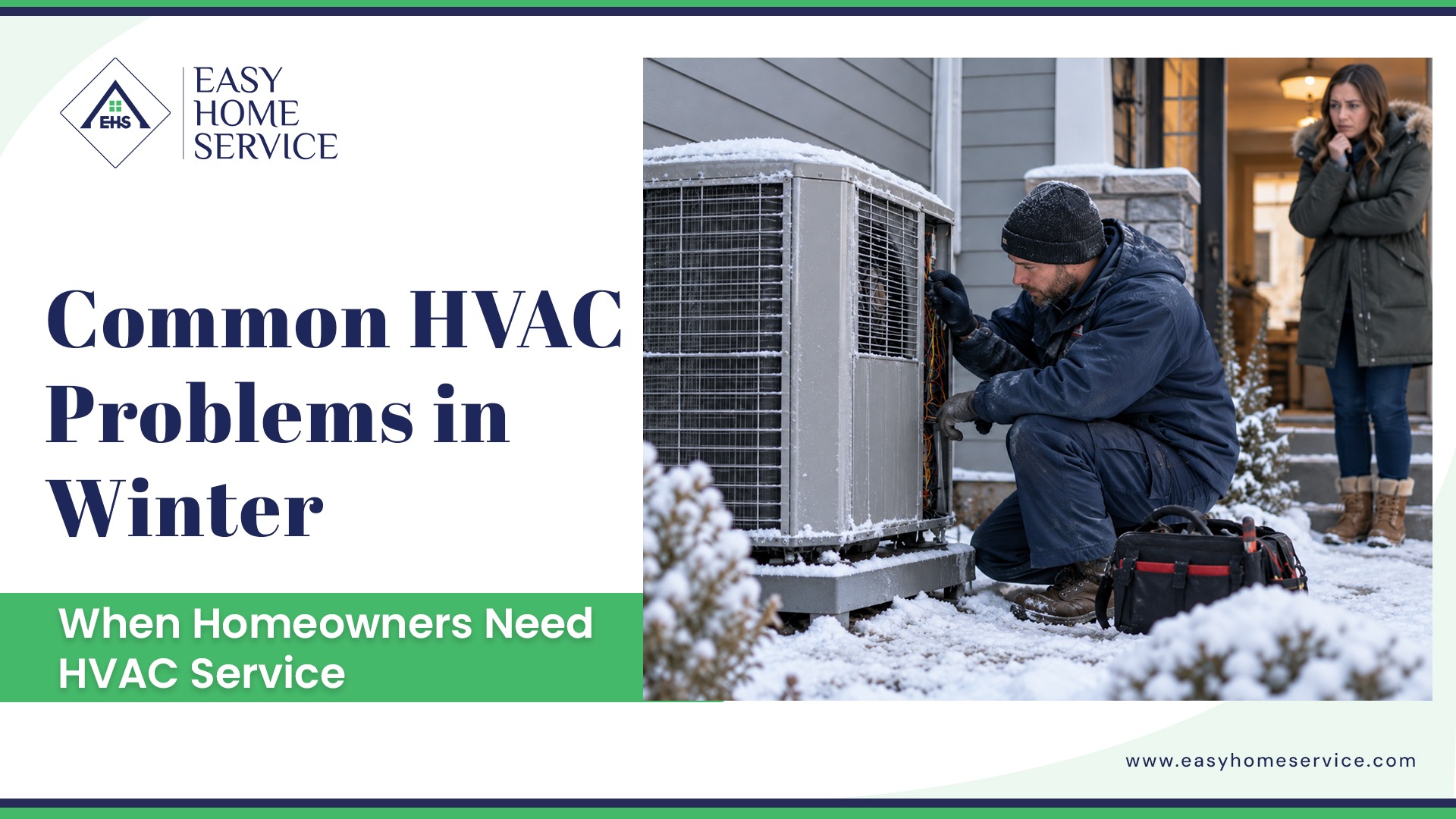
Winter puts your home's heating system to the test. When temperatures drop, your furnace or heat pump may run for longer periods, work harder to maintain the thermostat setting, and expose problems that were easy to overlook during milder weather.
For homeowners, a heating problem is more than an inconvenience. A furnace that is not heating properly can leave bedrooms and living areas uncomfortable, increase energy consumption, interrupt daily routines, and become a bigger repair issue if the underlying cause is ignored.
Understanding the common HVAC problems in winter can help you recognize when something is wrong and determine when professional HVAC service is the better option. Some problems may have simple causes, such as a dirty filter or incorrect thermostat setting. Others require inspection, testing, repair, or replacement by a qualified HVAC professional.
This guide covers the most common winter heating problems homeowners experience, what those problems can mean for a home, and when it makes sense to schedule professional HVAC services.
Heating systems often operate much more frequently during winter than they do during the rest of the year. In colder parts of the U.S., that increased demand can reveal weaknesses in an older or poorly maintained system.
A furnace that seemed to work normally in the fall may struggle once outdoor temperatures remain low for days or weeks. Components that are worn, dirty, damaged, or improperly adjusted can cause performance problems when the system is under continuous demand.
For homeowners in states such as New York, Illinois, and Pennsylvania, prolonged periods of cold weather can make dependable heating especially important. Even in states with milder winters, such as Texas, a sudden cold spell can place unexpected demand on a heating system.
The result can be familiar winter complaints: the furnace is blowing cold air, rooms are not warming evenly, the system keeps turning on and off, or heating bills suddenly rise.
These symptoms should not automatically be treated as normal winter behavior. They can indicate an HVAC problem that needs attention.
One of the most frustrating winter HVAC problems is a furnace that appears to be running but blows cool or cold air.
There can be several reasons for this. A thermostat may be set incorrectly, the air filter may be restricting airflow, or the furnace may have an ignition or mechanical problem. In some cases, the system may initially blow cooler air before producing warm air, but continuous cold airflow is worth investigating.
Homeowners can start with simple checks. Make sure the thermostat is set to heating mode and the desired temperature is above the current indoor temperature. Check the air filter and replace it if it is visibly dirty or overdue for replacement. Also make sure supply vents are open and unobstructed.
If the furnace continues blowing cold air after these basic checks, professional HVAC service may be necessary. Attempting to repair gas, electrical, ignition, or internal furnace components without the appropriate training can create safety risks.
A furnace that repeatedly starts and stops may be experiencing short cycling.
Short cycling can have several potential causes. A severely restricted filter can reduce airflow and contribute to overheating. Thermostat problems can also affect cycling. Other possibilities include equipment sizing issues or mechanical problems.
Homeowners may notice that the furnace turns on for only a short period, shuts down, and then starts again soon afterward. This pattern can prevent the home from heating consistently and may place additional stress on the heating system.
Start by checking the filter and thermostat settings. Ignoring repeated short cycling is not a good long-term strategy. The underlying problem can affect comfort and may contribute to additional equipment wear.
Furnace short cycling occurs when the heating system turns on and shuts off repeatedly without completing a normal heating cycle.
You may hear the furnace start, feel warm air coming from the vents, and then notice the system shut down after only a short period. Soon afterward, it starts again.
This can affect both comfort and system performance. The home may have difficulty maintaining a consistent temperature, while repeated starts can place additional wear on system components.
Potential causes include:
Short cycling should not be ignored simply because the furnace is still producing heat. Frequent cycling can indicate that the system is not operating as it should.
If changing a severely dirty filter does not resolve the issue, an HVAC professional should inspect the system to determine why it is repeatedly shutting down.
Your furnace may be operating, but that does not necessarily mean your home is receiving enough heated air.
Weak airflow can make rooms feel cold and may cause the HVAC system to operate longer than expected. A dirty filter is one possible cause. Blocked vents, restricted ductwork, blower problems, and duct leakage can also affect airflow.
Check the air filter first. If it is dirty, replace it with the appropriate filter recommended for your system. Make sure supply registers and return-air grilles are not blocked.
If airflow remains weak throughout the house, professional inspection may be useful. If only certain rooms have weak airflow, the issue may be more localized to the ductwork or individual vents.
Good airflow is important for both comfort and system performance. A heating system cannot distribute warm air effectively if air movement through the system is restricted.
Winter heating bills can increase naturally when temperatures drop, but an unusual increase may sometimes indicate an HVAC efficiency or home-performance issue.
A heating system that runs longer than normal may consume more energy. Dirty filters, poor duct performance, aging equipment, thermostat settings, air leakage, and inadequate insulation can all contribute to increased heating demand.
Homeowners should compare their current usage with previous winters while considering differences in weather. If the system is running significantly more frequently than usual or the home is not staying comfortable despite higher energy use, it may be worth investigating.
Simple steps such as maintaining the filter, keeping doors and windows properly sealed, and using appropriate thermostat settings can help. Professional HVAC maintenance can also identify problems that homeowners may not notice.
If rising heating costs occur alongside uneven temperatures, unusual noises, frequent cycling, or reduced airflow, those symptoms should be considered together rather than viewed as separate problems.
Heating systems naturally produce some operating sounds. However, a new, unusually loud, or persistent noise can indicate that something has changed.
Homeowners may hear:
The type of sound does not always provide a definitive diagnosis. A rattling sound, for example, can have more than one possible cause.
Homeowners should pay attention to when the sound occurs and whether it is accompanied by other symptoms. Is the Furnace Not Heating? Does the noise occur only when starting? Has the sound become louder over time?
Avoid opening or dismantling the furnace to investigate internal components. If an unusual noise persists, professional HVAC repair can help identify the underlying problem safely.
A temporary dusty smell when a heating system is first used after a period of inactivity can sometimes occur. However, persistent or unusual odors should not simply be ignored.
A burning smell, electrical odor, gas odor, or other unfamiliar smell can indicate different problems and may require immediate attention depending on the circumstances.
Fuel-burning heating equipment also creates important safety considerations. Carbon monoxide cannot be seen or smelled, which is why homeowners should have properly functioning carbon monoxide detectors in appropriate areas of the home.
If you suspect a gas leak or a dangerous combustion problem, prioritize safety and follow appropriate emergency procedures rather than attempting to diagnose or repair the equipment yourself.
For ordinary HVAC odors that persist without an obvious explanation, a qualified HVAC professional can inspect the system and determine whether maintenance or repair is needed.
The thermostat controls when your heating system operates, so thermostat problems can have a noticeable effect on home comfort. A thermostat may display a temperature that does not seem to match how the room feels. The heating system may also fail to start when expected or continue operating longer than necessary.
First, check the thermostat mode and temperature setting. If your thermostat uses batteries, make sure they are not depleted. Also consider whether the thermostat is located near a heat source, direct sunlight, a draft, or another location that could influence its temperature reading.
If the thermostat appears to work correctly but the HVAC system does not respond as expected, the problem may involve the heating equipment rather than the thermostat itself.
A professional can evaluate the thermostat and HVAC system together instead of replacing the thermostat unnecessarily.
Cold winter weather can make indoor air feel noticeably dry, particularly when heating systems operate frequently.
Homeowners may notice dry skin, static electricity, or general discomfort. Dry indoor air can also affect wood furnishings and other materials in the home.
Humidity management can be an important part of overall indoor comfort. Depending on the home's conditions and HVAC setup, a whole-house humidifier may be worth considering.
However, adding humidity without considering the home's overall moisture balance is not always appropriate. Excessive indoor moisture can create different problems.
An HVAC professional can help homeowners understand whether their existing heating and cooling system can support humidity-control equipment and what type of solution may be appropriate.
A furnace that refuses to start can become an urgent issue when outdoor temperatures are low.
Before contacting a professional, homeowners can check simple items such as the thermostat setting and whether the system has power. If the thermostat requires batteries, replacing them may resolve the issue.
Homeowners should not attempt to repair gas lines, electrical components, ignition systems, or other internal furnace components without the proper qualifications.
If the furnace still will not operate, emergency HVAC repair may be required. A technician can inspect the system and identify whether the issue is related to electrical components, ignition, controls, airflow, or another part of the equipment.
Not every winter HVAC issue requires an immediate service visit. Homeowners can safely address some basic checks, such as verifying thermostat settings, replacing an overdue air filter, or making sure vents are not accidentally blocked.
Professional service becomes more important when a problem continues after these basic checks, affects the entire home, or appears to involve a mechanical, electrical, combustion, or safety component.
Consider contacting an HVAC professional when:
The reason for calling a professional is not simply convenience. Persistent HVAC problems can affect comfort and operating costs, and some problems cannot be accurately diagnosed without inspecting the equipment.
Winter HVAC problems are often easier to manage when homeowners identify potential issues before extreme weather arrives.
Regular maintenance can help identify worn components, airflow problems, dirty equipment, and other conditions that could affect heating performance. Homeowners should also replace filters according to the manufacturer's recommendations and keep supply and return vents clear.
If the system has already shown warning signs, scheduling an HVAC inspection before the next major cold spell can be particularly useful.
This is especially relevant for homeowners in colder states such as New York, Illinois, and Pennsylvania, where heating systems may operate continuously during extended cold periods. In states such as Texas, where winter conditions can vary considerably, an HVAC system can still experience problems when temperatures suddenly drop.
Preventive attention does not guarantee that a system will never fail, but it can help homeowners identify developing problems before they become an emergency.
The most common winter heating problems are not always isolated issues. A furnace blowing cold air, weak airflow, uneven heating, short cycling, unusual noises, and rising heating bills can sometimes be connected to the same underlying system problem.
The important step is recognizing when a symptom has moved beyond a simple homeowner check.
If your furnace is not heating, will not turn on, repeatedly cycles, produces unusual sounds or odors, or cannot maintain a comfortable temperature, professional Heating service can help identify the cause.
Homeowners do not need to wait for a complete system failure before seeking help. An HVAC professional can evaluate the equipment, explain what is causing the problem, and help determine whether the appropriate solution is repair, maintenance, or replacement.
For homeowners dealing with common HVAC problems in winter, getting the problem properly assessed can help restore reliable heating and prevent an unresolved issue from disrupting comfort when the home needs heat most.
Find Top Rated Service Providers
We help you find top service providers and compare quotes.





Leave a Comment: