Your Go-To for Complete Home Solutions and Trusted Excellence
Your Go-To for Complete Home Solutions and Trusted Excellence
HVAC

By Ar. Daisy,
September 15, 2026


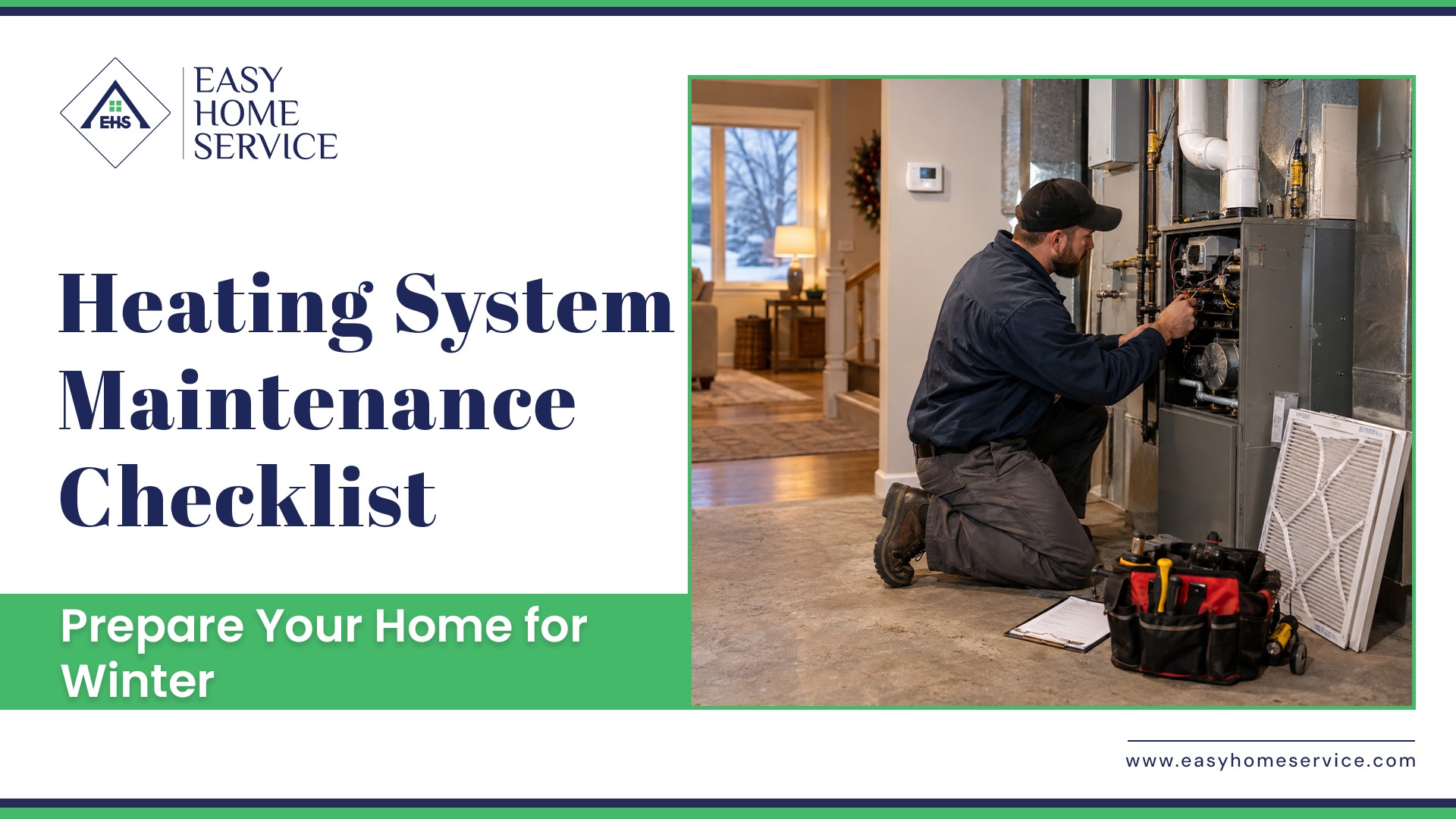
There's a specific moment every homeowner recognizes. It's the first genuinely cold night in October, you bump the thermostat up for the first time since March, and then you wait. Sometimes you get warm air and a faint burnt-dust smell. Sometimes you get a click, a hum, and nothing else.
That second outcome is almost always preventable. Heating systems rarely fail without warning; they usually fail after months of sitting idle with a clogged filter, a weak igniter, or a loose electrical connection nobody checked. A little seasonal heating maintenance in September or October catches those problems while they're still cheap and while HVAC companies still have open appointments.
This heating system maintenance checklist covers 15 practical steps to complete before cold weather arrives, along with guidance on when professional maintenance makes sense.
Waiting until the first freezing night to turn on the furnace can reveal problems when HVAC companies are already busy with emergency calls. Fall gives you a window to test the system, identify problems, and schedule repairs without the pressure of an immediate heating failure.
Regular seasonal heating maintenance can also help uncover issues such as restricted airflow, unusual burner operation, worn electrical components, poor thermostat performance, or inadequate ventilation.
The exact priorities can vary by climate. A furnace in Minnesota may operate continuously for months, while a heat pump in North Carolina may experience a very different heating workload. Homes in milder states still benefit from preparation because equipment can develop problems while sitting unused for much of the year.
These ten tasks require no license, no specialized tools, and maybe two hours total. Do them on a Saturday and you've handled the majority of the preventable issues.
Start with air filter replacement, because a dirty filter is one of the most common causes of heating system problems. Restricted airflow can make the furnace run hotter and longer, potentially triggering the high-limit switch, putting additional strain on the heat exchanger, and increasing energy use.
Check the size printed on the filter frame and replace it with the exact same size. One-inch filters typically need changing every 60 to 90 days, while thicker media filters may last six to twelve months. If you have pets, run the heating system frequently, or live in a dusty environment, check the filter more often. When installing the new filter, follow the airflow arrow on the frame and point it toward the furnace.
Switch your thermostat to heat before you actually need it.
Set the temperature several degrees above the current indoor temperature and allow the system to run. Check whether:
If the thermostat display is blank, inaccurate, or frequently loses its settings, it may need attention before winter.
Your heating system may make some normal operating sounds, but new or worsening noises deserve attention.
Listen for:
The sound itself does not always identify the problem. A rattle could be something loose, while a grinding noise may point to a mechanical issue.
If a noise appears suddenly or becomes louder over time, do not wait for a complete breakdown before having it checked.
Walk the whole house. Furniture, rugs, curtains, and stacked boxes block supply registers constantly, and closing vents in unused rooms doesn't save money the way people assume. It raises static pressure in the ductwork and makes the blower work against itself.
Vacuum the registers while you're down there. Then find your return air grilles, usually the large ones in hallways or near the furnace, and make sure nothing is leaning against them. Return airflow is just as important as supply.
Mechanical rooms turn into storage closets. Give the unit at least three feet of clearance on all sides, and get anything flammable well away from it: paint cans, gasoline, solvents, cardboard, laundry piles.
If your furnace draws combustion air from the room rather than from outside, blocking the louvred door or the combustion air duct starves it of oxygen. That's a genuine safety issue, not just an efficiency one. Keep those openings clear.
Fuel-burning heating systems need proper venting to move combustion gases safely outside the home.
From a safe location, check for obvious exterior obstructions around the exhaust termination. Leaves, snow, ice, nests, and debris can interfere with some venting systems.
Never alter or disconnect a furnace vent yourself.
If you notice corrosion, damaged venting, unusual staining, or exhaust-related concerns, schedule a professional heating system inspection.
Any home with gas, oil, propane, or wood heat needs working CO detectors, ideally one on each level and one near sleeping areas. Press the test button on each unit, replace batteries, and look at the manufacture date on the back. CO sensors expire, usually after seven to ten years, and an expired detector can read clean while doing nothing.
If a carbon monoxide alarm sounds, leave the home and contact emergency HVAC services or the appropriate local authority. Do not assume the alarm is simply malfunctioning.
If accessible ductwork runs through an attic, basement, crawl space, or utility area, look for obvious problems such as disconnected sections, damaged insulation, or visible gaps.
Leaky or poorly insulated ducts can waste conditioned air before it reaches living spaces. This can become especially noticeable when certain rooms consistently feel colder than others.
Do not use household tape as a permanent ductwork repair. Proper duct sealing requires materials and methods appropriate for HVAC applications.
If you have a bypass or flow-through humidifier mounted on the ductwork, it needs attention every fall. A whole-house humidifier that sat idle all summer will have a stiff, mineral-crusted evaporator pad, so replace it and open the bypass damper for winter operation. That damper usually has a summer and winter setting marked right on it, and plenty of homeowners never touch it.
Set the humidistat somewhere around 35 to 40 percent. Higher than that and you'll get condensation on windows and moisture problems in the walls.
Oil and propane customers should check tank levels in early fall and top off before the seasonal price climb and before delivery schedules tighten. Running an oil tank low pulls sediment into the fuel line and clogs the filter and nozzle.
If you heat with wood or pellets, confirm your supply is seasoned, dry, and stored off the ground. Green wood creates creosote fast, and creosote causes chimney fires.
Strange noises, uneven heating, or repeated cycling can point to an underlying issue. If something doesn't seem right, Easy Home Service can help you find local heating professionals to assess the problem.
The remaining five items involve combustion, high voltage, sealed components, or safety systems. These belong to a licensed technician, and they're the core of what you're paying for during a professional heating system inspection.
A technician removes and cleans the burners, checks the flame pattern, cleans the flame sensor, and tests gas pressure against the manufacturer's spec. Then they run a combustion analyzer on the flue gases to measure oxygen, carbon monoxide, and efficiency.
That analyzer reading is the part you can't replicate. It tells you whether the furnace is burning cleanly or slowly drifting toward unsafe operation, and no amount of visual inspection substitutes for it.
The heat exchanger separates combustion gases from the air you breathe. When it cracks, carbon monoxide can enter the supply airstream. Cracks often hide in the back of the exchanger, past the collector box, so a proper inspection involves partial disassembly, a borescope camera, or both.
This is the single most important reason to book professional heating maintenance services on a gas or oil furnace. Most manufacturers also require documented annual service for heat exchanger warranty coverage, which typically runs 20 years to lifetime.
The tech pulls the blower assembly, cleans the wheel, and checks the bearings and, on older units, the belt tension. A blower wheel caked with dust can lose a meaningful share of its airflow, which hurts comfort and efficiency at the same time.
They'll also tighten electrical connections, test capacitors, measure amp draw against the nameplate rating, and verify the safety controls: the high-limit switch, rollout switch, pressure switch, and flame rollout sensor. Loose connections and failing capacitors are common causes of mid-winter no-heat calls.
Some high-efficiency heat pumps and furnaces and produce condensate that must drain properly.
If the drain is accessible and the manufacturer's instructions permit homeowner inspection, look for obvious standing water or signs of blockage around the drain system.
A blocked condensate drain can cause water leakage or trigger a safety switch on some equipment.
Because condensate systems vary considerably, avoid disassembling components unless you know the manufacturer's procedure.
Flue pipes corrode, joints separate, and chimney liners deteriorate. A technician verifies proper slope on the vent connector, checks for rust or holes, and performs a draft test to confirm exhaust gases are actually leaving the building. Masonry chimneys serving gas appliances need a liner check as well.
If you also have a wood-burning fireplace, schedule a separate chimney sweep. That's a different trade, and a creosote-lined flue is a fire risk your HVAC tech isn't there to address.
The checklist stays the same, but the emphasis shifts depending on where you live.
In states with long, cold winters, heating equipment may operate for extended periods. Furnace performance, airflow, duct condition, thermostat operation, and safety components deserve particular attention before sustained cold weather arrives.
In places such as North Carolina, Georgia, and Virginia, heating seasons may be shorter, but homeowners can still experience sudden cold snaps. A system that has remained mostly idle can fail when temperatures unexpectedly drop.
Homes in Oregon and nearby areas may deal with extended periods of damp, cool weather. Heat pumps are common, making outdoor-unit condition and proper system operation particularly important.
States such as Delaware can experience significant temperature swings during fall and winter. Checking heating equipment before the first sustained cold spell can help homeowners avoid discovering problems during a sudden temperature drop.
The goal is not to follow a rigid regional checklist. Instead, prepare your heating system for winter based on your equipment, local climate, home characteristics, and expected heating demand.
A few homeowner checks can go a long way, but they cannot replace a professional HVAC inspection when your heating system needs technical attention.
If your furnace has unusual noises, inconsistent heating, repeated shutdowns, rising operating costs, or other problems, connect with a local heating professional before winter demand peaks.
Easy Home Service can help homeowners find local professionals for heating system maintenance, inspections, repairs, and other HVAC needs. Getting the system checked before severe weather arrives allows you to address problems while they are still manageable.
Look for experienced contractors who provide a written home inspection report with actual measurements: temperature rise, static pressure, amp draw, combustion readings. A one-line invoice that says "system checked, operating normally" tells you nothing. Ask whether combustion analysis and heat exchanger inspection are included, because some low-cost tune-ups skip both. Searching for local heating maintenance and comparing two or three quotes on scope rather than price alone usually sorts the serious companies from the rest.
If your heating system needs maintenance or you're concerned about a potential problem, now is the time to address it. Connect through Easy Home Service before a minor issue becomes an unexpected winter breakdown.
None of this is complicated. It's just easy to postpone until the weather forces the issue, and by then your options have narrowed to whoever can come out fastest. Working through this heating maintenance checklist in the fall costs you an afternoon and one service appointment, and it buys you a winter where the heat simply works.
Start with the filter, the thermostat, and the CO detectors this weekend. Then get the professional visit on the calendar while the calendar still has room. Consistent heating system maintenance is the difference between a system that lasts 12 years and one that lasts 20.
A reliable winter heating season starts before winter. Use this heating system maintenance checklist to handle the basic homeowner checks, watch for warning signs, and schedule professional HVAC service when your system needs a deeper inspection.
The earlier you identify a heating problem, the more options you typically have. Whether you need routine maintenance, a heating system inspection, or help with an unexpected problem, preparing your equipment in fall can help you head into colder weather with greater confidence.
Find Top Rated Service Providers
We help you find top service providers and compare quotes.







Leave a Comment: