Your Go-To for Complete Home Solutions and Trusted Excellence
Your Go-To for Complete Home Solutions and Trusted Excellence
Home Improvement

By Ar. Daisy,
August 10, 2026


You made it through showings, negotiations, and the nerve wracking wait for your offer to get accepted. Then the home inspection report lands in your inbox, thirty or forty pages long, with a list of flagged items that suddenly makes the whole purchase feel uncertain again.
Take a breath. This is normal. Almost every home inspection turns up something. Roughly 86% of inspections find at least one issue that needs attention, so a report full of flagged items does not mean you found a bad house. It means your inspector did their job. The real question is not whether repairs are needed. It is what you do next.
This guide walks you through exactly that, from reading the report the right way to deciding what to ask for, how to negotiate, and where to find trustworthy help for the repairs themselves, whether you're buying in a major metro like New York, Los Angeles, Chicago, Houston, or Phoenix, or in a smaller town anywhere else in the country.
A home inspection is a visual, top to bottom review of a property's condition. Inspectors check the roof, foundation, electrical panel, plumbing, HVAC system, windows, and structural components, then document everything they see in a written report. That word "everything" matters. Inspectors are trained to note even minor, low-priority items because their job is disclosure, not opinion. A cracked outlet cover and a failing furnace can both show up on the same page.
This is a big reason buyers get a home inspection when buying a home in the first place. About 88% of homebuyers choose to have one done, and it is easy to see why. Inspection findings help buyers negotiate a lower price roughly 46% of the time, and that leverage can save buyers thousands of dollars on average. A typical inspection costs somewhere between $300 and $425, which is a small price to pay for a clear picture of what you're actually buying.
So before you panic over a long list of findings, remember that length is not severity. A 40 page report with thirty cosmetic notes and two real problems is a very different situation than a ten page report with one structural red flag. Your job now is to sort the list.
Start by reviewing the complete report rather than focusing on one alarming photograph or recommendation. It is tempting to scroll straight to the scariest looking image, but that single photo rarely tells the whole story.
Look for findings involving safety, structural integrity, water intrusion, major systems, and conditions that could lead to expensive repairs down the road. Pay close attention to any recommendation for further evaluation. These notes typically mean the inspector spotted a sign of a problem but could not determine the full extent of it during a general, non invasive inspection. That is not the inspector being vague. It is the inspector telling you exactly where to look next.
Not every home inspection finding deserves the same level of attention. Once you have read the full report, sort each item into a category. This single step does more to keep the process manageable than anything else you'll do.
Common categories include:
For example, an active roof leak deserves far more attention than minor exterior wear. A significant electrical concern should receive more attention than a loose cabinet handle. Prioritizing the findings this way makes it much easier to determine what should be addressed before closing and what can simply be handled later, on your own schedule.
Some home inspection problems require a professional with specific expertise beyond what a general inspection covers. This is where the report stops being a document you read alone and starts becoming a checklist for who to call. An HVAC system lifespan, a questionable roof, a plumbing concern, water intrusion, an electrical flag, or damaged flooring each call for a different expert to confirm the real extent of the problem. You'll find guidance on exactly who to bring in for each of these further down in this guide. For now, the goal is simply to flag which findings need a second, more qualified opinion before you decide what to do next.
Getting the right professional involved early helps you understand the actual condition of each system before you sit down to negotiate repairs with the seller. It also protects you from either overreacting to a minor issue or underestimating a serious one.
Your home inspection report could point out an issue without detailing the precise cost to fix it, and that uncertainty is precisely where many buyers find themselves struggling. A report could indicate that a system is "approaching or at the conclusion of its anticipated service life," but that wording by itself doesn't clarify if you're dealing with a $200 fix or a $10,000 replacement. Prior to negotiating, obtain quotes from competent experts instead of depending on general online averages.
An accurate repair estimate can assist you in determining if you're facing a small repair, a major system issue, or a complete replacement.An inspection report could indicate that an HVAC system is approaching the conclusion of its anticipated operational lifespan. An HVAC expert can assess the onsite equipment and clarify if repair, regular maintenance, or replacement is the most cost-effective option.
Given that heating and cooling systems are among the priciest elements of any house, obtaining an accurate quote, rather than a rough estimate, provides you with a figure you can confidently support during negotiations.The identical method is relevant to roofing, plumbing, electrical, flooring, and water-related issues. A targeted, local appraisal from an expert in your area holds significantly more value in a negotiation than a national average obtained from an online search, and it provides you with an accurate understanding of what you would undertake if you choose to manage the repair personally after closing.
Once you understand the actual condition of the property, not just what the report says but what it means in dollars and safety terms, prioritize the repairs that could affect safety, functionality, future costs, or your ability to comfortably occupy the home.
Major roof leaks, serious electrical hazards, active water intrusion, significant plumbing problems, structural concerns, and a non functioning heating or cooling system generally deserve closer attention than cosmetic issues like scuffed paint or worn carpet. These are the items that belong on your pre closing list. Everything else can typically wait until after you've moved in, addressed on your own timeline and budget.
This is also the point where your earlier work pays off. Because you've already sorted the findings and gathered real estimates, you're not guessing about what's urgent. You know.
Your purchase agreement and local requirements determine what options are actually available to you after a home inspection. Don't handle this step alone.
Depending on your contract, you may be able to request repairs, negotiate a credit, request a price adjustment, obtain additional evaluations, or reconsider the transaction altogether. Because inspection contingencies and contract terms vary significantly from state to state and even deal to deal, discuss your specific situation with your real estate professional and, when appropriate, a qualified professional.
Roofing, HVAC, plumbing, electrical, and more. See every service Easy Home Service connects you with, so you're ready no matter what your inspection report turns up.
Most inspection reports circle back to the same handful of systems. Here is what typically shows up, and where to turn when it does.
A home inspection report can identify many different types of problems. Some deserve immediate attention because they can affect safety, habitability, or future repair costs.
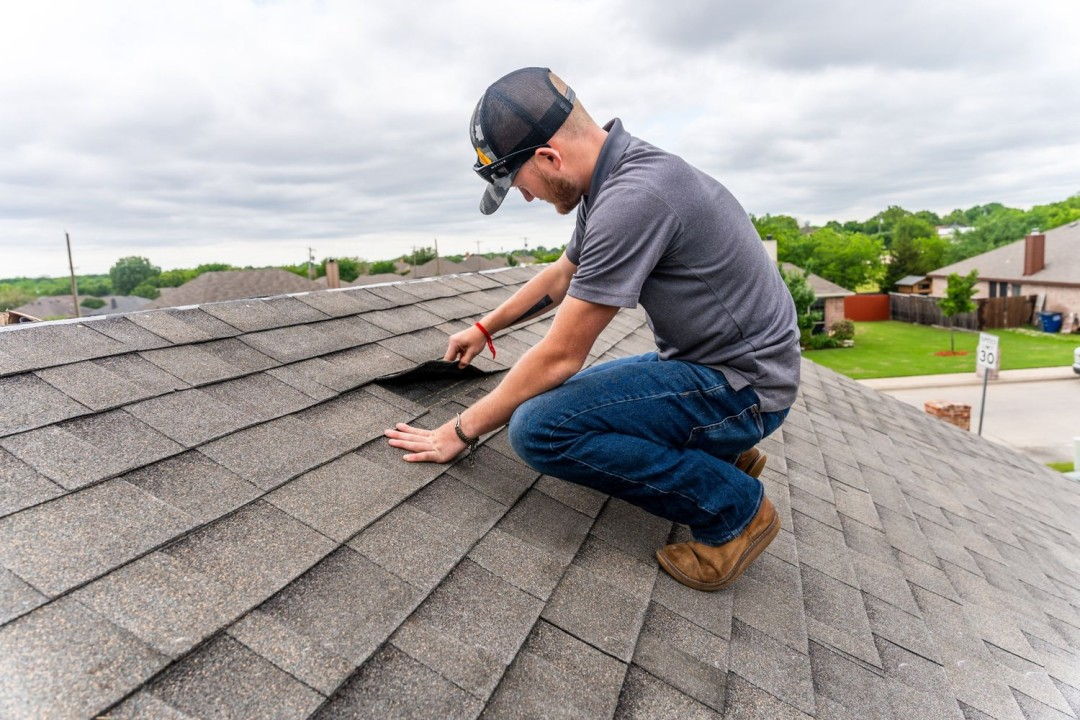
Roof leaks, damaged shingles, deteriorated flashing, drainage problems, and other roofing concerns can allow water to enter the home and cause additional damage. If the inspection report identifies a roof problem, consider having a roofing professional evaluate the condition before deciding whether to request repairs or other concessions. A roofing evaluation may help determine whether the issue can be repaired or whether a larger portion of the roof requires replacement.

Heating and cooling systems are major components of a home, particularly in areas with very hot summers or cold winters. Your inspection report may identify an aging furnace, air conditioner, heat pump, ductwork issue, poor airflow, unusual equipment noise, or other concerns. An HVAC professional can determine whether the system requires maintenance, repair, component replacement, or full system installation. If the existing system is inefficient or near the end of its useful life, understanding the potential replacement needs before closing can help you plan your future home expenses.
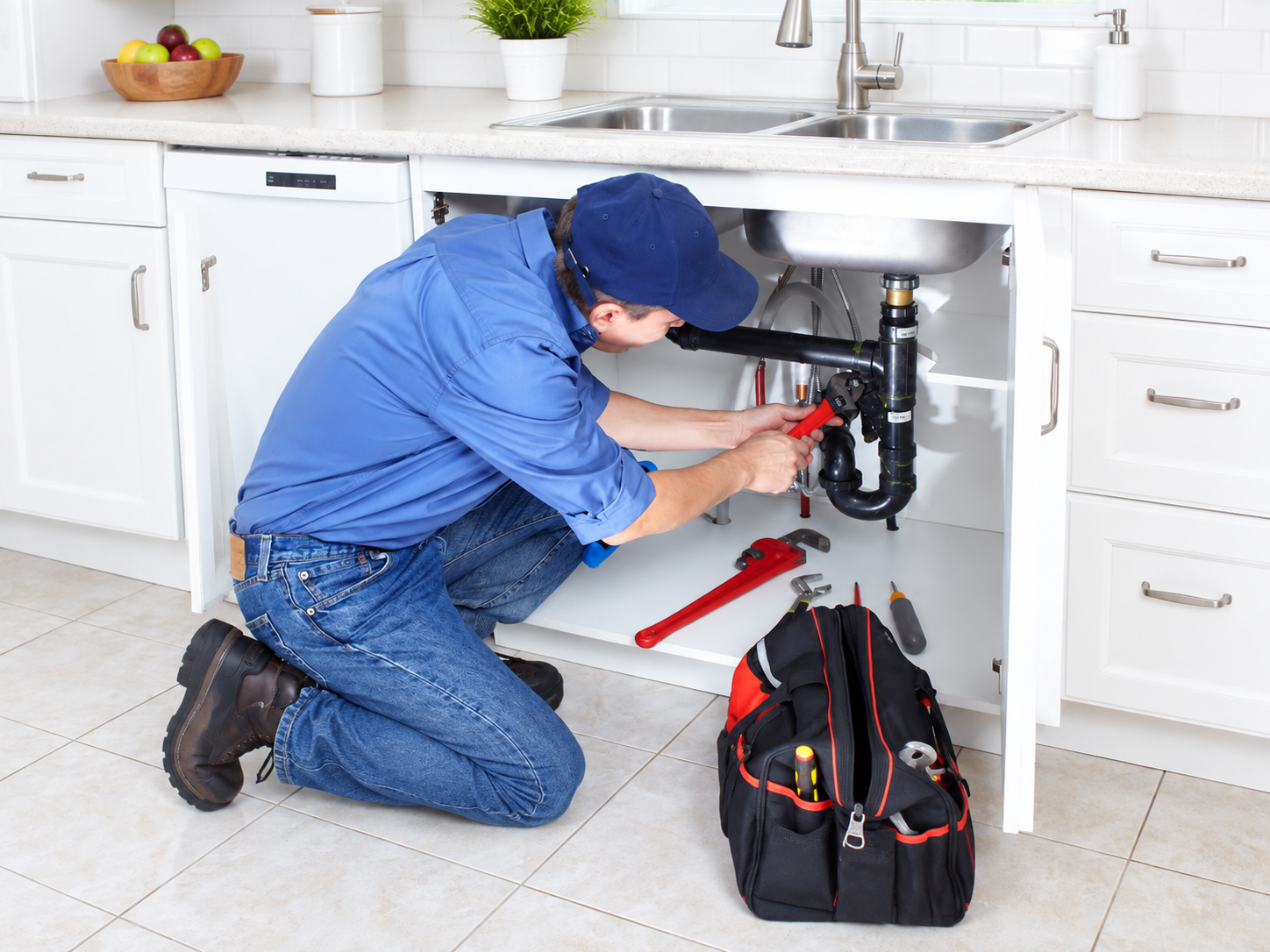
Plumbing problems can range from minor leaks to more significant concerns involving pipes, drains, water heaters, sewer lines, or water pressure. A visible leak may be relatively straightforward to repair, but hidden plumbing problems can cause damage if they continue unnoticed. If your inspection report recommends further plumbing evaluation, getting a plumbing professional's assessment can help determine the severity of the problem and the appropriate repair.
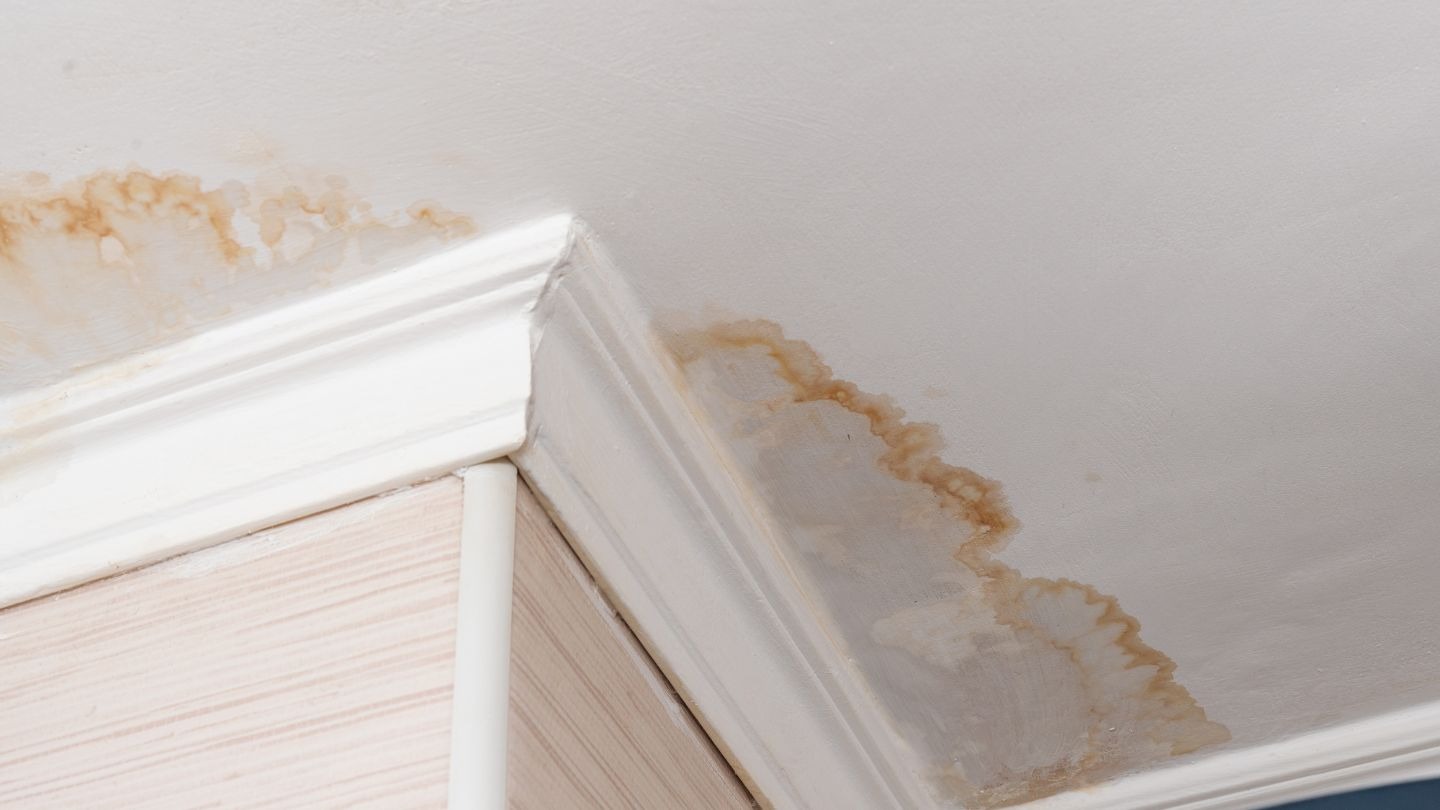
Water stains, damp areas, damaged drywall, musty odors, or elevated moisture can indicate a current or previous water problem. Do not assume that every water stain is only cosmetic. Before making a repair decision, determine whether the source of the moisture has been resolved and whether surrounding materials were affected. A water damage professional can help assess the affected area and determine what needs to be addressed.
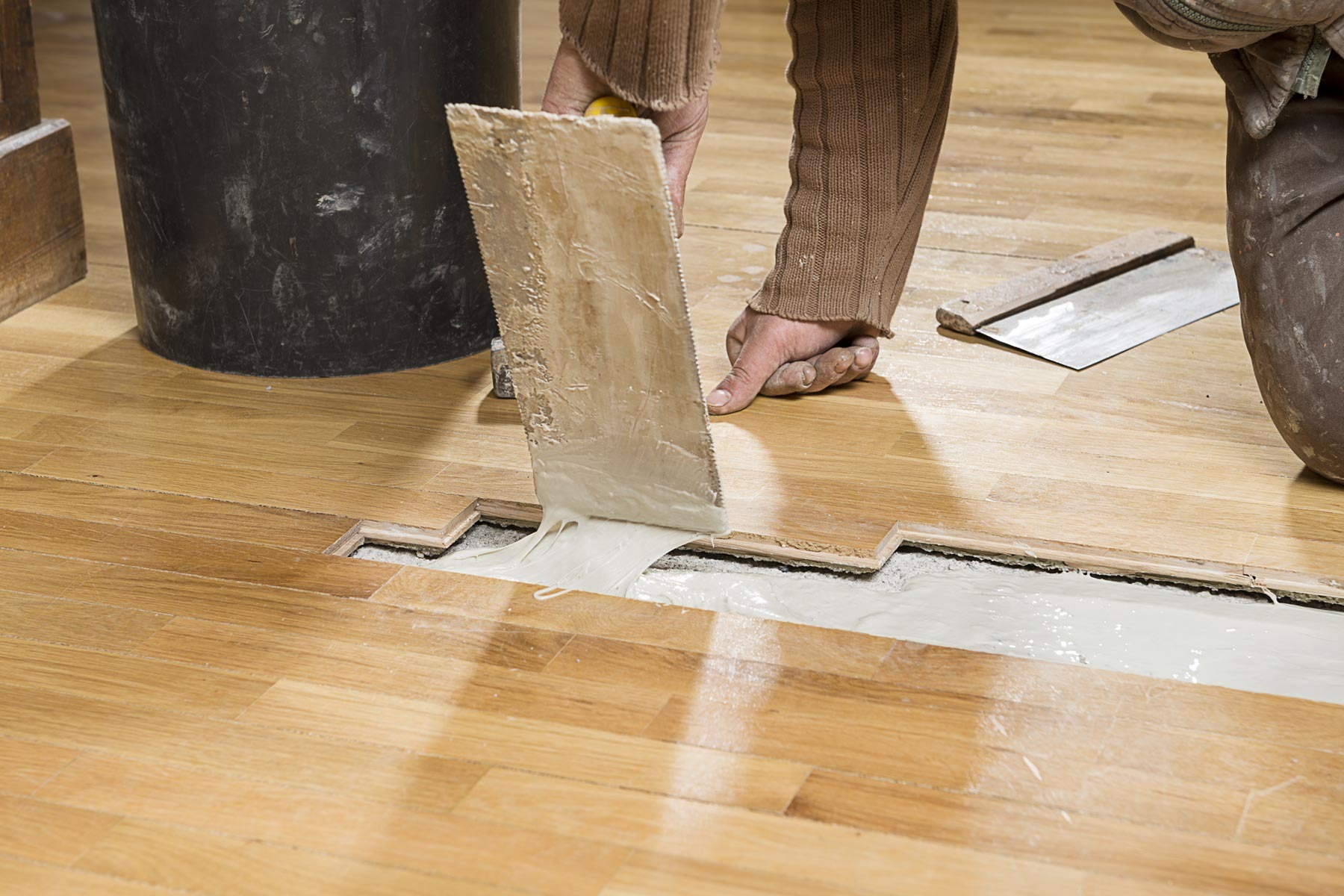
Uneven, soft, buckled, or damaged flooring can sometimes indicate an issue below the finished surface. For example, flooring damage may be associated with previous water intrusion, plumbing leaks, or subfloor deterioration. If the inspection report raises concerns about flooring or subfloor conditions, a flooring professional can help determine whether the issue involves the surface material or a deeper problem that should be addressed first.
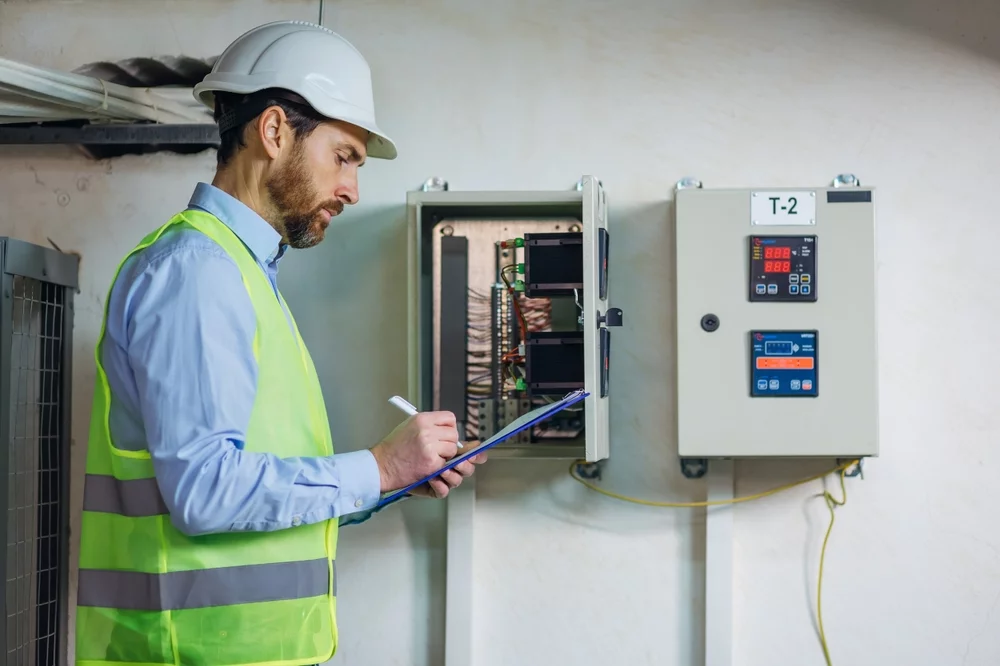
Electrical concerns deserve careful attention because certain conditions can create safety risks. Inspection findings may involve outlets, wiring, panels, grounding, circuit protection, or other electrical components. When a report identifies a significant electrical concern, have the issue evaluated by a qualified electrical professional rather than attempting to determine the repair yourself.
Not every item on a home inspection report calls for the same response. Once you know what a finding actually means, it generally falls into one of four categories: repair, replacement, installation, or maintenance. Sorting findings this way takes the guesswork out of the process and helps you understand what's urgent, what's optional, and roughly what kind of professional to call.
Repair is the right category when a component is damaged but can reasonably be restored to good working condition. These are typically the most affordable and least disruptive fixes on the list, and they often don't require a full system evaluation once a professional confirms the extent of the damage.
Examples include:
Leaking pipe
Damaged gutter section
Minor roof flashing damage
Loose electrical connection
Damaged siding
Minor flooring damage
A sewer line inspection revealing a small, isolated crack or joint issue
Replacement becomes the right call when a component is severely damaged, has already failed, has deteriorated beyond a reasonable repair, or is simply near the end of its expected service life. These findings tend to carry the highest cost, so getting a professional estimate before you negotiate or budget is especially important here.
Examples include:
Failed HVAC equipment
Severely damaged roof
Outdated electrical panel
Corroded plumbing
Broken window
Severely damaged flooring
A septic tank that has failed or a sewer line that's collapsed or blocked by root intrusion
Installation applies when something is missing, inadequate, or needs to be added to improve the home's safety or functionality. These findings are not always about something being broken. Sometimes the home simply never had the right component in the first place, or what's there no longer meets current safety standards.
Examples include:
Missing GFCI protection
Missing bathroom ventilation
Missing gutters or downspouts
Additional insulation
New HVAC equipment
New drainage components
House ventilation installation in rooms or attic spaces that were never properly vented
Not every finding on a home inspection report needs a repair, a replacement, or new installation. Plenty of items just need regular upkeep, and it's just as important to recognize these as it is to catch the serious ones. Treating a maintenance item like an emergency can cause unnecessary stress and unnecessary spending.
Examples include:
Roof maintenance
Caulking around windows
Plumbing fixture maintenance
An HVAC system tune-up to keep an otherwise healthy system running efficiently
If you already have your report in hand and need help sorting out repairs, the fastest path forward is connecting with vetted, local professionals who already know what buyers and sellers in your market typically deal with.
That's exactly what Easy Home Service was built for. Whether you need a roofer in Chicago, an electrician in Philadelphia, a plumber in San Antonio, or an HVAC technician near you anywhere from San Diego to Charlotte to Indianapolis, we connect homeowners with trusted, local experts who provide honest pricing and no pressure quotes. Just enter your zip code, tell us about the job, and we'll match you with a professional who's ready to help, so you can move from "the inspection report says repairs are needed" to "it's already handled."
Stop guessing what your inspection report means. Get matched with a trusted local pro today and get a straight answer on repair, replacement, or maintenance, before your closing deadline hits.
A home inspection report full of flagged items is not a reason to panic. It's a tool. Read it carefully, sort the findings by severity, get real repair estimates, and negotiate only the items that genuinely matter. Whether you end up asking the seller for repairs, requesting a credit, or simply moving forward with a clear plan for what needs attention after closing, the goal is the same: make an informed decision about the biggest purchase of your life, backed by real information instead of anxiety.
And when it's time to actually get the work done, from HVAC and roofing to plumbing, electrical, flooring, water damage, and remodelling, Easy Home Service is ready to connect you with the right professional, wherever you call home.
Find Top Rated Service Providers
We help you find top service providers and compare quotes.







Leave a Comment: