Your Go-To for Complete Home Solutions and Trusted Excellence
Your Go-To for Complete Home Solutions and Trusted Excellence
Siding

By Ar. Daisy,
April 22, 2026


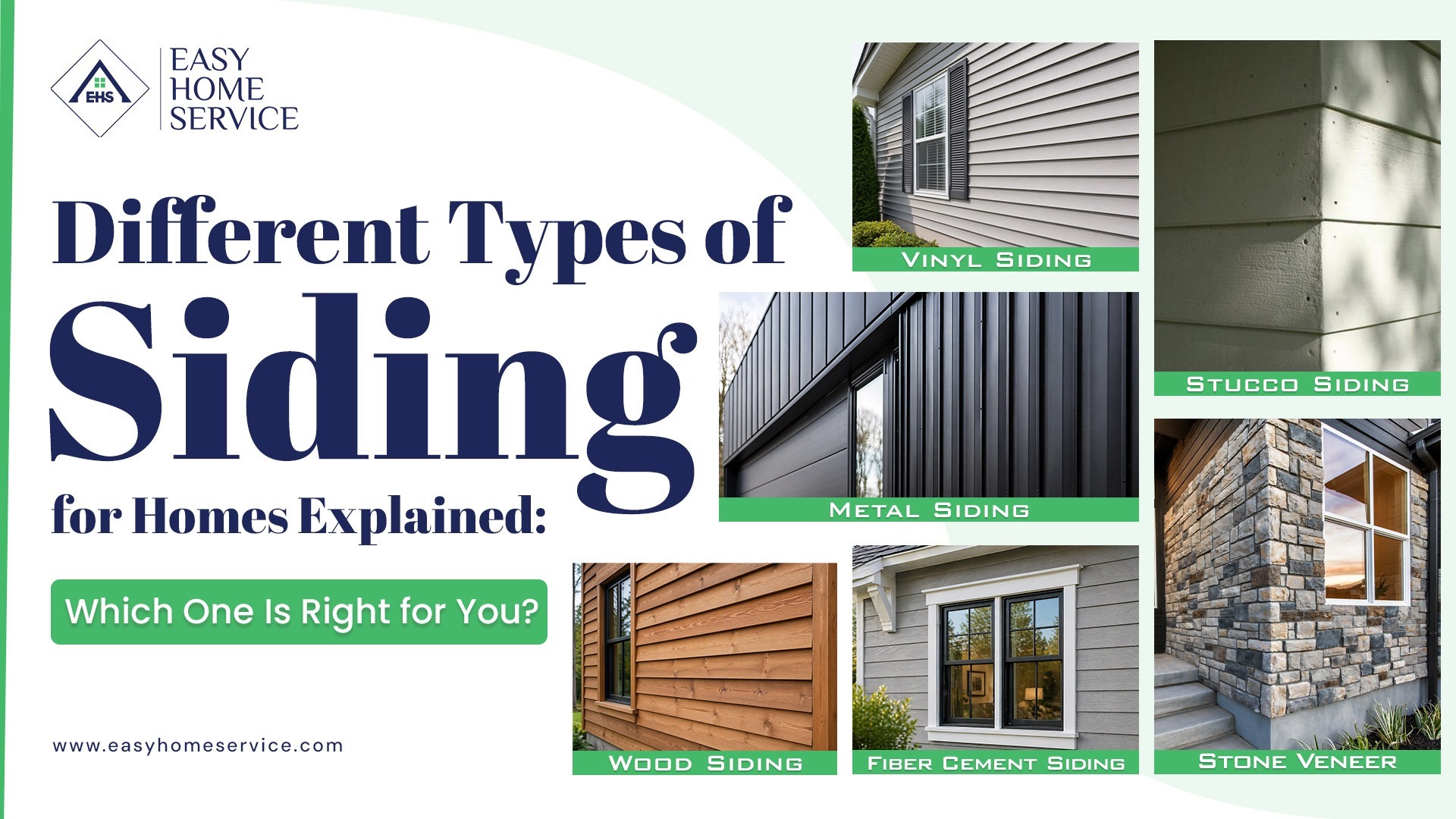
When it comes to protecting and enhancing your home, choosing the right type of siding for homes can make all the difference. It is one of the most important decisions you can make for your home. This blog guide by Easy Home Service is designed to help homeowners in the US understand different siding materials, their performance, and costs.
Whether you are upgrading an older home or building a new one, selecting the best siding ensures that your home is energy efficient, durable, and maintains its aesthetic appeal.
The purpose of siding is not only aesthetic but also functional. Siding is more than just an exterior finish. It acts as a protective barrier against harsh weather, moisture, pests, and temperature fluctuations. In the United States, homes are subject to diverse climate conditions, ranging from freezing winters in the Midwest to humid summers in the South. The right type of siding on a house can help in maintaining indoor comfort while reducing long-term repair costs.
Siding materials vary widely in durability, insulation performance, and resistance to environmental damage. Making it essential to choose from the different kinds of siding based on your local climate and home structure.
Vinyl siding remains one of the most widely used types of siding for houses due to its affordability, low maintenance, and durability. It is moisture-resistant, requires no maintenance or repainting, and comes in a variety of colors.
Although it may become deformed in hot weather and is prone to cracking in freezing conditions, this type of siding is still regarded as one of the best options for homeowners who are looking for a cost-effective and long-lasting solution.
Fiber cement siding has gained popularity as a premium option among different types of siding for homes. It combines cement, sand, and cellulose fibers to create a highly durable material that resists fire, pests, and rot.
According to James Hardie, fiber cement siding can last decades with proper installation and maintenance, making it a long-term investment for homeowners. It is more aesthetic and non-combustible. Fiber cement siding will endure many decades when installed and maintained properly by homeowners.
Wood is one of the most traditional and visually appealing siding materials. It offers a natural aesthetic that enhances curb appeal, especially in historic or custom-built homes.
Despite its appealing appearance, wood siding needs maintenance that includes painting, waterproofing, and protecting it from termites, ants, rodents, and other insects. While beautiful, it is not always the most practical choice for humid or wet climates since it is susceptible to deterioration from water.
Metal siding is known for its durability and resistance to fire, insects, and harsh weather. It is commonly used in modern home designs and in areas prone to extreme conditions.
Metals such as aluminum and steel offer high strength, resistance to fire, insects, and weather conditions. Therefore, metal sidings are used in modern homes and locations with tough weather conditions. These types of residential siding are increasingly popular for homeowners seeking long-term solutions.
Stucco is commonly used in warmer climates and provides a smooth, seamless finish. It is suitable and energy-efficient, but can crack over time if the structure shifts.
The best climates for this siding are those that experience little rainfall or freezing temperatures. The drier the climate, the more appropriate this siding becomes.
Brick and stone siding are among the most resistant and premium types of siding for homes. They offer excellent insulation and can last for decades with minimal maintenance. Some of the highest-quality forms of siding come in brick or stone siding.
Although costly upfront, they provide great resale value and are one of the best forms of siding investment for homeowners.
When choosing from the many different kinds of siding, you should always consider your regional climate.
In humid regions such as Florida, moisture-resistant materials like vinyl or metal siding are preferred. In hot climates like Texas or Arizona, stucco and insulated siding help reduce heat absorption. In cold areas, such as the Northeast and the Midwest, siding needs to withstand ice, freezing, and snowy weather. Fiber cement and engineered wood siding perform exceptionally well in this regard.
Ignoring climate compatibility can lead to premature siding failure, increased maintenance costs, and reduced energy efficiency.
Modern home siding types are designed not only for protection but also for energy efficiency. Insulated siding helps reduce heat transfer, keeping your home cooler in summer and warmer in winter.
An efficient siding can reduce the frequency of using HVAC systems and help you save money on monthly utility bills. The benefit becomes more significant in areas having extreme climates that require frequent heating and cooling solutions.
While deciding on siding types, cost is still an important factor. In the United States, siding costs vary based on material, labor, and location. Here are the general estimated siding prices:
✔ Vinyl siding: $5 – $10 per sq ft installed
✔ Fiber cement siding: $8 – $15 per sq ft
✔ Wood siding: $7 – $14 per sq ft
✔ Metal siding: $8 – $16 per sq ft
✔ Brick/stone veneer: $10 – $25+ per sq ft
According to Roof Maxx, premium siding materials like brick and fiber cement offer longer lifespans but come with higher upfront costs.
Maintenance plays a crucial role in determining the best type of siding for homes. Vinyl and metal siding require minimal upkeep and maintenance costs, while wood siding demands regular inspections and checks to prevent damage.
Fiber cement offers a balance between durability and maintenance, requiring repainting only after several years. Understanding maintenance needs helps homeowners avoid unexpected expenses. With professional help, you will be able to make the best choice from numerous types of siding for houses.
Choosing the right siding involves balancing several factors:
Professional guidance ensures you choose the most suitable option among the many siding choices for houses.
Over time, siding decays due to exposure to UV rays deteriorate siding colors. Environmental factors like temperature fluctuations and pests etc too affect it. And this shows as the symptoms that it's time to replace or upgrade. Common signs include:
Replacing siding at the right time prevents further structural issues and improves your home’s overall performance.
Do You Know?
Upgrading your siding is one of the top home improvement projects for return on investment in the United States, often increasing property value while improving energy efficiency.
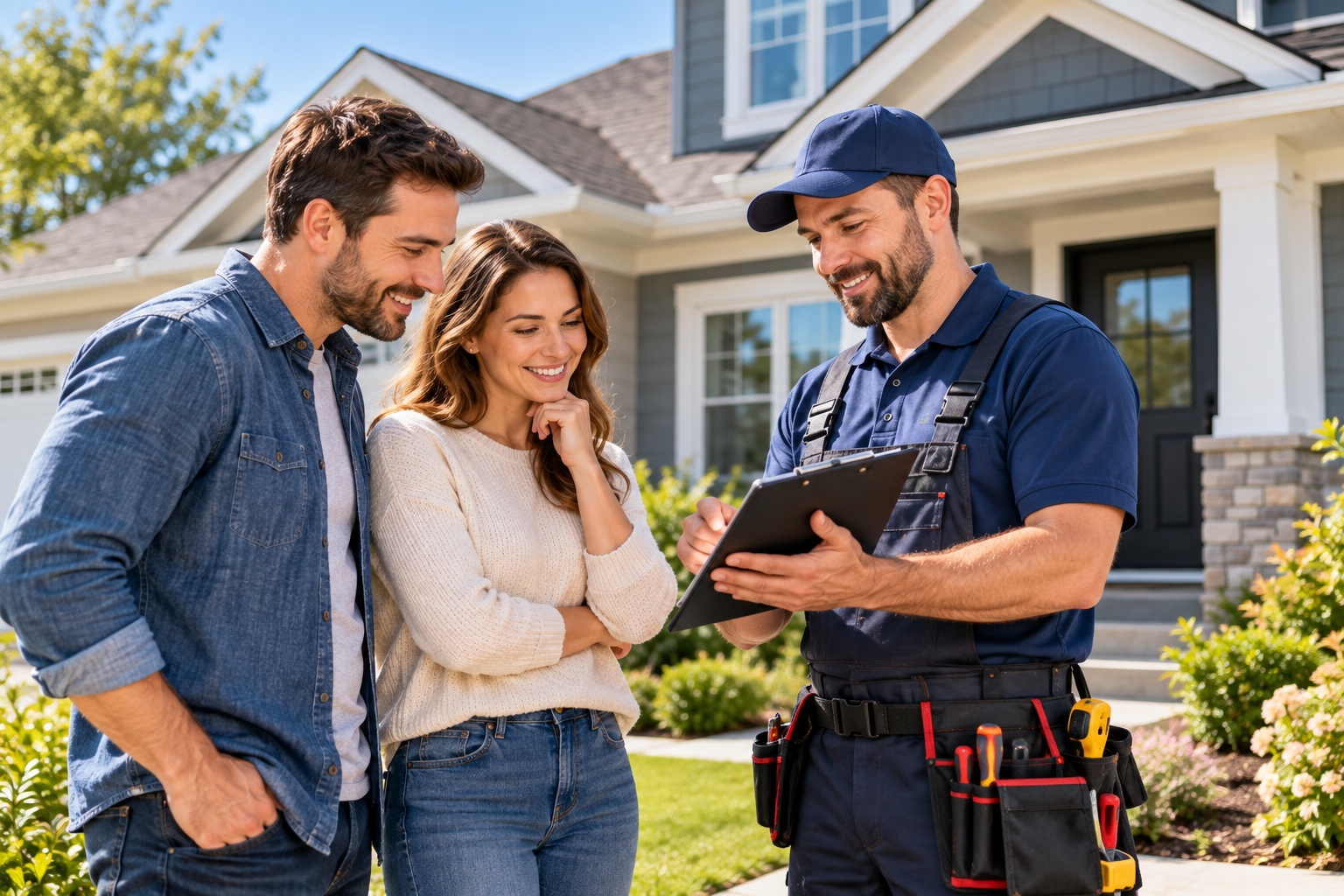
Choosing from various types of siding for homes can be overwhelming. Easy Home Service simplifies the process by connecting you with experienced professionals who understand local building requirements and climate conditions.
We help you:
With expert support, you can confidently select the best siding for your home.
Ready to improve your home’s durability and appearance?
Get connected with trusted siding professionals through Easy Home Service and start your upgrade today.
Choosing the right types of siding for homes is about more than aesthetics; it’s about long-term protection, energy efficiency, and value. With so many options available, understanding materials, climate suitability, and maintenance requirements is essential.
By working with trusted professionals through Easy Home Service, homeowners can ensure their siding investment delivers lasting performance and peace of mind.
The best siding depends on your climate conditions, budget, and maintenance preferences. Fiber cement and vinyl are among the most popular options in the US.
Vinyl siding is generally the most affordable option, offering durability and low maintenance.
Vinyl and metal siding require the least maintenance compared to wood or stucco.
Fiber cement, brick, and stone siding typically provide the highest return on investment. They not only improve the aesthetic appeal but also withstand weather and extreme conditions.
Brick and stone can last over 50 years, while fiber cement also offers long-term durability.
Most siding types last between 20 and 50 years, depending on the material and maintenance.
Vinyl and metal siding are highly resistant to water when properly installed.
Suggested Reads
Find Top Rated Service Providers
We help you find top service providers and compare quotes.








Leave a Comment: