Your Go-To for Complete Home Solutions and Trusted Excellence
Your Go-To for Complete Home Solutions and Trusted Excellence
HVAC

By Ar. Daisy,
February 19, 2026


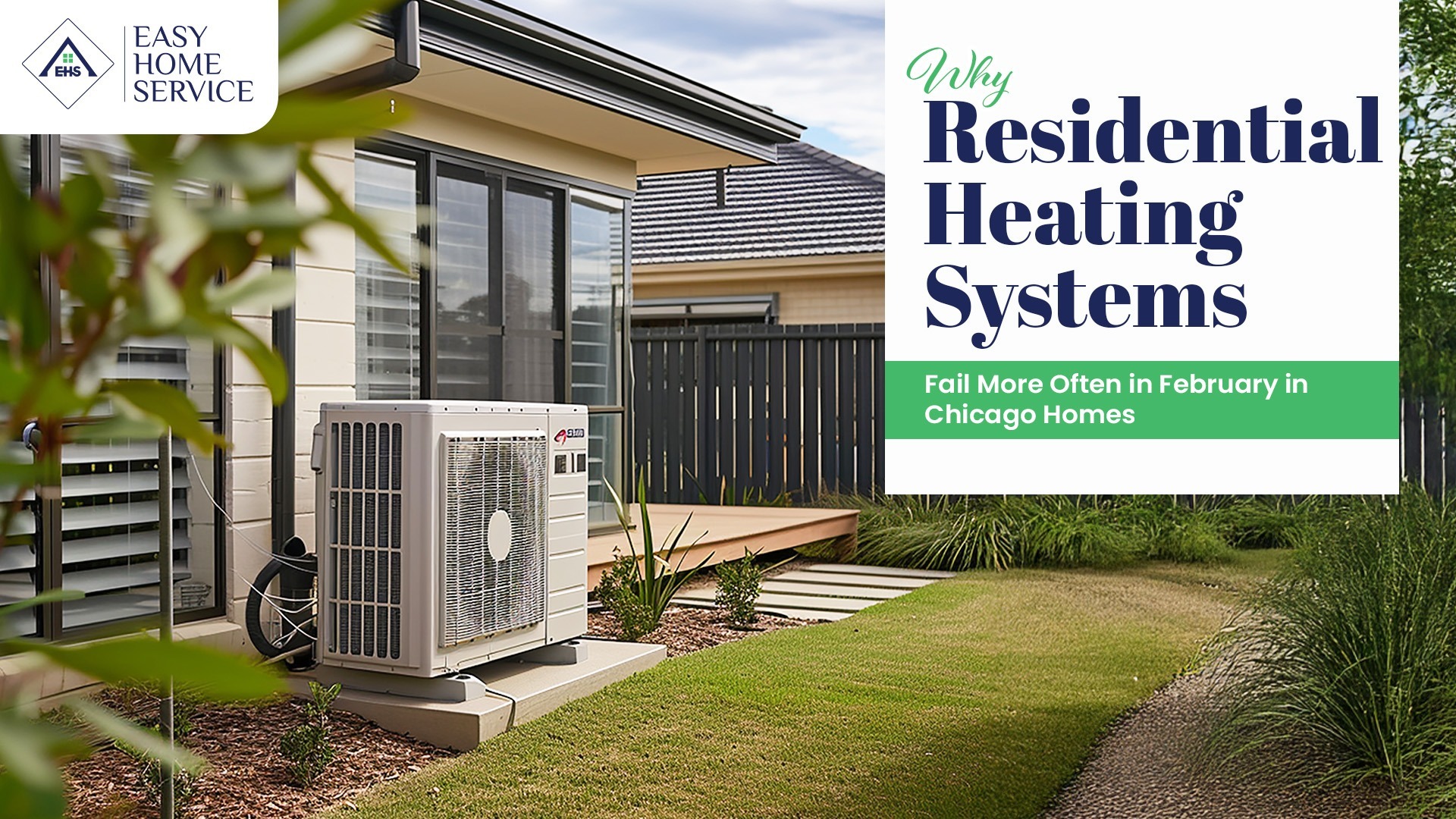
Every winter, Chicago homeowners brace for cold weather. However, the real HVAC danger period isn't December or even January; it is February. That’s when residential heating system and air conditioning systems are pushed to their limits. Heating systems that appeared reliable earlier in the season suddenly stop working, leaving homes dangerously cold.
Emergency service calls surge across the city, and many homeowners end up searching for furnace repair in Chicago or emergency heating repair in Chicago during the coldest days of the year.
This pattern is not random. February failures are caused by a combination of climate stress, installation problems, and maintenance neglect. The states’ long heating season forces furnaces and heat pumps to operate continuously for weeks, exposing weaknesses that weren’t noticeable earlier in winter.
A homeowner can avoid heating system emergencies, save on repair costs, and even choose the best HVAC system for a cold-weather home by understanding the reasons for February heating system failures in Chicago.
Chicago winters are not just cold; they are persistent. Temperatures frequently remain below freezing for days, and wind chills can push conditions far below zero. Heating systems must maintain indoor temperatures around 68–72°F while outdoor temperatures can drop to near 0°F. Such a temperature difference puts excessive stress on the heating and cooling systems of houses.
Unlike milder climates, where furnaces cycle on and off, Chicago systems often run nearly nonstop. A furnace might have gone through hundreds of hours of operation already by February. The continuous use of the motor, ignition parts, and air system develops wear and tear. Eventually, the system reaches a breaking point.
During severe cold waves, many residents lose heat entirely. A recent Chicago report described families dealing with broken furnaces during extreme cold weather and struggling to keep themselves warm at home.
This highlights why heating repair in Chicago becomes critical in late winter rather than early winter.
Early winter exposes a system to cold. Late winter exposes a system to exhaustion. Heating systems do not break down just because it gets colder outside. Heating systems break down when components are constantly used for months without a break.
By February, several things happen at once. Air filters become clogged from months of recirculated indoor air. Blower motors overheat due to restricted airflow. Ignition sensors weaken after thousands of cycles. Even metal components expand and contract repeatedly due to temperature changes. Eventually, the system cannot maintain safe operation and shuts down.
Chicago regularly experiences sub-zero temperatures and strong lake-effect winds. Wind chill dramatically increases heat loss from homes. Your heating system has to compensate, meaning:
Another overlooked cause of Chicago heating system issues is the incorrect sizing of the system. Many homes have furnaces that are either too small or too large. Improper sizing causes short cycling or constant running, dramatically shortening lifespan. HVAC sizing mistakes are a well-known problem in buildings and residential systems.
Incorrect installation is usually the hidden culprit behind the furnace replacement Chicago homeowners later require.
Homeowners frequently experience similar furnace issues each February. Ignition failure is extremely common because cold air and condensation interfere with electronic igniters. Also, the exhaust vents may freeze, causing the furnace to shut down for safety. Besides, blower motors wear out after continuous running, and clogged filters result in overheating and shutdowns.
One of the most serious problems is a cracked heat exchanger. This issue forces a furnace to stop operating and may create a carbon monoxide risk. When this occurs, If this happens, heating repair in Chicago should be your first call, and it might even result in a system replacement.
A frequent complaint from homeowners is that the furnace runs, but the home still feels cold. Initially, this indicates that there might be a problem with the airflow or efficiency rather than the heating unit being totally malfunctioned.
Poor insulation allows heat to escape faster than the furnace can produce it. Leaky ducts prevent warm air from reaching certain rooms. A failing blower motor reduces air circulation. Even a clogged filter can reduce heating output dramatically. These situations often cause homeowners to believe they need a new system when the actual problem is repairable.
Most times, heating repair experts in Chicago help restore the heating system to its proper working condition without necessitating a complete replacement.
Modern residential heating and air conditioning systems increasingly include heat pumps. Heat pumps are highly efficient because they transfer heat rather than generating it. However, the choice of system becomes crucial in an extreme cold region like Chicago.
Furnaces still provide the strongest heating capacity during deep winter. Heat pumps work very efficiently at moderate cold temperatures, but with sub-zero conditions, they may not be capable enough. Hence, the majority of HVAC professionals these days are recommending dual-fuel systems that combine a furnace and a heat pump.
This duo offers trustworthy performance and energy efficiency and is generally regarded as the most efficient heating and cooling system for a house in cold climates.
In Chicago, heat pump installation is growing, especially in newer homes, because homeowners want energy savings without sacrificing winter reliability.
Heating systems rarely fail without warning. Homeowners often overlook early signals. Increasing energy bills, uneven room temperatures, and unusual noises usually appear weeks before complete failure. Some homeowners notice their furnace running constantly while producing little heat. Others hear rattling or banging sounds inside ductwork.
These symptoms indicate developing furnace problems that Chicago residents should address immediately. Waiting until the system stops completely often leads to emergency heating repair in Chicago calls during the coldest weather.
Emergency heating repair in Chicago is usually appropriate when the problem involves ignition components, sensors, or airflow restrictions. Replacement becomes necessary when the system is older than 15–20 years, the heat exchanger is damaged, or breakdowns occur repeatedly.
While repairs may temporarily restore heating, an aging system becomes unreliable during extreme cold. Most of the time, furnace replacement in Chicago is the last resort for long lasting effect.
Choosing the Best HVAC System for a Home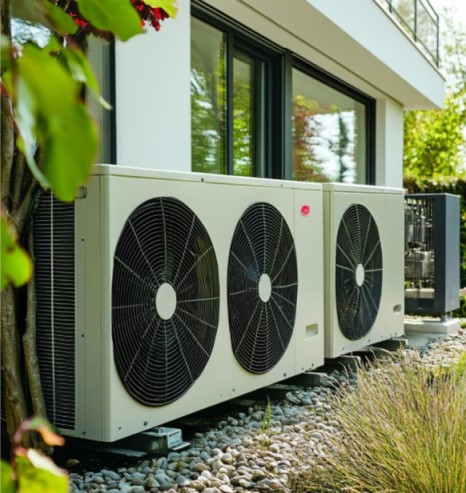
Selecting the best HVAC system for a home in this region requires considering climate, insulation, and operating cost. Gas furnaces remain reliable for harsh winters. Heat pumps improve efficiency in milder weather. Hybrid systems combine both benefits.
The best way to heat your home is not simply by installing a powerful furnace. It also includes proper sizing, insulation, duct sealing, and professional installation. Even a top-class efficiency unit is going to have a hard time if the airflow or installation is wrong.
Easy Home Service connects homeowners with qualified HVAC professionals specializing in residential heating and air conditioning. Whether you need furnace repair in Chicago, heating repair, heat pump installation, furnace replacement, or emergency heating repair in Chicago, we help you find reliable technicians quickly.
We help homeowners compare estimates, schedule urgent winter repairs, and choose the most efficient heating solution for their home and budget.
Heating system failure in Chicago is not unpredictable; it follows a pattern created by climate, system fatigue, and maintenance habits. February places the greatest demand on residential heating systems, revealing hidden weaknesses and installation issues. By recognizing warning signs early and scheduling preventative service, homeowners can avoid dangerous cold-weather breakdowns and expensive emergency repairs.
With proper maintenance and the right system, your home can remain comfortable all winter. Through appropriate maintenance and with a suitable system, your home won't be chilly even in the coldest months. Easy Home Service is a platform that enables you to get in touch with reliable HVAC technicians in Chicago for heating repair so that you can secure your home, your comfort, and your safety when the State faces its harshest weather.
Yes. Modern cold-climate heat pumps operate efficiently in Chicago’s winter conditions. However, most homes benefit from a furnace backup system during extreme sub-zero temperatures.
Minor furnace repairs typically cost between $150 and $600, depending on the issue. Major component replacements such as blowers or heat exchangers may significantly increase repair costs.
Homeowners’ insurance usually does not cover furnace breakdowns caused by normal wear and tear. Coverage generally applies only to sudden damage from covered events like fire or storms.
The most common reasons include clogged air filters, ignition system failures, thermostat malfunctions, or power supply issues.
First, check the thermostat settings, ensure power is connected, and inspect the air filter. If the system still does not start, contact a licensed HVAC technician for professional diagnosis and repair.
You should call a professional HVAC technician that provides emergency heating repair services in Chicago, such as Easy Home Service.
This often results from insulation issues, duct leaks, airflow blockages, or uneven heat distribution rather than a completely failed furnace.
Suggested Reads
✔Why High-Efficiency Heat Pumps Are the Smartest Upgrade for Modern Homes
Find Top Rated Service Providers
We help you find top service providers and compare quotes.








Leave a Comment: