Your Go-To for Complete Home Solutions and Trusted Excellence
Your Go-To for Complete Home Solutions and Trusted Excellence
Home Improvement

By Ar. Daisy,
September 29, 2026



Finding someone to work on your home is easy. Finding the right home service professional for the job is where things get complicated.
A search for “roof repair near me” or “HVAC company near me” can produce dozens of names in seconds. The harder questions come afterward: Does this company actually handle the type of work you need? Is the estimate detailed enough to compare? Who will show up at your house? What happens if the project uncovers a bigger problem?
For U.S. homeowners, the safest approach is to treat hiring a home service professional as a short decision-making process rather than a race to find the lowest price.
This guide walks through that process and explains what to look for when hiring professionals for HVAC, roofing, plumbing, electrical, windows, gutters, remodeling, solar, handyman work, and other home services.
Not every home issue requires outside help, but knowing where that line sits saves you time, money, and in some cases, real damage to your property. Home repairs and maintenance generally fall into six categories, and each one comes with its own timeline for calling in a professional.
Routine maintenance is the easiest to plan for because it's predictable. HVAC systems, for example, perform better and last longer when they're serviced on a set schedule rather than only when something breaks. A basic HVAC maintenance calendar looks something like this: filter checks every one to three months, a professional tune-up for the cooling system in spring, and a separate tune-up for the heating system in fall, before either one gets pushed to its limit.
Septic tank inspection and maintenance falls into this same routine category, though it's easy to forget because the tank is out of sight. Most residential septic systems need a professional inspection every one to three years and a pumping every three to five years, depending on household size and tank capacity. Skipping this leads to backups, drain field failure, and repair bills that dwarf the cost of regular maintenance.
Unexpected repairs are the opposite situation: a pipe bursts, a breaker keeps tripping, or a storm knocks shingles off the roof. These calls can't be scheduled around convenience. What matters here is having already done some homework on which local professionals you'd call, so you're not researching a plumber for the first time while water is spreading across your floor.
Home upgrades cover projects that improve comfort or function without a full renovation: replacing old windows, adding a tankless water heater, and upgrading a bathroom vanity. These are less urgent, which gives you room to compare quotes and timelines properly.
Renovation projects are the largest undertakings, full kitchen remodels, bathroom overhauls, room additions, and they benefit the most from advance planning. Before hiring anyone for work at this scale, it's worth taking the time to plan a home renovation so your budget, timeline, and priorities are settled before contractors start bidding on the job.
Seasonal preparation includes gutter cleaning before fall storms, roof inspections before winter snow load, and irrigation system winterization before the first freeze. These tasks are easy to postpone, which is exactly why they cause the most damage when skipped.
Safety-related issues should never wait. Gas smells, exposed wiring, structural cracks, or signs of mold require a licensed professional immediately, regardless of cost or scheduling convenience.
Once you've identified that a project needs outside help, the next question is which type of professional to call. This sounds obvious for major systems, but a lot of homeowners default to a general handyman for jobs that actually require a specialist, or the reverse, hiring a specialist for something a generalist could handle for less.
A home inspection report is one of the most useful tools for sorting this out, especially for homeowners who just purchased a property or are preparing to sell. These reports break down issues by system: electrical, plumbing, roofing, HVAC, structural, and note which items need immediate attention versus ongoing monitoring. Here's a general breakdown of common home projects and the professionals each one calls for:
|
Home Problem or Project |
Professional to Consider |
What They Can Help With |
|
Heating or cooling problems |
HVAC professional |
Diagnosis, repair, maintenance, installation, or replacement |
|
Roof leaks or visible damage |
Roofing professional |
Leak inspection, repairs, ventilation, or roof replacement |
|
Plumbing issues |
Plumber |
Leak detection, drainage problems, pipe repairs, and fixtures |
|
Electrical problems or upgrades |
Electrician |
Troubleshooting, repairs, installations, and electrical upgrades |
|
Drafty or damaged windows |
Window professional |
Window repair, replacement, and installation |
|
Clogged or damaged gutters |
Gutter professional |
Cleaning, repair, replacement, and drainage improvements |
|
Small home repairs |
Handyman |
Minor repairs, installations, adjustments, and maintenance tasks |
|
Kitchen upgrades |
Kitchen remodeling professional |
Cabinets, countertops, fixtures, layout changes, and remodeling |
|
Bathroom upgrades |
Bathroom remodeling professional |
Fixtures, surfaces, storage, flooring, and renovation work |
Kitchen and bathroom remodels often involve several trades at once (plumbing, electrical, tile, cabinetry), which is why many homeowners hire a remodeling professional who coordinates the subcontractors rather than managing each trade separately.
If you're still in the early stages of deciding what a project should even look like, browsing home improvement ideas before you start calling contractors can help you walk into those first conversations with a clearer picture of what you want, which tends to produce more accurate quotes.
You’ve checked the reviews, compared estimates, and know what questions to ask—but finding the right professional can still take time. Easy Home Service helps you move from searching to connecting with home service professionals who can help with your specific project. Don’t keep calling around when you already know what needs to be done. Explore Easy Home Service and connect with the right professional for your home.
Two estimates can look dramatically different even when both contractors appear to be quoting the same project.
That does not automatically mean one contractor is overcharging.
The estimates may use different materials, include different preparation work, assume different repair methods, or leave certain tasks out entirely.
For example, a roof estimate might include removal of existing materials, replacement of damaged decking, flashing work, ventilation improvements, cleanup, and disposal. Another quote might focus only on installing the new roofing material.
Comparing the final dollar amount without comparing the scope can lead to a misleading conclusion.
When reviewing an estimate, look for:
A detailed estimate gives you something concrete to compare.
The lowest estimate is not always the most practical choice. Before comparing numbers, look at the company’s experience, reputation, documentation, communication, and the scope of work included in the proposal.
The Federal Trade Commission recommends getting recommendations, checking a contractor’s background and reputation, comparing multiple estimates, and putting the project details in writing. Requirements for home improvement work can differ depending on the state, county, city, and type of project, so homeowners should check with the appropriate local or state authority to understand what applies to their job.
Ask the company what documentation applies to the type of work being performed and request copies when appropriate. This is particularly important for projects involving major home systems, structural work, electrical work, plumbing, HVAC, roofing, or other specialized services.
Insurance is another important consideration. Ask what type of coverage the company carries and whether that coverage applies to the work being performed at your property.
A professional-looking website, company vehicle, or large number of online reviews should not be your only reason for choosing a provider. Take a few extra minutes to verify the information behind the company before agreeing to the work.
A five-star average tells you less than the actual comments behind it.
Read recent reviews and look for repeated patterns.
Are customers mentioning:
One unhappy review does not necessarily tell the whole story. Several reviews describing the same issue are more useful.
Also check whether the company responds to complaints professionally and explains how problems were handled.
A reference should be relevant to your project.
If you need a major roof replacement, ask about similar roofing projects rather than accepting a reference from someone who hired the company for a minor repair.
For remodeling work, ask to see projects with a comparable scope and finish level.
The goal is not simply to prove that the company has customers. You want evidence that it has experience with the kind of work you are considering.
Hiring a home service professional is not the end of the process. It is the beginning of the project.
Before work starts, confirm the practical details.
Ask whether the company’s own employees will complete the job or whether portions will be handled by subcontractors.
This matters particularly on larger remodeling projects.
You should know who is responsible for the overall project, who to contact with questions, and who will be performing specialized portions of the work.
Older homes can reveal surprises once walls, flooring, ceilings, or fixtures are opened.
A contractor may discover damaged framing behind a wall or outdated plumbing that was not visible during the initial visit.
That does not automatically indicate a problem with the contractor.
What matters is how the additional work is handled.
Ask:
Having a process for unexpected conditions is much better than arguing about an extra charge after the work is complete.
Home service is not only about emergency repairs. Regular maintenance can help homeowners identify problems while they are still manageable.
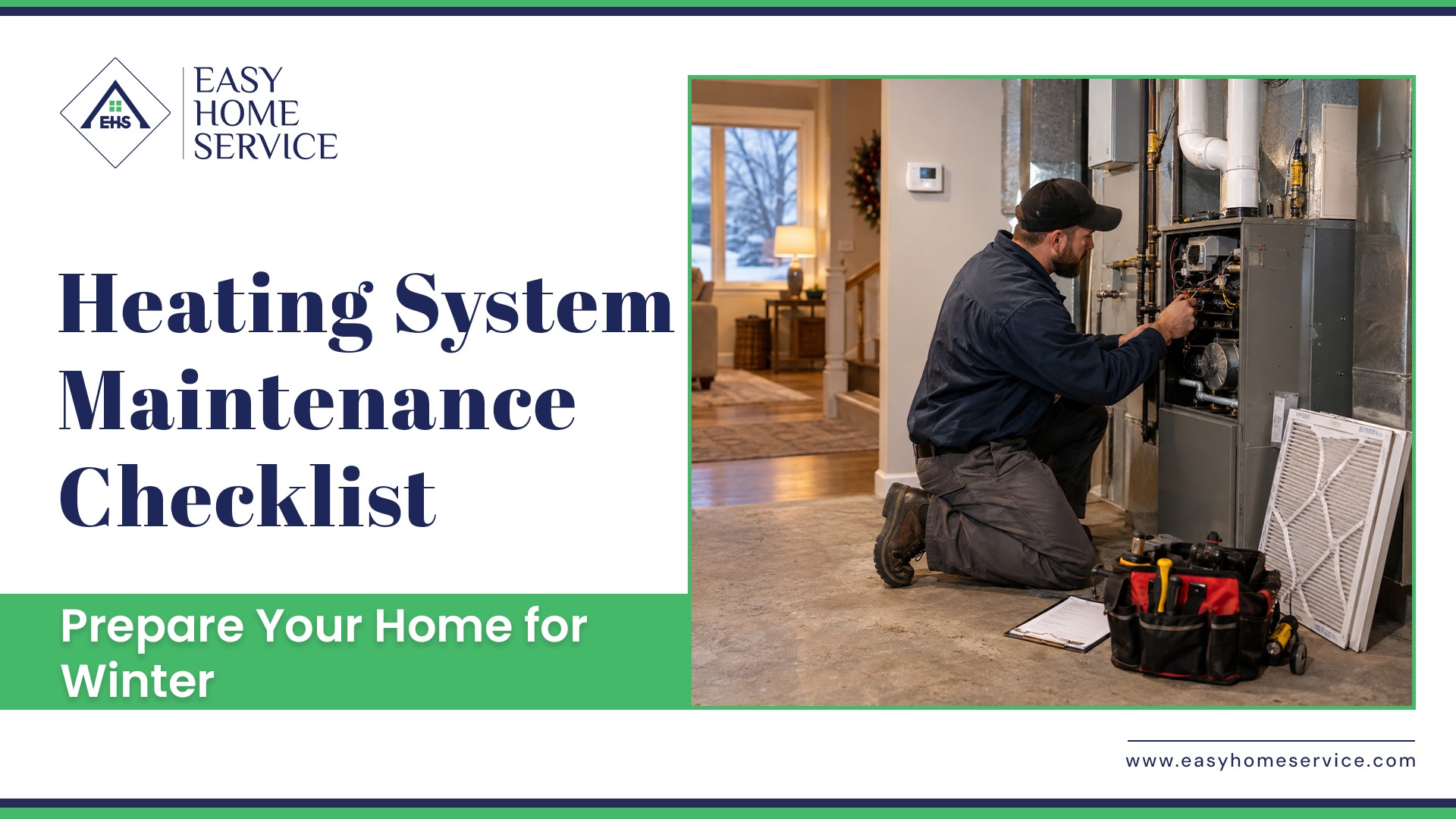
For HVAC systems, ENERGY STAR recommends checking filters regularly and arranging professional pre-season maintenance for heating and cooling equipment. It suggests scheduling cooling-system service in spring and heating-system service in fall. For homeowners preparing their heating equipment for colder weather, a heating system maintenance checklist can help organize the important seasonal tasks.
That makes a seasonal maintenance plan more practical than waiting for the first extremely hot or cold day of the year. The same principle applies to other areas of the home.
Check the air filter regularly, keep outdoor equipment clear of debris, and schedule seasonal system checks. ENERGY STAR notes that restricted airflow can affect comfort, efficiency, and equipment life.
Look for overflowing gutters, loose sections, visible roof damage, damaged flashing, or water stains inside the home. Problems that appear minor from the ground can become more complicated when water repeatedly enters areas where it should not.
Pay attention to slow drains, recurring clogs, water stains, unusual odors, or unexplained changes in water pressure. Kitchen plumbing deserves particular attention because frequent use can make small leaks, drainage issues, and fixture problems easier to overlook. Understanding common kitchen plumbing repairs and maintenance costs can also help homeowners recognize when a recurring issue needs professional attention.
Drafts, condensation between panes, damaged seals, difficulty opening windows, and deteriorating frames can all justify an inspection. Depending on the condition, repair may be appropriate in some cases while replacement makes more sense in others.
If your property uses a septic system, maintenance should be part of the household calendar even when everything appears normal. Regular inspections and timely pumping can help homeowners identify developing problems before they turn into disruptive backups or more extensive system issues. Homeowners can also review septic tank inspection and maintenance practices when planning their property's routine care.
The U.S. Environmental Protection Agency generally recommends septic inspections every one to three years and pumping every three to five years, although the appropriate schedule depends on factors such as household size, water use, tank size, and system design.
Keeping records of inspections, pumping, repairs, and other service work can also make future maintenance easier.
Once you know which service you need, make your search local and specific.
Instead of searching for “contractor,” use the actual problem and your location. For example:
Then compare information from several sources.
The goal is to build a short list rather than contact every company that appears in search results. Three to five potential providers is usually enough for a meaningful comparison on a non-emergency project.
A short conversation can reveal a surprising amount about how a company operates.
Ask:
For larger work, also ask about cleanup, disposal, permits, inspections, and the process for resolving concerns after completion.
You are not being difficult by asking these questions. You are making sure both sides have the same understanding before money and materials are committed.
Before choosing a provider, run through this checklist:
Before contacting anyone
While comparing providers
Before work begins
After completion
This process does not eliminate every risk. It does make the hiring decision much less dependent on guesswork.
The hardest part of hiring home service professionals is often the amount of searching required before you can even start comparing options.
Easy Home Service brings multiple home service categories into one place, including HVAC, roofing, plumbing, electrical, windows, gutters, kitchen and bathroom remodeling, solar, and handyman services.
That makes the platform useful when you know what needs attention but do not want to start from a dozen separate searches.
For homeowners, the practical advantage is simple: identify the project, find providers who work in that service category, and compare your options before making a decision.
Whether you are dealing with a leaking roof, an aging HVAC system, a plumbing problem, a home improvement project, or a list of smaller repairs, the same principle applies: choose based on fit, documentation, experience, scope, and communication—not price alone.
Whether it’s a repair that’s getting worse, maintenance you’ve been putting off, or a project you’re finally ready to start, the next step is finding a professional who can get the job done. Tell Easy Home Service what you need, explore the available service options, and take the next step toward getting your project handled.
Your home deserves more than a rushed search when something goes wrong. Whether you are dealing with an HVAC issue, planning a kitchen upgrade, replacing windows, fixing a roof, or simply working through a list of repairs, having the right professional can make the entire process easier to manage.
The first step is knowing what your home needs. The next is finding someone who works with that type of project and fits your timeline, expectations, and budget.
That is where Easy Home Service can help. Instead of jumping between different searches for HVAC, roofing, plumbing, electrical, windows, gutters, remodeling, solar, and handyman services, you can start your search in one place and explore service options for your home.
Ready to tackle the next project on your list? Start with the service you need, share the details of the job, and connect with home service professionals who can help you move from “I need to fix this” to a clear plan for getting it done.
Find Top Rated Service Providers
We help you find top service providers and compare quotes.










Leave a Comment: