Your Go-To for Complete Home Solutions and Trusted Excellence
Your Go-To for Complete Home Solutions and Trusted Excellence
Home Improvement

By Ar. Daisy,
July 22, 2026



You've probably already picked the countertop color. Maybe you've saved dozens of kitchen ideas to Pinterest or watched the same home renovation episode more than once just for the before-and-after reveal.
That's the fun part.
What usually doesn't make it onto social media is what happens a few weeks into the project when a contractor discovers outdated wiring behind a wall, hidden water damage beneath the flooring, or a plumbing issue that wasn't part of the original estimate. Suddenly, the budget changes, decisions pile up, and the timeline you had in mind starts slipping.
That's why learning how to plan a home renovation before work begins matters so much.
A successful renovation starts with more than choosing paint colors and finishes. You need to define your goals, assess your home's condition, establish a realistic budget, prioritize projects, choose the right professionals, and determine the correct order for the work.
That's exactly what this step-by-step home renovation guide covers. We'll walk through setting realistic goals, honestly assessing your home's current condition, building a home renovation budget that can survive contact with reality, prioritizing which projects matter most, and sequencing the work so trades aren't tripping over each other. Whether you're updating a single bathroom or redesigning the whole house, by the end you'll have a plan that makes the process feel manageable instead of something that's just happening to you.
Each successful renovation starts even before the first wall opens or the cabinet first put in place. Careful home renovation planning can help to prepare costs, coordinate contractors and eliminate any surprises that might hinder your renovation.
If you don't have a plan it's easy to make decisions based on emotion instead of prioritizing. For instance, a homeowner might spend thousands of dollars on custom-designed kitchen cabinets, but later discover that their electrical systems requires an upgrade. This type of situation often forces homeowners to increase their budgets, or delay crucial repairs.
Planning ahead can provide many benefits:
Sets realistic expectations regarding costs and timelines
Reduces the needless expenditure
Reduces the amount of time that delays are caused by a lack of materials or scheduling conflicts.
Facilitates comparison of estimates of contractors.
Improves the communication between professionals
Helps protect your home's value over time
Imagine your renovation plan as a map. The more precise your plan is before work begins, the fewer detours you'll encounter along the way. Careful planning helps you stay on budget, avoid delays, and keep your project moving smoothly.
Before requesting estimates or shopping for materials, ask yourself one simple question:
Every next decision will be influenced by your response.
While some homeowners make renovations to enhance everyday comfort, others concentrate on raising the property's resale value or getting an older home ready for long-term ownership. Determining where your money will have the greatest influence is made easier when you are aware of your main objective.
Your house might not meet the needs of your family. Perhaps the kitchen is unorganized, your bathroom is lacking storage space, or the basement could be transformed into an office for your home.
Renovations to kitchens and bathroom renovations flooring replacement, roofing repairs often yield a high returns on investment when executed with care.
Replacing windows that are old or upgrading insulation, installing modern HVAC equipment or enhancing ventilation will help reduce your monthly energy bills while also making your home more all-year-round comfortable.
Certain renovations concentrate less on style and more on security. Plumbing leaks, dated electrical panels, roofing that is damaged or worn flooring must be dealt with prior to any cosmetic enhancements.
A lot of homeowners desire their home to reflect their personal style by incorporating modern furniture, finishes, lighting and fixtures.
What problems am I trying to solve?
Which rooms need attention first?
Am I renovating for myself or future buyers?
What features are non-negotiable?
Which upgrades can wait?
Writing down your answers creates a clear foundation for the rest of your renovation planning guide.
One of the biggest home renovation mistakes is focusing only on visible upgrades while ignoring hidden problems.
Before finalizing your renovation plans, take time to evaluate your home's overall condition. Cosmetic improvements should never cover issues that could become expensive repairs later.
Inspect the following areas:
Look for foundation cracks, sagging floors, water intrusion, or damaged framing that may require professional evaluation.
Check for slow drains, leaking pipes, water pressure issues, and aging fixtures. Older homes often benefit from plumbing updates before walls are closed.
Outdated wiring, overloaded circuits, or insufficient outlets should be corrected before installing new finishes or appliances.
An aging heating and cooling system may struggle to support newly renovated spaces. If your renovation includes room additions or layout changes, your HVAC system may need modifications to maintain comfort and efficiency.
Roof leaks can damage new drywall, flooring, and insulation if left unresolved.
Uneven floors or moisture damage beneath existing flooring should be repaired before installing new materials.
Drafty windows and poorly sealed doors reduce energy efficiency and affect indoor comfort.
The latest home improvement trends can transform your living space, but lasting results start with a solid foundation. Before investing in stylish finishes or modern upgrades, address any structural, roofing, plumbing, HVAC, or electrical issues that could lead to costly repairs later.
Once your home's essential systems are in good condition, you can confidently explore the latest design ideas, smart home features, and renovation trends that add beauty, comfort, and long-term value.
A renovation could be just as simple as replacing your flooring that's worn out, and other renovations reveal issues that weren't apparent for many years. Homeowners are often forced to take out cabinets or drywall to discover a faulty wiring system or pipes that are leaking, or inadequate insulation hidden behind walls. This is why the cost of renovations can increase after the construction begins.
Understanding the types of services that are typically required makes it simpler to make a realistic budget and to avoid unexpected costs.
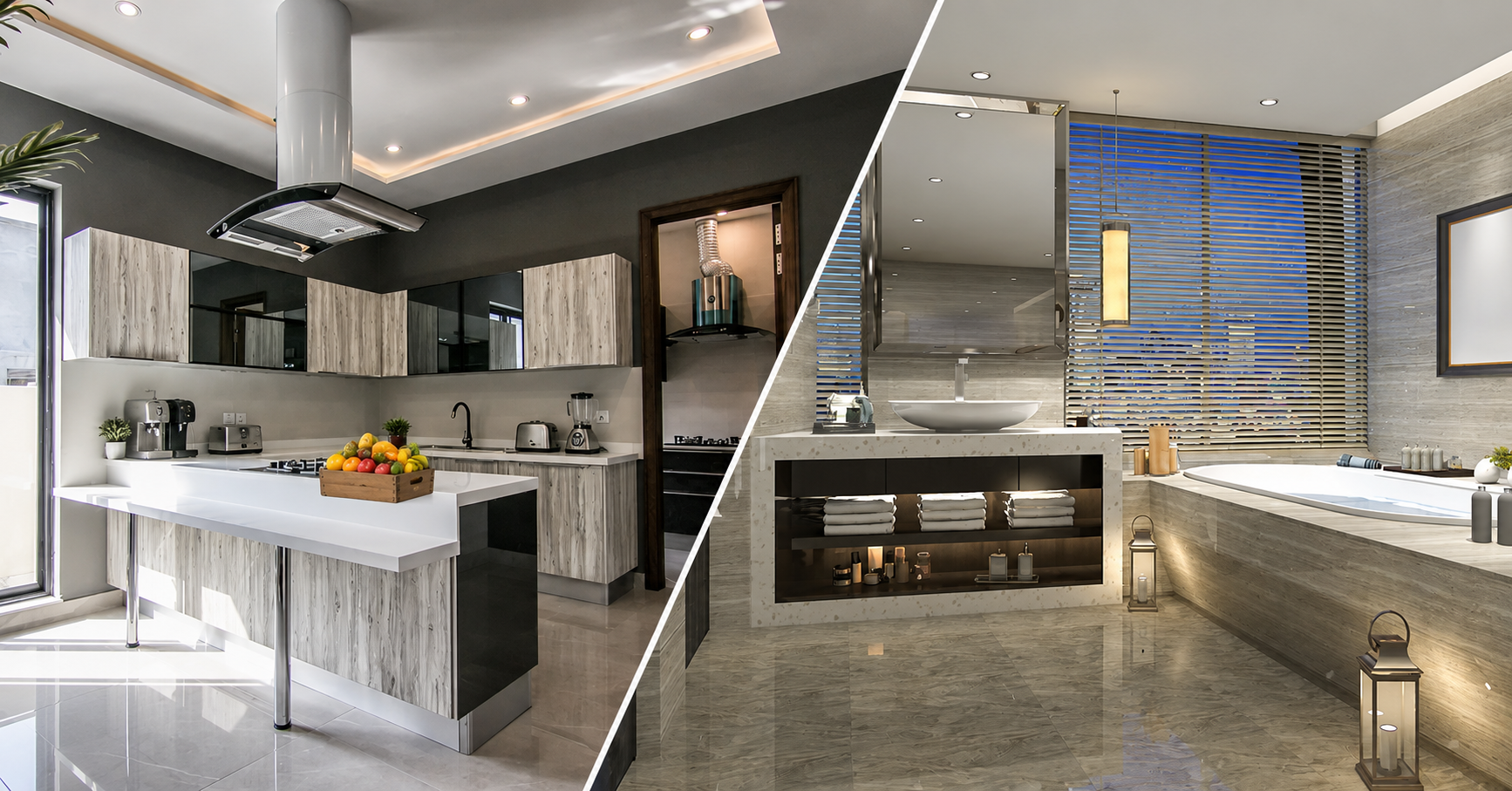
These rooms usually require more work than most people anticipate. The installation of new cabinets or the replacement of showers usually require the electrical and plumbing systems are installed first. When those systems are upgraded flooring, tile, fixtures and countertops will be added later. The coordination of everything helps prevent situations in which work that was completed needs to be taken away because a fix was missed.
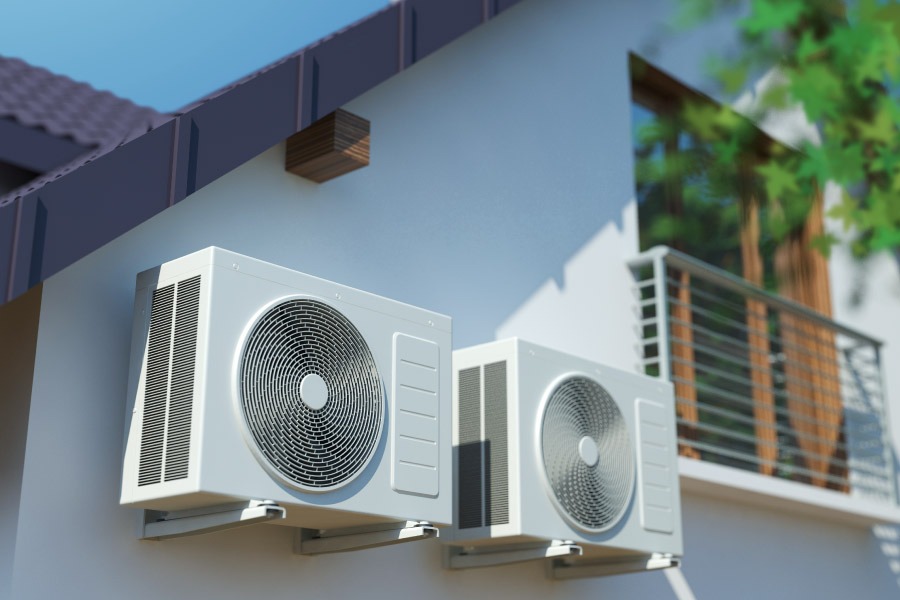
Renovations are a great chance to see beyond what you're able to observe. If you're removing walls or completing a basement or altering the design of your house it is likely that your cooling and heating system might require adjustment also. Many homeowners notice that rooms don't stay at a comfortable temperature due to old the ductwork or inadequate airflow. Inspecting HVAC or ventilation duct problems during the renovation process is typically much less difficult than opening the walls one year later.
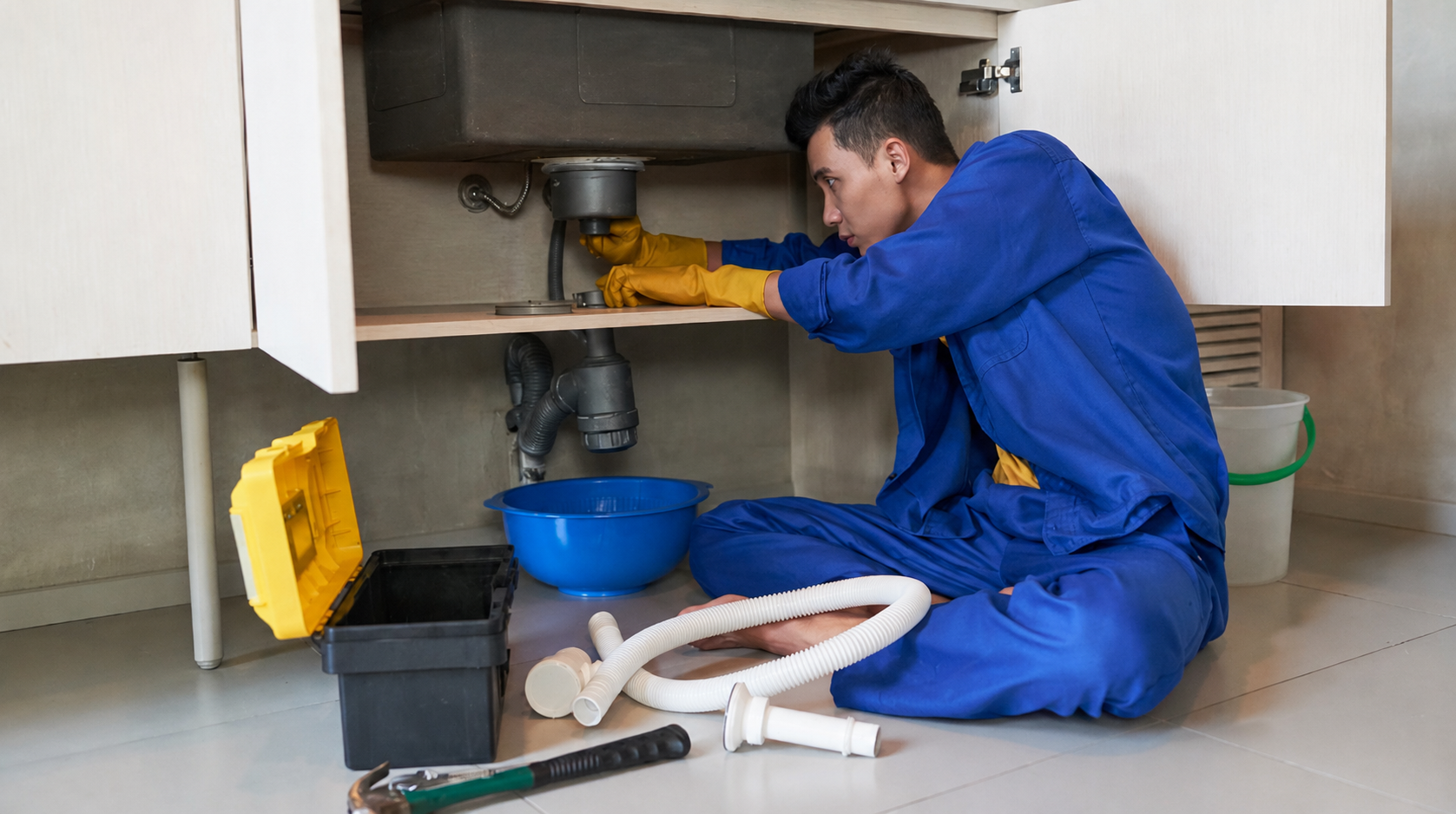
Older homes are often perfectly until the renovation starts. There are a few small issues that show up. Pipes could be at its end life The electrical panels might not be able to handle modern appliances, or there may not be enough outlets to support today's demands. Because the contractors have already access to the walls, a lot of homeowners opt to make the renovations before wall drywall, paint or cabinets are put in place.

Fresh paint and new flooring are usually the ones that people first notice But they should be seen after the completion of the work. Workers who work with ladders, tools and other tools around the house may cause damage to surfaces they've finished. Waiting until the work is done will keep the final touches appearing as nice as they did at the beginning.

Planning home remodeling while neglecting problems outside could result in costly back-ups. A small leak on the roof or a damaged gutter might not be a major issue but water can be a problem taking its route inside. Making repairs to exterior problems prior to making the investment in new finishes will help safeguard everything you've put in time and money on.
Home renovations are not based on one trade. One project could require electricians, plumbers, HVAC technicians, painting contractors, flooring installers and roofers, all at various stages. The task of coordinating all these people can be stressful, particularly in the event that one issue impacts the entire timetable. Easy Home Service helps homeowners get in touch with experts to avail a variety of improvements to their homes, which makes it easy to look through options and identify the best people for each stage of the remodelling process.
Kitchens deserve their own section because they combine more trades, more decisions, and more potential for cost overruns than almost any other room in the house.
Start with layout before finishes. Decide whether you're keeping the existing footprint or moving the sink, range, or major appliances. Moving plumbing or gas lines adds real cost, so know early whether your layout change is worth the added expense.
Rough-in work comes first. Once the layout is locked in, electrical and plumbing rough-in has to happen before kitchen cabinets are installed. Trying to work around this order almost always means paying to undo finished work later.
Sequence the trades deliberately. A typical kitchen remodel moves through demolition, then electrical and plumbing rough-in, then drywall and paint, then cabinet installation, then countertops, then backsplash and fixtures, and finally appliances. Skipping ahead in this order is one of the most common ways a kitchen project runs over budget.
Plan for a temporary kitchen. Most kitchen remodels take 6 to 10 weeks, and you'll likely be without a functioning kitchen for a portion of that time. Set up a temporary space with a microwave, a mini fridge, and a folding table well before demolition starts.
Order long-lead items early. Custom cabinets and specialty countertop materials can take weeks to arrive. Ordering them as soon as your design is finalized helps keep the rest of the schedule on track.
If you're working through kitchen remodel planning right now, treat it as its own mini-project inside the larger renovation, with its own budget line, its own timeline, and its own contingency fund.
A well-planned home renovation budget is one of the most valuable tools you'll have throughout your project.
Many homeowners underestimate renovation costs because they focus only on materials and labor. In reality, every project also includes permits, inspections, demolition, waste removal, design changes, and unexpected repairs.
Start by determining the maximum amount you're comfortable spending. Then divide your budget into categories so every dollar has a purpose.
|
Expense Category |
Suggested Budget Allocation |
|
Labor |
35-45% |
|
Materials |
30-35% |
|
Permits & Inspections |
3-5% |
|
Design & Planning |
5-10% |
|
Fixtures & Finishes |
8-12% |
|
Contingency Fund |
10-20% |
Even carefully planned renovations uncover surprises.
You might find outdated wiring behind drywall, hidden water damage beneath flooring, or structural repairs that weren't visible during the initial inspection. Setting aside at least 10% to 20% of your budget helps you handle these situations without disrupting the entire project.
Planning your budget is easier when you understand local labor costs and available service options. Easy Home Service helps homeowners compare quotes from experienced professionals so you can make informed decisions before committing to a renovation project.
Not every renovation needs to happen at the same time. Breaking projects into priority levels keeps your budget manageable and helps you focus on improvements that matter most.
These repairs affect safety, structural integrity, or your home's basic functionality.
Examples include:
Roof repairs
Plumbing leaks
Electrical upgrades
Foundation repairs
HVAC replacement
Water damage restoration
Ignoring these issues often leads to more expensive repairs later.
These upgrades improve comfort and appearance but aren't immediately necessary.
Examples include:
Kitchen remodeling
Bathroom remodeling
New flooring
Interior painting
Lighting upgrades
Custom storage solutions
Some improvements can wait until your budget allows.
These may include:
Outdoor living spaces
Basement finishing
Smart home technology
Decorative landscaping
Luxury finishes
By separating projects into phases, you can complete essential work first while creating a realistic long-term home improvement planning strategy.
One of the easiest ways to waste time and money is completing projects in the wrong sequence.
Imagine installing beautiful hardwood floors before replacing old plumbing. If a pipe repair requires opening the floor later, you'll end up paying twice.
Following the proper renovation order minimizes rework and keeps contractors working efficiently.
Planning and design
Budget approval
Permits and inspections
Demolition
Structural repairs
Plumbing updates
Electrical upgrades
HVAC installation or modifications
Insulation and drywall
Interior painting
Flooring installation
Cabinet installation
Countertops and fixtures
Finish carpentry
Final inspections
Deep cleaning and walkthrough
This sequence protects completed work while helping different trades complete their tasks without interfering with one another.
Many homeowners enjoy taking on renovation projects themselves, but knowing where to draw the line can save both money and frustration.
|
Project |
DIY |
Hire a Professional |
|
Interior Painting |
✓ |
Optional |
|
Landscaping |
✓ |
Optional |
|
Cabinet Hardware |
✓ |
Optional |
|
Small Areas |
Large Projects |
|
|
Tile Installation |
Experienced DIYers |
Recommended |
|
Plumbing Repairs |
Minor Repairs |
Major Installations |
|
Electrical Work |
No |
✓ |
|
HVAC Installation |
No |
✓ |
|
Roofing |
No |
✓ |
|
Structural Changes |
No |
✓ |
DIY projects can reduce labor costs, but they also require time, tools, and experience. Mistakes in plumbing, electrical services, roofing, or structural modifications can lead to costly repairs and safety risks.
For larger renovations involving multiple trades, working with experienced professionals often results in a smoother process, better workmanship, and fewer unexpected issues.
The contractor you select can determine the success or failure of the renovation. A dependable professional will keep the project on time is clear in communicating, and produces high-quality work. Instead of choosing the most affordable quote, look at different estimates based upon previous experience, the duration of work, scope of work materials, and the overall price.
Before hiring a contractor, use this quick checklist:
Experience with similar renovation projects
Positive customer reviews and references
Detailed written estimate with no hidden costs
Clear project timeline and payment schedule
Good communication and responsiveness
Written contract outlining the scope of work, materials, and warranties
Taking the time to compare contractors helps you avoid costly surprises and gives you confidence that your renovation is in good hands.
Need help finding the right contractor? Easy Home Service connects homeowners with experienced local professionals for kitchen remodeling, bathroom renovations, HVAC, plumbing, electrical, roofing, flooring, and other home improvement projects. Compare multiple quotes to find the best fit for your budget and renovation goals.
Renovation timelines vary based on scope, materials, permitting, and how much your contractor's schedule is already booked. Still, having a general benchmark helps you plan your life around the project, especially if you're living in the home during construction.
|
Project Type |
Typical Timeline |
|
Kitchen Remodel |
6 to 10 weeks |
|
Bathroom Remodel |
3 to 6 weeks |
|
Whole House Renovation |
4 to 9 months |
|
Basement Finishing |
6 to 10 weeks |
These ranges assume materials are in stock and no major structural surprises come up. Custom cabinetry, specialty tile, or permit delays can push timelines out further, so build breathing room into your calendar.
Staying on budget doesn't mean settling for cheap materials or a rushed job. A few strategic choices can stretch your renovation budget significantly further.
Keep the existing layout when possible. Moving plumbing or electrical lines adds cost fast, often more than homeowners expect. If the current layout works, keeping it is one of the simplest ways to control spending.
Refinish instead of replace. Cabinets, hardwood floors, and some countertops can often be refinished for a fraction of what full replacement would cost, with results that look nearly as good.
Buy materials during sales seasons. Flooring, fixtures, and appliances regularly go on sale around major holidays. Timing larger purchases around these windows can add up to meaningful savings.
Get multiple quotes. Pricing for the same job can vary significantly between contractors in the same area, so comparing at least three estimates is worth the extra time.
Handle safe demo yourself. Some contractors reduce labor costs if you clear out basic demo work ahead of time, like removing cabinet doors or pulling up old carpet.
Choose mid-range materials strategically. Splurge on high-touch areas like countertops or a statement backsplash, and save on lower-visibility spaces like closet interiors or a laundry room floor.
Phase the project. If the full renovation budget isn't available yet, tackle must-have projects now and schedule nice-to-have upgrades for a later phase. This spreads out the cost without leaving safety or structural issues unaddressed.
Reuse what still works. Not every fixture needs to be new. A cabinet box in good condition might only need new doors and hardware instead of a full replacement.
Renovations rarely pause your life, and that's often the part homeowners underestimate the most. If you're staying in the home while work is underway, a little planning makes daily life far more manageable.
Thinking through daily logistics now avoids the scramble that happens when the crew shows up and the sink is suddenly gone.
Before the crew shows up, run through this checklist:
Finalize your design and material selections
Confirm your total budget and contingency fund
Sign a detailed written contract with your contractor
Confirm all required permits are filed
Set up a temporary living plan if needed (temporary kitchen, bathroom access)
Clear the work area and protect furniture or belongings nearby
Confirm start date, estimated timeline, and payment schedule
Exchange contact information for daily or weekly project updates
Photograph the space before work begins for your records
Notify neighbors if noise or parking will be affected
Planning a renovation is challenging enough without spending hours searching for the right professionals. From HVAC upgrades and plumbing repairs to roofing, flooring, electrical work, and remodeling projects, finding reliable help for each stage can quickly become overwhelming.
Easy Home Service simplifies the process by connecting homeowners with professionals for a wide range of home improvement services. Instead of visiting multiple websites or contacting companies one by one, you can compare options based on your project, budget, and timeline. Whether you're tackling a single-room update or renovating your entire home, having access to the right professionals makes planning easier and helps your project move forward with confidence.
A successful home renovation doesn't begin with demolition. It begins with a solid plan. Taking the time to set clear goals, create a realistic budget, prioritize repairs, and understand which professionals you'll need can save you from unexpected costs and unnecessary delays.
Every home is different, and so is every renovation. The more informed your decisions are before work begins, the smoother the entire project is likely to be. If you're ready to move forward, Easy Home Service can help you connect with experienced professionals for HVAC, plumbing, electrical, roofing, remodelling, flooring, and many other home improvement services, making it easier to turn your renovation plans into reality.
Find Top Rated Service Providers
We help you find top service providers and compare quotes.












Leave a Comment: