Your Go-To for Complete Home Solutions and Trusted Excellence
Your Go-To for Complete Home Solutions and Trusted Excellence
HVAC

By Ar. Daisy,
July 27, 2026


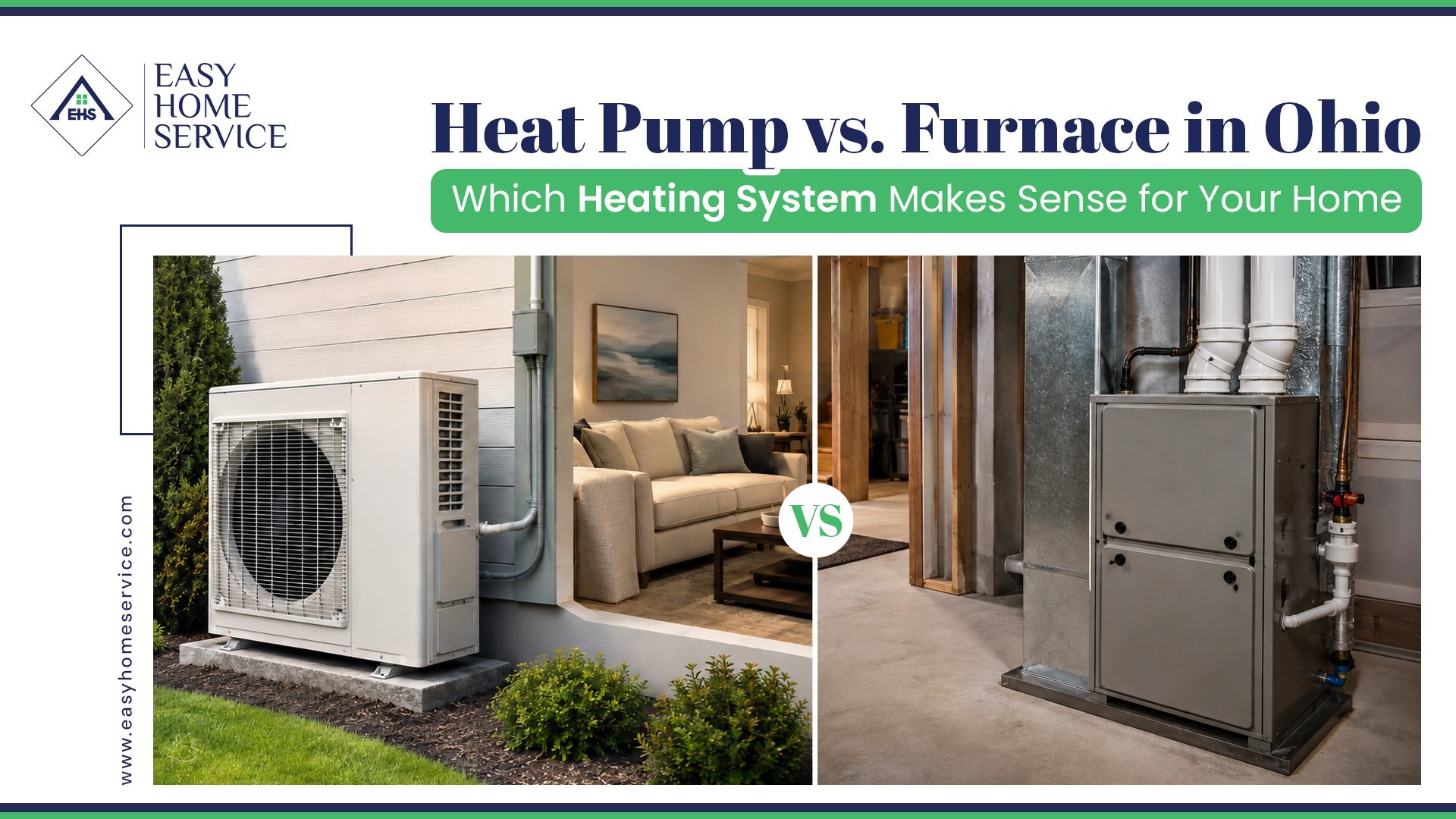
As Ohio's summer heat begins to fade and cooler evenings return to Columbus, Cincinnati, and surrounding communities, many homeowners start preparing their homes for the colder months ahead. Fall is one of the best times to evaluate your heating system because it gives you time to plan before freezing temperatures arrive and HVAC companies enter their busiest season.
If your system struggles to keep your house warm, requires frequent repairs, or results in unexpectedly high energy bills, it may be time to have it evaluated. Connecting with professionals who offer Ohio HVAC services can help you decide if repairing or replacing your system is a better long-term investment.
A frequent homeowner's questions is whether they should get the heat pump or furnace. It's not always easy to answer. The best heating system is contingent on factors like the insulation of your home, its energy source, your comfort needs budget, as well as how well the heating system performs in the cold winters of Ohio.
This guide compares heat pump or furnaces from a home owner's viewpoint, describing the areas where each one performs best and what it costs to operate and maintain and how to select the one that makes the most sense for your house before the cold winter months arrive.
This is the question almost every Ohio homeowner asks before they ask anything else, and it's a fair one. A furnace has never had to prove it can produce heat. A heat pump does, especially once temperatures drop into the teens and single digits, which Ohio sees every winter without fail.
The honest answer is that it depends on the equipment and the home, not on heat pumps as a category. Older heat pump models, the kind many homeowners remember from decades past, did lose a lot of capacity in extreme cold and often needed backup electric resistance heat just to get through the coldest nights. That history is a big part of why the "heat pumps don't work in cold climates" idea stuck around. Modern cold-climate heat pumps are a different product. Many current models maintain strong heating output down to 5°F or lower, and manufacturers have made real gains in heat pump efficiency over the past several years, largely by improving compressor technology that keeps working in conditions that would have stalled older units.
Even an efficient heat pump can develop problems after years of use. Changes in airflow, uneven heating, or rising energy bills often point to issues that shouldn't be ignored. Our heat pump repair guide explains the warning signs, common causes, and when it's time to have the system inspected.
It also matters where you reside in Ohio. In a snowbelt region south of Lake Erie, where prolonged severe cold is a typical January, a heat pump's task is more difficult than in Cincinnati, where winters are warmer and sub-zero spells are uncommon. Depending on where it is located in the state, the same equipment can function rather differently.
Do You Know?
Even when the outdoor air feels freezing, it still contains heat. A heat pump uses that heat to warm your home instead of creating heat by burning fuel. It works much like a refrigerator, but in reverse. Many modern heat pumps continue to operate in temperatures between -13°F and -22°F, making them a reliable heating option for most Ohio winters.
Ohio covers a lot of ground, from the lake-effect snowbelt near Cleveland to the milder river valleys around Cincinnati, and homes here span nearly a century of construction styles. That's why a blanket recommendation doesn't hold up. Before comparing equipment, it helps to look at what actually drives the decision:
Home age. Homes built before the 1980s often have different insulation standards, older electrical panels, and ductwork sized for a specific type of system.
Insulation quality. A well-insulated home holds heat efficiently, which favors a heat pump. A drafty, under-insulated home puts more strain on any system, especially one that isn't producing very hot air.
Existing ductwork. Both systems can typically use existing ducts, but the condition and layout of those ducts affects performance either way.
Utility availability. Whether your home already has a natural gas line matters a lot. Homes without gas service, or facing a costly hookup, often lean electric by default.
Family heating habits. A household that holds one steady temperature all day uses energy differently than one that lets the house cool down and then blasts heat when someone gets home.
Long-term ownership plans. Staying in the home for 15 years or more justifies a different investment than planning to sell in three to five.
Getting these fundamentals right starts with understanding what your heating and cooling services actually need to accomplish in your specific house, not just picking whichever equipment has the best marketing behind it.
The reverse is just as true. A furnace remains the more practical choice for a lot of Ohio homes, particularly:
Older homes with original construction. Homes that haven't been updated for energy efficiency often lose heat faster than a heat pump can comfortably replace it, so a furnace's higher heat output matters more.
Poorly insulated properties. If insulation upgrades aren't in the budget this year, a furnace can push through that heat loss more reliably than a heat pump working overtime.
Long stretches below freezing. Ohio's northern counties routinely see extended sub-freezing weather. Cold-climate heat pumps have closed a lot of that gap, but a furnace still doesn't lose capacity as temperatures drop.
Existing gas infrastructure. If natural gas is already run to the home and rates are favorable, a gas furnace is often the cheaper option to operate day to day.
Large family homes with high heating demand. Bigger homes, homes with several people running showers and appliances at once, or homes with a lot of exterior wall and window area, often need the higher raw heat output a furnace delivers.
Neither system is the correct answer on its own. A furnace in a well-insulated home can be overkill. A heat pump in a drafty farmhouse with an unheated basement can struggle. The match between the system and the house matters more than the model.
If a furnace is a suitable fit for your Ohio house, maintaining it is just as vital as selecting the right system. Clogged filters, broken thermostats, and ignition faults can all have an impact on the vehicle's performance over time. Before assuming you need a replacement, it's important to learn the most common reasons a furnace stops heating in Ohio and whether a repair will restore your home's comfort.
Efficiency ratings and feature lists look good on a spec sheet, but they don't tell you much about your actual house. A more useful way to think about heat pump vs. furnace Ohio's decision is to match the system to the situation it will actually be running in:
|
Home Situation |
Better Choice |
Why |
|
Newer, well-insulated home |
Heat Pump |
Lower operating costs |
|
Older, drafty home |
Furnace |
Delivers stronger heat during extended cold |
|
Home with natural gas already connected |
Furnace |
Lower heating cost in many areas |
|
All-electric home |
Heat Pump |
No gas connection required |
|
Family planning to stay long-term |
Depends |
Compare lifecycle costs over 10 to 15 years |
|
Rural area |
Depends |
Utility availability matters |
None of these are hard rules. A newer, well-insulated home with cheap gas rates might still make sense as a furnace. A rural home with no gas line but poor insulation might need a hybrid approach, like a heat pump paired with backup heat. What this table really shows is that the better system isn't fixed. It shifts based on your home's situation, which is why a walk-through from someone who can actually assess your ductwork, insulation, and utility setup matters more than any general ranking of one system over the other.
A heat pump may be the right choice for one Ohio home, while a furnace makes more sense for another. If you're planning a replacement before winter, compare your options with a local HVAC professional and choose a system that matches your home, comfort needs, and budget.
When comparing a heat pump and a furnace, most homeowners focus on the installation quote. While the upfront price is important, it's only one part of the total investment. Your heating system will affect your monthly energy bills, maintenance needs, repair costs, and even your home's value for the next 15 to 20 years.
Looking beyond the purchase price can help you choose a system that fits both your budget today and your long-term homeownership goals.
|
Cost Factor |
Heat Pump |
Furnace |
|
Equipment & Installation |
Usually higher upfront investment, especially for cold-climate models |
Often lower upfront cost if replacing an existing furnace |
|
Monthly Energy Costs |
Can be lower in well-insulated homes with moderate winter conditions |
Depends on natural gas prices and furnace efficiency |
|
Annual Maintenance |
Regular inspections, filter changes, and refrigerant system checks |
Annual heating inspection, burner cleaning, and filter replacement |
|
Repair Costs Over Time |
Components such as compressors can be expensive if repairs are needed |
Ignition systems, blowers, and heat exchangers may require repairs as the unit ages |
|
Filter Replacement |
Every 1–3 months depending on usage and indoor air quality |
Every 1–3 months depending on filter type and household conditions |
|
Expected Lifespan |
Around 10–15 years under normal use |
Around 15–20 years with regular maintenance |
|
Home Value & Buyer Appeal |
Attractive to buyers looking for energy-efficient homes |
Appeals to buyers familiar with natural gas heating in Ohio |
A lower heating bill per month isn't always a sign of lower total costs for ownership. A heat pump could lower the use of electricity in certain homes, however when your home has low insulation or large air leaks, these savings might not be as evident. In the same way, replacing an old furnace with a more efficient model can cut heating costs however, regular maintenance is vital to ensure it operates effectively each year.
A lot of heating issues start with maintenance tasks which are simple to overlook. Clean air filters or blocked vents, unreliable annual inspections and restricted airflow cause furnaces as well as heat pumps to perform more work than is necessary. As time passes, this extra stress can lead to a higher energy use and decrease the life of the system.
The cost of regular maintenance is usually more affordable than having to make an emergency repair in the middle of winter.
Installing a new heating system won't solve every comfort issue if other parts of your HVAC system are underperforming. Leaky ductwork, clogged air filters, poor airflow, or excess indoor humidity can reduce efficiency regardless of whether you choose a heat pump or a furnace.
If your home has persistent dust buildup, uneven temperatures, or poor airflow, it may also be worth evaluating your air duct system and indoor air quality before investing in new equipment. Addressing these issues at the same time can improve comfort, increase efficiency, and help your new heating system perform as intended.
Do You Know?
Homeowner Tip: Instead of asking, "Which heating system is cheaper?" ask, "Which system will cost me less to own over the next 15 years?" Factoring in installation, energy use, maintenance, repairs, and expected lifespan often leads to a smarter long-term decision than comparing upfront prices alone.
Even with good information available, a lot of Ohio homeowners end up with the wrong system for their house, and it usually comes down to one of a handful of avoidable mistakes.
Choosing based on the lowest upfront quote. The cheapest installation quote often isn't the cheapest system to own. A furnace with lower purchase price and installation cost can still lose to a heat pump on utility bills over a decade, or vice versa, depending on the home. Comparing quotes without comparing lifetime cost is how homeowners end up regretting the decision two winters later.
Skipping the insulation conversation. Choosing a heating system before addressing poor insulation or air leaks is backwards. Sealing and insulating first can shrink the home's heating load enough to change which system makes sense, and it usually costs less than oversizing a furnace or heat pump to compensate for a leaky house.
Assuming heat pumps can't handle Ohio winters. This is one of the most common and most outdated assumptions homeowners bring into the decision. It was true of older heat pump models decades ago, but modern cold-climate heat pumps perform very differently, and ruling one out on this basis alone can mean missing the system that would have actually saved money.
Getting the sizing wrong. An oversized furnace or heat pump cycles on and off too often, wearing out faster and heating unevenly. An undersized system runs constantly and still can't keep up on the coldest days. Proper sizing depends on a load calculation specific to the home, not a rule of thumb based on square footage alone, which is why heat pump installation Ohio homeowners trust usually starts with an in-home assessment rather than a phone quote.
Waiting until the system fails to start looking. Homeowners who wait for a breakdown lose the ability to compare options, wait for the best price, or schedule around contractor availability. What should be a planned decision turns into an emergency one, usually at a worse price and on a tighter timeline.
Avoiding these five mistakes comes down to the same theme running through this whole guide: treat this as a decision about your specific home, made with enough lead time to actually weigh the options.
How This Decision Gets Easier With the Right Local Match
Everything in this guide points to the same conclusion: the right system depends on your specific house, and the only way to know for sure is to have someone actually look at it. That's the part most homeowners get stuck on, not because the information isn't out there, but because finding a contractor who will give a straight, unbiased answer instead of pushing whatever they have in the truck can take hours of calling around and reading reviews.
This is where Easy Home Service fits in. Rather than pushing you toward one type of system, the goal is to match you with a trusted HVAC professional in your part of Ohio who evaluates your home's insulation, ductwork, and utility setup and tells you honestly which option fits, heat pump, furnace, or something else entirely. You get a real assessment based on your house, not a generic recommendation based on whatever's easiest to sell. That's the difference between guessing at this decision and actually getting it right the first time.
Taking control of your home’s heating system during the fall shoulder season ensures you receive better equipment availability, flexible installation scheduling, and peace of mind before winter emergency rates take effect.
Whether you need a seasonal pre-winter tune-up, an emergency repair, or a complete system replacement evaluation, working with a trusted local contractor ensures your system is properly sized for Ohio's harsh winters.
Ready to explore your options? Schedule a professional HVAC evaluation with Easy Home Service today and get a custom estimate for your home.
Whether you're replacing an aging furnace or considering a new heat pump, selecting the right system depends on your home's size, energy source, budget, and comfort needs. Easy Home Service can connect you with local HVAC professionals in Ohio who can assess your home and help you explore the best heating solution for your needs.
Find Top Rated Service Providers
We help you find top service providers and compare quotes.







Leave a Comment: