Your Go-To for Complete Home Solutions and Trusted Excellence
Your Go-To for Complete Home Solutions and Trusted Excellence
HVAC

By Ar. Daisy,
February 02, 2026


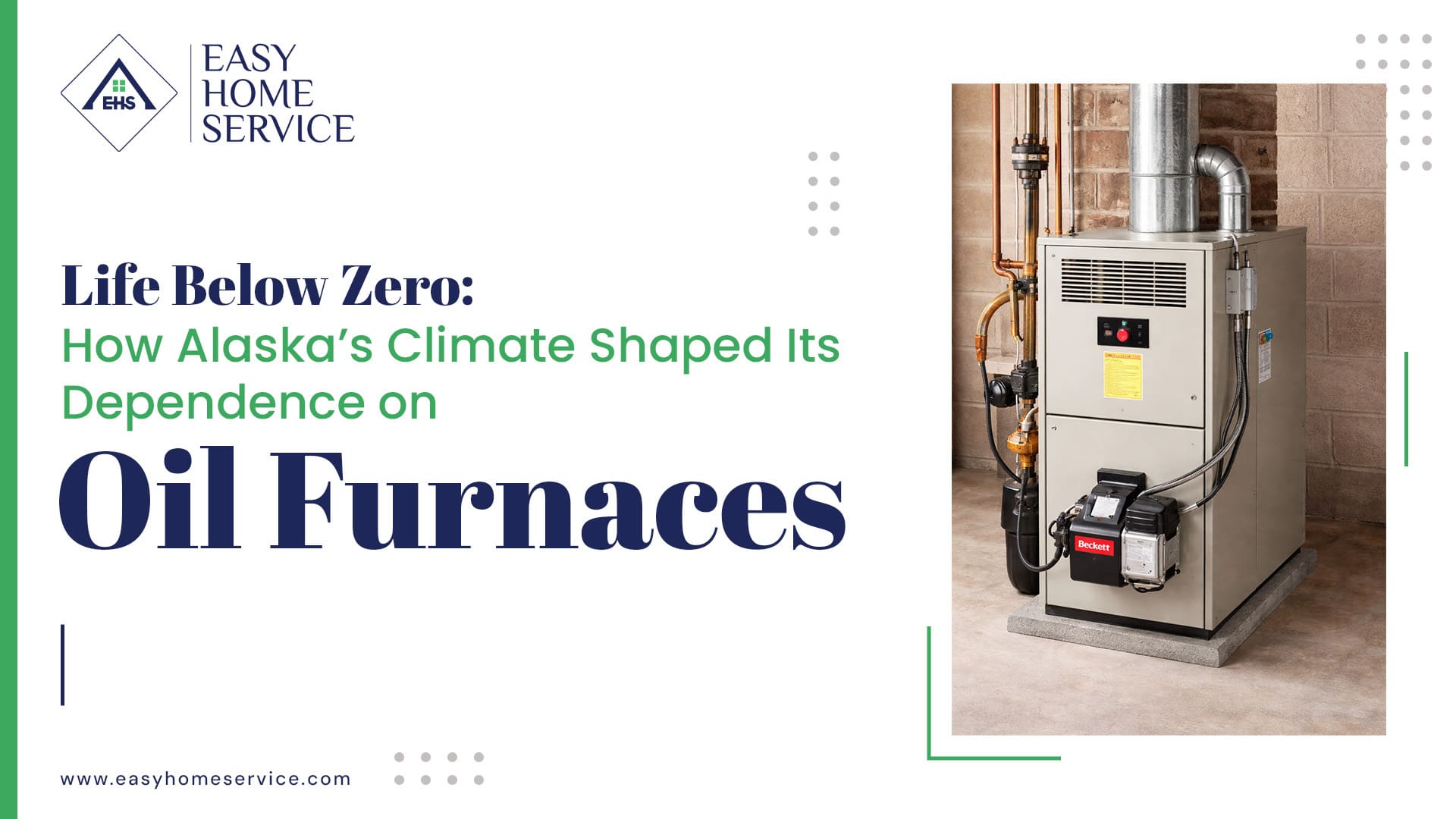
Alaska’s extreme climate has shaped nearly every aspect of residential heating- from fuel choice to furnace design. Since the temperature in winter often goes down way below zero and natural gas is not available in most areas, oil furnace heating has become the most dependable way for Alaskan homes to keep warm.
This blog guide explores why oil furnaces dominate Alaska, how they work in subzero conditions, essential oil furnace maintenance practices, common repair issues, replacement options, and whether modern alternatives like heat pumps can truly compete.
Alaska’s geography and climate are unlike those of most of the United States. Many towns are remote, road access is limited, and extending natural gas pipelines across frozen terrain is often impractical or cost-prohibitive. Therefore, heating oil has been and still is one of the most reliable energy sources for residential heating.
Oil furnaces perform exceptionally well in extremely cold climates because:
In regions where winter lasts six to eight months, reliability matters more than efficiency ratings alone. So, it is not surprising that oil furnace heating is the main source of heat in many Alaskan homes at present.
An oil furnace generates heat by burning heating oil inside a combustion chamber. The heat is transferred to air or water, then distributed throughout the home via ductwork or radiators.
In contrast to heat pumps, which gain heat from outside air, oil furnaces generate heat themselves; therefore are a perfect fit for cold Arctic climates.
Key components include:
Because these parts are exposed to heavy use during long winters, maintenance on oil furnaces is not optional- it’s essential.
Oil furnace maintenance is essential in colder regions, where heating systems operate for long periods and are subject to extreme stress. In places with harsh winters, even minor issues- such as a clogged filter, dirty burner, or improper fuel flow- can quickly escalate into system failure during the coldest days.
Regular maintenance of an oil furnace helps ensure efficient combustion, consistent heat output, and safe operation. Annual inspections and cleanings also allow technicians to identify wear or potential safety risks early, protecting both your home and your heating investment.
In cold climates, proactive oil furnace maintenance isn’t just about efficiency- it’s about reliability and comfort.
An oil furnace is an integral part of your home's heating system, especially in cold regions. Regular maintenance plays a significant role in keeping the furnace running efficiently and safely.
Typical oil furnace maintenance includes:
Skipping maintenance can lead to poor combustion, soot buildup, higher oil consumption, or sudden system failure during the coldest days of the year. In Alaska and other places where the weather is cold, a yearly tune-up is the bare minimum standard.
What is a furnace cleaning?
Oil furnace cleaning is a professional service that removes soot, debris, and residue from internal components. Because oil burns less cleanly than gas or electricity, the accumulation is inevitable over time.
How long does an oil furnace cleaning take?
An oil furnace cleaning service from a professional typically takes 60 to 90 minutes, depending on how old the system is and its overall condition.
Oil furnace cleaning cost
The average price of an oil furnace cleaning service can vary between $150 and $300, depending on the location, the size of the furnace, and how accessible it is. The locals may face higher service charges in the remote areas due to the travel time.
Do You Know?
A dirty oil furnace can lose up to 10% efficiency, meaning you burn more fuel for less heat- something no homeowner wants during an Alaskan winter.
Extreme cold places added stress on oil heating systems. The most frequent oil furnace repair issues include:
Across cold-weather regions, restricted fuel flow caused by dirty filters or gelled oil is one of the most common causes of furnace failure.
If you’re searching for oil furnace repair near me, it often means the system failed when it was needed most—during peak winter demand.
Most oil furnaces last 20–25 years with proper maintenance. However, efficiency declines over time, and replacement may be more cost-effective than repeated repairs.
Modern oil furnace replacement options include:
Get expert advice on oil furnace replacement options and long-term heating strategies.
The oil furnace vs heat pump debate has grown as heat pump technology improves. Heat pumps are very efficient in mild climates, but their capacity to function properly decreases considerably in very cold weather.
Oil Furnace Advantages in Alaska:
Heat Pump Limitations:
For many Alaskan homes, oil furnaces remain the most dependable primary heating source, sometimes supplemented by electric or heat pump systems.
Residential heating oil tanks store fuel onsite, providing energy security during long winters. Proper inspection and maintenance are essential to prevent leaks, corrosion, and environmental risks.
Best practices include:
Easy Home Service is a reputable platform that connects homeowners with skilled and reliable local HVAC professionals who are knowledgeable and experienced with oil furnace systems that are ideal for cold climates.
We help with:
Our goal is to remove the guesswork and help you find reliable experts who understand your climate, fuel type, and heating needs.
Easy Home Service connects you with experienced professionals who know cold-weather heating systems inside and out.
Life below zero demands heating systems that won’t fail when temperatures plummet. Alaska’s reliance on oil furnace heating is rooted in geography, infrastructure, and proven performance. With proper oil furnace maintenance, timely cleaning, and smart replacement planning, homeowners can stay warm, safe, and efficient- even in the harshest conditions.
When you are ready to service, repair, or replace your oil furnace, Easy Home Service is here to help you connect with HVAC professionals in Alaska that you can trust.
Annual cleaning, filter replacement, burner inspection, and combustion testing are essential to keep an oil furnace running safely and efficiently.
Common issues include clogged filters, frozen fuel lines, ignition failures, soot buildup, and problems with the burner or nozzle.
A furnace cleaning is a professional service that removes soot, dust, and debris from burners, heat exchangers, flues, and filters to improve efficiency and safety.
Most oil furnace cleanings take about 1 to 1.5 hours, depending on the system size and level of buildup.
High-efficiency oil furnaces or hybrid systems (oil + heat pump) work best in extreme cold climates and offer better fuel savings.
An oil furnace typically lasts 20–25 years with proper maintenance. Replacement is recommended when efficiency drops or repair costs rise.
Suggested Reads
Find Top Rated Service Providers
We help you find top service providers and compare quotes.










Leave a Comment: