Your Go-To for Complete Home Solutions and Trusted Excellence
Your Go-To for Complete Home Solutions and Trusted Excellence
Plumbing

By Ar. Daisy,
June 24, 2026


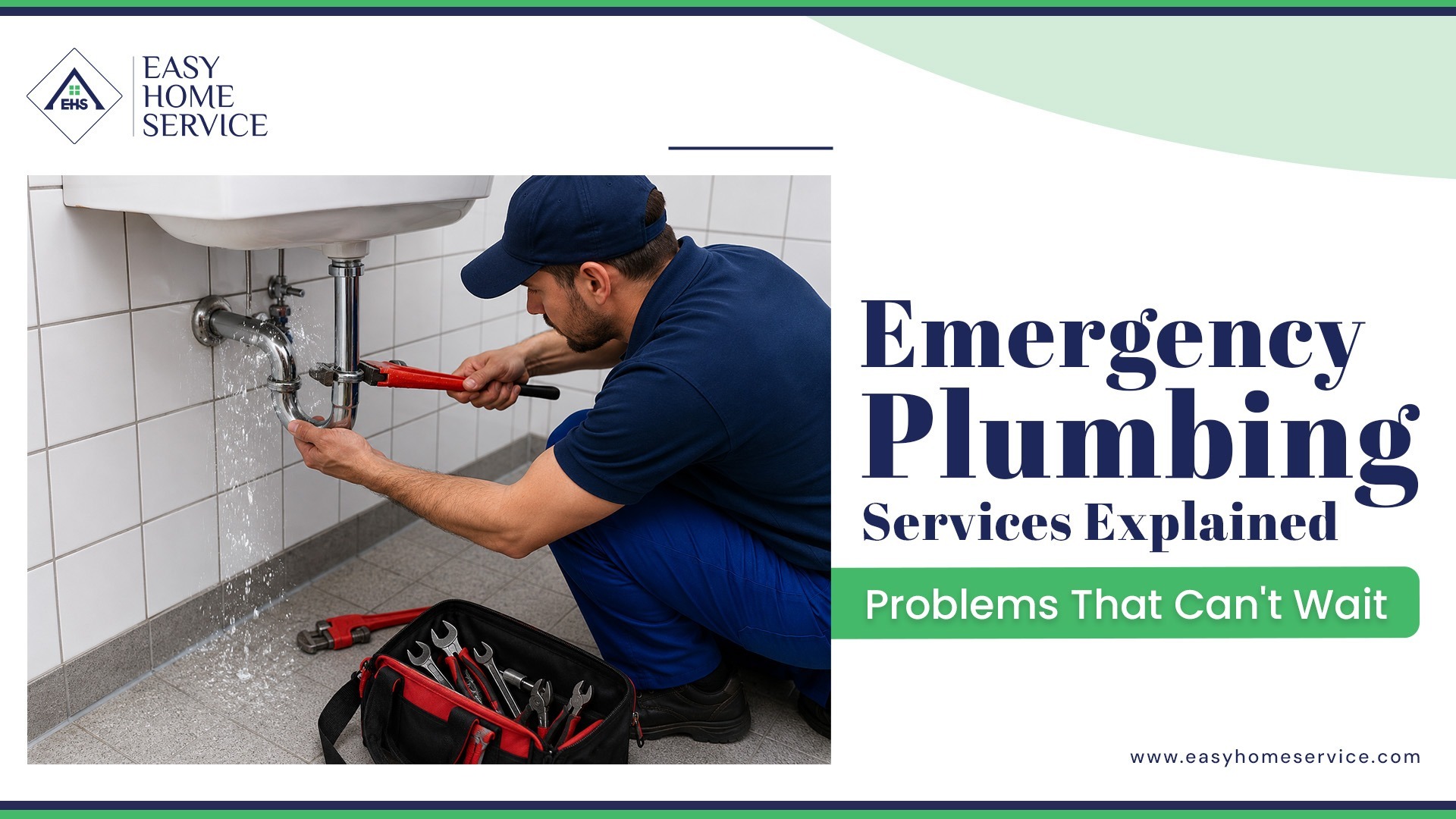
Plumbing issues often show early signs, like a slow drain or a dripping faucet, but some emergencies arise unexpectedly, demanding immediate attention to prevent costly damage. This guide outlines the most severe plumbing emergencies that homeowners face, along with the necessary responses.
Emergency plumbing services are specifically made to deal with situations in which waiting is just not an option.
Understanding what counts as an actual plumbing emergency and how to handle it can help you avoid costly water damage and repairs, whether it's a leaking pipe in your basement, a toilet overflowing your bathroom or a water heater that has unexpectedly failed.
This guide discusses the most serious plumbing problems that American households face, their causes, and how to intervene before the situation gets out of control.
Many homeowners may not know exactly what constitutes an emergency when it comes to their plumbing; in general, any issue that causes water damage, sewage backup or poses any safety risk should be treated as urgent.
Here's what typically constitutes such an incident:
1. Burst Pipes: Pipes that have cracked or burst and are actively spraying water or causing flooding.
2. Sewage Backups: Wastewater backing up through sinks, showers, tubs, or floor drains.
3. Water Heater Failures: A leaking water heater or a complete loss of hot water due to system failure.
4. Major Water Leaks: Significant leaks coming from walls, ceilings, crawl spaces, or beneath the foundation slab.
5. Overflowing Toilets: A toilet that continues overflowing and cannot be stopped using normal methods.
If any of these sound familiar, you're not dealing with something that can wait until Monday morning.
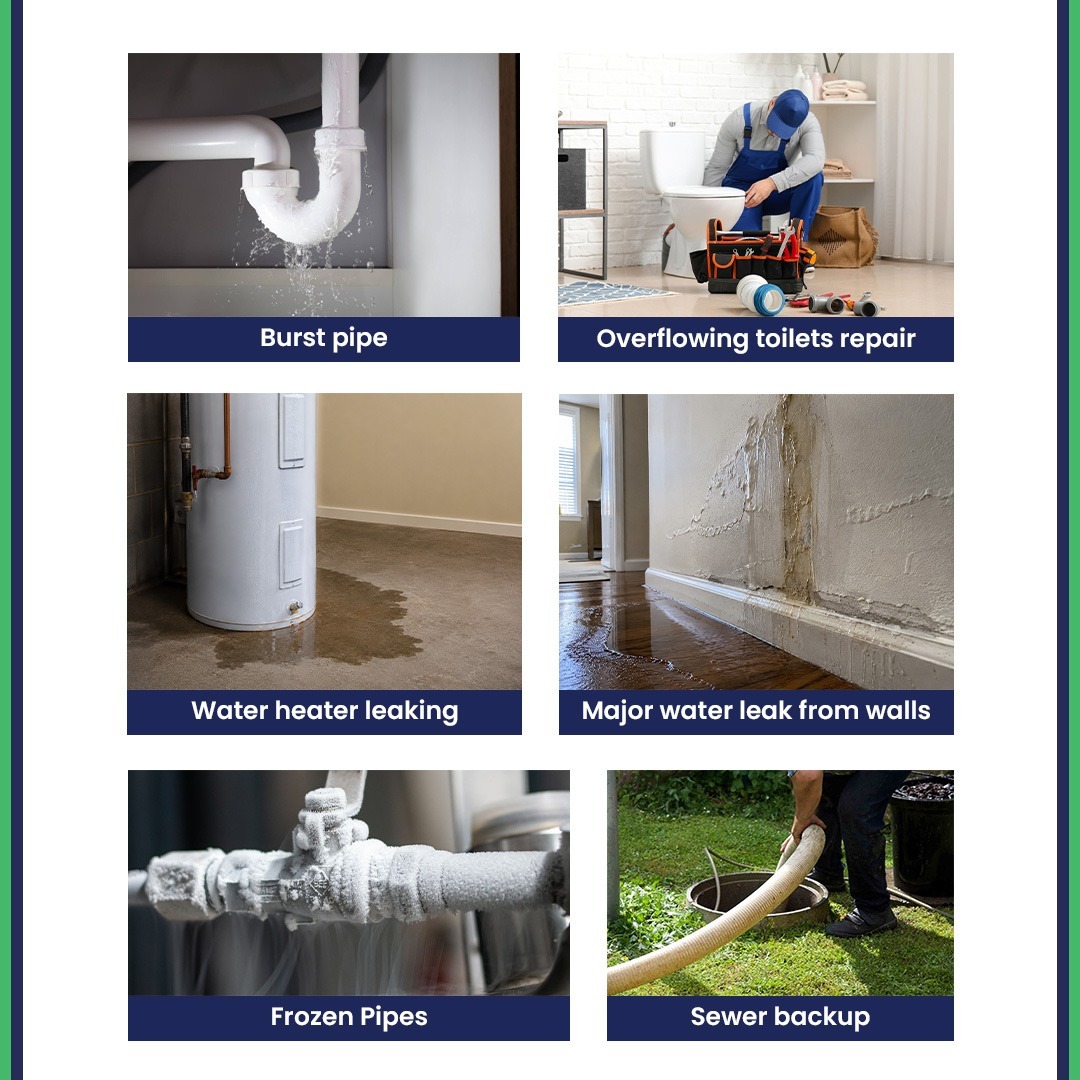
Among all residential plumbing emergencies, a burst pipe is one of the most destructive and time-sensitive. A single burst pipe can release hundreds of gallons of water in just one hour, soaking insulation, warping hardwood floors, damaging drywall, and creating ideal conditions for mould growth within 24 to 48 hours.
One of the most frequent calls plumbers receive in the winter is for frozen pipe burst repair, particularly in regions where unexpectedly low temperatures occur. A pipe's water expands when it freezes. When the pipe can no longer withstand the pressure, it gives quickly.
But cold weather isn't the only cause. Pipes also burst due to:
1. Corrosion in older galvanized or cast-iron lines
2. High water pressure that exceeds safe operating levels
3. Physical damage from construction, pests, or shifting foundations
4. Tree root intrusion into underground lines
If a pipe bursts in your home, shut off the main water supply valve immediately. This is usually located near the water meter or where the main line enters your house. Then turn on a faucet to relieve pressure from the remaining water in the lines. Move valuables away from the affected area and document the damage with photos for your insurance claim.
After that, call for burst pipe repair right away. This is not a DIY situation. A water pipe leak emergency of this scale requires professional tools to locate the break, assess the extent of damage, and make a repair that holds long-term.
A sewer backup isn't just unpleasant; it's a genuine health hazard. When sewage reverses course and starts coming up through your drains, toilets, or floor drains, you're dealing with a situation that exposes your household to harmful bacteria and pathogens.
Sewer line backup happens for a variety of reasons, and understanding them helps explain why this isn't something that resolves itself:
1. Grease and debris buildup that accumulates over the years of use
2. Tree roots working their way into underground sewer lines, which is more common than most homeowners expect
3. Flushing non-flushable items like wipes, cotton balls, or paper towels
4. Collapsed or cracked sewer lines in older homes
5. City sewer system surges during heavy rainstorms
Multiple slow drains happening at the same time is a major red flag. So is a gurgling sound from your toilet when you run the sink or water backing up in the tub when you flush it. These are signs the blockage is in the main line, not just a single fixture.
Emergency sewer repair should be called the moment you see sewage coming up from any drain. Don't run water or flush toilets in the meantime; it will make the backup worse. Ventilate the area and keep children and pets away from affected areas. Sewage cleanup services will likely be needed alongside plumbing repair specialists if the backup is significant.
Homeowners looking for sewage backup repair can connect with our plumbing professionals in New York or plumbing experts in Ohio for immediate assistance.
Everyday life is suddenly disrupted when a water heater breaks down; there are no hot showers or hot water for laundry or dishes. However, it gets considerably more serious when a water heater begins to leak in addition to simply ceasing to function.
Emergency water heater repair becomes necessary when:
1. The tank is actively leaking water onto the floor or into a nearby wall
2. You smell rotten eggs or sulfur, which can indicate a gas leak in gas-powered units
3. The temperature and pressure relief (T&P) valve is releasing steam or water
4. The unit is making loud popping, banging, or rumbling sounds
5. There's rust-colored water coming from hot water taps
A water heater that leaks from the tank itself, rather than a fitting or pipe, usually indicates that the tank has corroded from the inside. This is not a repair; it is a replacement problem. And if the leak is severe, addressing it fast protects your floor, subfloor, and everything stored nearby.
No hot water emergency situations are especially stressful in cold climates or households with young children or elderly family members. A water heater repair call to a professional gets you an honest assessment of whether repair or replacement is the right move and how soon it needs to happen.
Not every serious leak announces itself with a gush of water. Some of the most damaging leaks are slow, hidden, and working silently inside walls, under floors, or below the concrete slab of your foundation.
If your water bill has spiked for no obvious reason, you notice damp spots on walls or ceilings, you hear water running when everything is turned off, or you spot cracks in your foundation, these are signs you may have a hidden leak that warrants emergency leak detection.
A slab leak happens when a pipe running under the concrete foundation of your home develops a crack or leak. The water has nowhere to go; it saturates the soil, erodes the ground beneath the slab, and eventually causes structural damage that's far more expensive to fix than the plumbing repair would have been.
Slab leak repair requires specialized equipment, typically electronic listening devices or thermal imaging, to pinpoint the leak without tearing up the entire floor. This is why calling a professional for leak detection service matters so much in these situations. Guessing where a slab leak is and starting to jackhammer the wrong area costs time and money you don't need to spend.
Water damage prevention is always less expensive than water damage restoration. The EPA estimates household leaks waste nearly 10,000 gallons per year on average, and that's for minor leaks most homeowners don't even notice. A major hidden leak does more damage in a shorter period.
Think you have a hidden leak or serious water issue?
Emergency plumbing issues can happen at any time. Whether you're dealing with a burst pipe, sewer backup, or major leak, homeowners searching for reliable plumbing services in New York or Ohio can find local professionals through Easy Home Service.
Most people know the frustration of a slow drain. But there's a difference between a slow drain and a drain emergency. A clogged toilet emergency, particularly one that is actively leaking, must be addressed immediately. The same goes for a main drain blockage that's affecting multiple fixtures simultaneously.
An overflowing toilet repair call becomes necessary when the toilet won't stop running or the bowl continues to fill past the rim. If this happens, shut off the water supply valve at the base of the toilet immediately. It's usually a small oval or round valve on the wall behind the toilet. Turn it clockwise to stop the flow of water.
After that, don't keep flushing. It's tempting to try to force a clog through, but with a toilet that's already overflowing, additional flushing just adds more water to an already overwhelmed bowl.
Emergency drain cleaning is sometimes more than just a drain snake and a bottle of Drano. Recurring clogs, drains that back up in multiple fixtures, or slow drainage throughout the entire home suggest a blockage deep in the main line, not something a plunger or household product will fix.
A professional drain cleaning service uses hydro-jetting or professional-grade snake equipment to clear blockages completely, not just partially. The difference matters because a partially cleared main drain blockage will just come back, often within weeks.
Frozen pipe repair becomes urgent the moment temperatures drop and water stops flowing from your taps. If you turn on a faucet in the morning and only a trickle, or no water at all, comes out, there's a good chance a pipe has frozen.
The immediate danger isn't just the frozen pipe itself. It's what happens when it thaws. Frozen pipes often crack or split under the pressure of expanding ice, and the moment the ice melts, water flows freely through those cracks into your walls, floors, or ceiling.
1. No water flow or very low pressure from a specific faucet
2. Frost visible on exposed pipes in unheated areas (basements, attics, crawl spaces, garages)
3. Unusual sounds, such as banging or clanking, when you turn on a faucet
If you suspect a frozen pipe, leave the faucet open slightly to allow water to flow once it thaws. Never use an open flame to thaw a pipe. A hair dryer on low heat can work for accessible pipes, but if the frozen section is inside a wall or in a hard-to-reach area, call for professional help. Frozen pipe burst repair after the fact is significantly more expensive and disruptive than having the pipe safely thawed by a professional.
A slow drain, a faint leak under the sink, water pressure that just doesn't feel right – these small signs have a way of turning into bigger problems when ignored. If something in your home has been bothering you, this is a good time to get a professional opinion before it becomes an emergency. A quick quote costs nothing, and the peace of mind is worth it.
When a pipe bursts or a drain clogs, the stress of finding a reliable plumber fast can make things even worse. That's where Easy Home Service steps in. We connect you with skilled plumbers who don't just fix the issue; they also figure out why it happened in the first place.
Our plumbers handle everything: burst pipes, blocked drains, water heater problems, and leaks hiding inside your walls. They arrive, walk you through what's wrong, and fix it properly so it doesn't come back. When water damage is involved, every minute counts and having the right person there quickly can save you from a small repair turning into a very expensive one.
How Our Plumbing Experts Can Help
1. Quickly diagnose what went wrong and where
2. Repair burst or leaking pipes before the damage spreads
3. Clear sewer line backups and drainage problems
4. Handle overflowing toilets and blocked drains
5. Repair or replace water heaters
6. Locate hidden leaks using professional detection equipment
7. Offer practical tips to help you avoid similar issues down the road
Plumbing problems don't wait for a good time to show up. Having access to skilled professionals means you're never left dealing with it alone. Easy Home Service makes it simple to find a trusted plumber in your area so you can get back to normal as quickly as possible.
It depends. A single clogged toilet that you can take out of service while you use another bathroom is not necessarily an emergency. But an overflowing toilet, a toilet with raw sewage backing up into it, or a home with only one toilet that's completely blocked, those situations warrant an emergency call. Emergency plumbing solutions for homeowners exist precisely for these circumstances. Plumbing emergencies don't wait for a convenient time, and neither should you. If you're dealing with a burst pipe, sewer backup, water heater failure, or any serious plumbing situation, Easy Home Service is ready to help. Don't let a manageable problem become a major disaster. Contact us now and get the help you need, fast.
Not every drip warrants a panic call, but far too many homeowners wait too long when they're facing a genuine plumbing emergency. The common thread in every scenario covered here, including burst pipes, sewer backups, water heater failures, hidden leaks, and frozen pipes, is that time matters. Every hour of delay increases the damage, the cleanup cost, and the complexity of the repair.
Understanding what qualifies as an emergency and knowing the first steps to take (shut off the water, avoid flushing, document the damage) puts you in a better position before the plumber arrives. But the most important step is still making that call.
Emergency plumbing services exist because some problems simply can't wait, and the right team can make the difference between a single repair and a months-long restoration project. If you're facing one of these situations right now, Easy Home Service is here to help you get it handled the right way.
If you've made it to the end of this guide, chances are something is already going on at home. Whether it's a burst pipe flooding your basement, a sewer backup making your bathroom unusable, or a water heater that gave out overnight, every hour you hold off makes the repair bigger and the bill heavier. Our network of vetted plumbing technicians is ready to step in, assess the situation honestly, and fix it properly the first time. Don't let a manageable problem turn into a full-scale restoration project.
The most common plumbing emergencies homeowners face include burst pipes, sewer line backups, overflowing toilets, water heater failures, major water leaks (including slab leaks), and frozen pipes. These situations share one thing: they require prompt attention because they cause active damage or pose health and safety risks.
Yes, absolutely. A burst pipe is not a situation for DIY repair beyond shutting off your main water supply to stop the immediate flow. A professional needs to properly identify the break, assess surrounding damage, and make a repair that meets code and holds long-term. Attempting a temporary patch on a burst pipe often leads to a second failure and additional water damage.
Emergency plumbing costs vary depending on the type of problem, the time of day, and the extent of repairs needed. After-hours and weekend calls typically carry a higher service fee than standard business hours. The cost of affordable emergency plumbing services is almost always less than the cost of water damage restoration, structural repairs, or mould remediation that results from delaying the call.
Yes. A plumber is exactly who you call for sewer backup repair. Depending on the cause, they may use a drain snake, hydro-jetting, or camera inspection to identify and clear the blockage. If the issue is a damaged or collapsed line, more extensive repair may be needed, but a professional assessment will tell you what you're dealing with.
Call a plumber straight away. If it's a minor leak, try turning off the supply valve closest to the problem, usually found under sinks or behind toilets, to slow things down while you wait. If the leak is major or a pipe has burst, shut off your home's main water supply immediately and don't wait. A 24-hour plumber exists for exactly this reason because water damage doesn't wait for business hours, and neither should you.
It depends. A single clogged toilet that you can take out of service while you use another bathroom is not necessarily an emergency. But an overflowing toilet, a toilet with raw sewage backing up into it, or a home with only one toilet that's completely blocked warrant an emergency call. Emergency plumbing solutions for homeowners exist precisely for these circumstances. Plumbing emergencies don't wait for a convenient time, and neither should you. If you're dealing with a burst pipe, sewer backup, water heater failure, or any serious plumbing situation, Easy Home Service is ready to help. Don't let a manageable problem become a major disaster. Contact us now and get the help you need, fast.
Find Top Rated Service Providers
We help you find top service providers and compare quotes.






Leave a Comment: